Can You Adopt a Purebred Cat? Yes, Here’s How
Adopt, don’t shop. Yes, even for purebred cats.
Adopt, don’t shop. Yes, even for purebred cats.
by Katie Koschalk, | November 21, 2025

yolya_ilyasova / Adobe Stock
Many people assume the only way to get a purebred cat is by buying one from a breeder, but that’s not the case. Each year, countless purebred cats find themselves in shelters and rescues, at no fault of their own.
So, whether you’re looking for a luxurious Persian or an affectionate Ragdoll, adopting the purebred kitty of your dreams is possible — no breeder necessary. Even better? Choosing to adopt a cat rather than buying one gives a cat in need a second chance and helps free up space in overcrowded shelters for others still waiting.
Read on to learn how to adopt a purebred cat, where to look, what to expect, and how to prepare.
When you buy a cat from a pet store or a breeder that mass-produces animals, you may be supporting what’s known as a pet mill. These inhumane, factory-like operations treat animals more like inventory than living beings. Cats are bred over and over in crowded, unsanitary conditions, often without proper veterinary care, enrichment, or even basic kindness. The goal isn’t healthy, well-socialized kittens — it’s pumping out as many litters as possible for maximum profit.
But what about buying from a “responsible” breeder? It’s true that some breeders prioritize animal health and ethical practices. Still, even in the best circumstances, breeding adds more kittens to a world already overflowing with cats in need. Each year, hundreds of thousands of adoptable cats are euthanized simply because shelters are too full. Every kitten purchased from a breeder takes a home away from those cats waiting for a second chance.
Grigory Bruev / AdobeStock
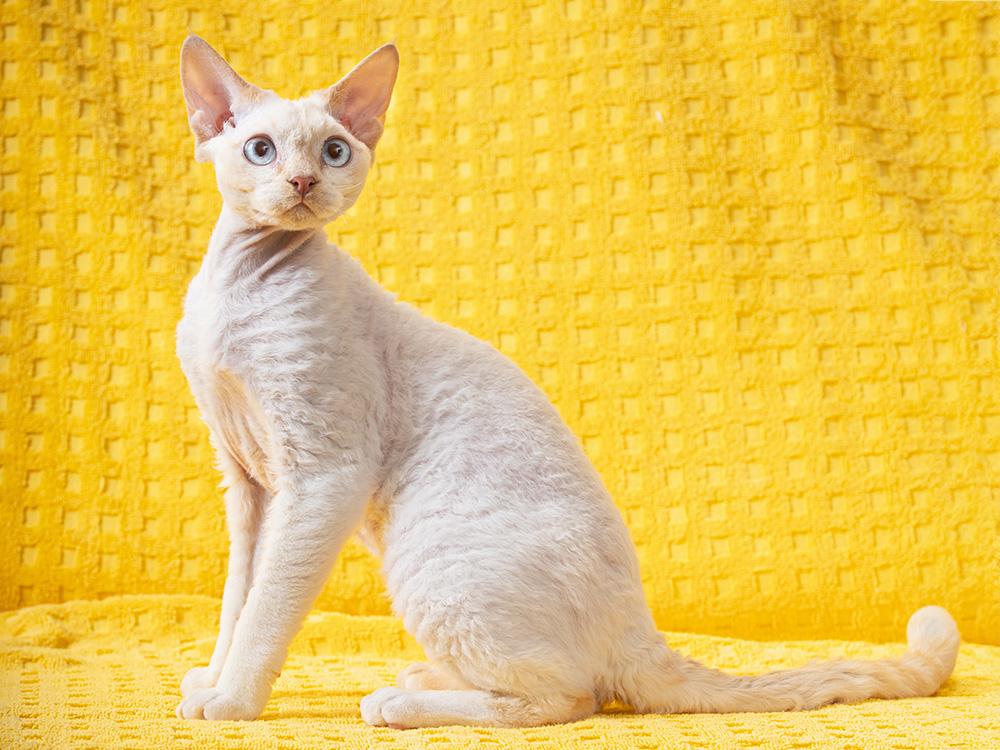
If your heart is set on a specific cat breed, you can likely find the cat you’re looking for from a breed-specific rescue, shelter, or individual looking to rehome their cat.
Believe it or not, purebred cats sometimes end up in shelters. They may be surrendered by people who can no longer care for them or rescued from neglectful situations.
Shelters often post the cats they have available on their websites. You can also let your local shelter know which breed you’re hoping to adopt — they may have a waitlist, or they might contact you if a matching cat comes in. Keep checking back, because shelter populations change constantly.
Adopting from a shelter is very impactful, because many are overcrowded and stretched thin on resources. When you adopt from a shelter, you’re giving a cat in need a loving home (and possibly saving their life), and creating room for another cat to be rescued and cared for.
There are many rescue organizations that focus exclusively on one breed of cat. These groups typically have extensive knowledge about the breed’s health and behavior needs. Their cats often live in foster homes rather than in kennels, which gives them a chance to relax, socialize, and better show their true personalities.
The following are examples of purebred cat rescues across the U.S.
With Adopt a Pet, you can search for your ideal cat by filtering by breed, age, location, and more. The platform pulls listings from shelters, rescue groups, and individuals nationwide, giving you access to a much broader selection than you might find locally.
Adopt a Pet also lets you set up alerts for specific cat breeds, so you’ll get a notification as soon as a new cat matching your criteria is posted.
Sometimes the best leads come through word of mouth. Join breed-specific Facebook groups, local animal-rescue forums, or cat-lover subreddits. You might come across someone rehoming a purebred cat or connect with rescuers who know where to look. The more plugged in you are, the better your chances of hearing about available cats.
Adopting a purebred cat through a rescue or shelter can take time. It might be weeks or months before your ideal match comes along (though it sometimes happens much faster).
Keeping an open mind about breed mixes, lookalikes, or any cat who steals your heart can expand your options. You might end up falling for a cat you didn’t expect, but who turns out to be just right for you.

Michela Ravasio / Stocksy
Once you’ve found a cat who feels like a potential match, it’s time to start the adoption process. Although steps can vary slightly depending on the shelter, rescue, or individual, here’s what you can typically expect.
Reputable rescues and shelters always require an adoption application. This helps them learn about your home environment, lifestyle, and experience with pets to gauge if you and the cat are a good fit. Answer the questions honestly, because they’re designed to set everyone up for success.
After reviewing your application, the organization may follow up with a phone interview, request references, or schedule a home visit (either virtual or in-person). Don’t be intimidated — they just want to be sure the cat is going to a safe and stable home.

Are you finalizing a new pet’s adoption? Learn everything you need to know about pet adoption paperwork.
If your application is approved, you’ll get a chance to meet the cat in person, if you haven’t already. While some cats open up right away, don’t be discouraged if the cat seems shy or standoffish. Many cats take time to warm up to new people and environments. The foster’s insights into the cat’s personality and behavior at home will give you a much better sense of what they’re really like.
Most rescues and shelters charge an adoption fee to help cover the costs of veterinary care, spaying or neutering, vaccinations, microchipping, and other related expenses.
This fee is far less than what you’d pay to a breeder, and it supports the rescue or shelter’s ongoing work. Rescues and shelters may occasionally waive adoption fees, especially during periods of overcrowding, for senior cats, or when a cat has been waiting a long time to find a home.
Reputable individuals rehoming their cats may also charge a small rehoming fee. This is not to make a profit, but to increase the chances that the cat goes to a responsible, committed home. Unfortunately, free-to-a-good-home listings can attract people with harmful intentions, so a modest fee acts as a basic safeguard.
Once everything is approved and finalized, it’s time for the best part: bringing your new cat home. Before they arrive, prepare your space with essentials, including food, bowls for food and water, a litter box and litter, a carrier, toys, a cozy bed, a scratching post, and a quiet, cat-proofed room or area where they can decompress and adjust at their own pace.
Check local shelters, breed-specific rescues, and pet adoption websites, such as Adopt a Pet. Use breed filters and sign up for alerts to be notified when a match becomes available.
Yes, purebred cats are sometimes surrendered for reasons such as lifestyle changes, medical issues, or the passing of a pet parent. As with mixed-breed cats, they can be found in shelters and rescues across the country.
Adoption fees for purebred cats may be slightly higher than those for mixed breeds. This helps discourage people from seeking the breed purely due to popularity, supports the rescue’s work, and demonstrates that the adopter is prepared for the potentially higher veterinary costs some purebred cats may require.
Adopting a purebred cat depends on availability and the rescue or shelter’s process. It generally takes a few weeks to a few months to find the right match.
Adoption is the better, more compassionate choice. It gives a homeless cat a second chance, helps ease shelter overcrowding, and reduces demand for unethical or profit-driven breeding.
ASPCA. “U.S. Animal Shelter Statistics.” ASPCA, 2024, www.aspca.org/helping-shelters-people-pets/us-animal-shelter-statistics.
“Selecting a Pet Cat.” American Veterinary Medical Association, www.avma.org/resources/pet-owners/petcare/selecting-pet-cat.
“You’ve Heard about Puppy Mills... But What about Kitten Factories?” Animals Australia, animalsaustralia.org/our-work/companion-animals/kitten-factories.

Katie Koschalk is a freelance writer based in Northern California. Fusing her love and knowledge of animals with her journalism degree and years of professional writing, Katie is dedicated to improving the lives of pets and their caretakers by sharing helpful and accurate information. When she’s not at her desk, you can find her exploring trails with her Aussie, Hunter, cooking plant-based meals, and talking to her two cats, Jax and Sadie, in really ridiculous voices.

Breed Info

Breed Info

Breed Info
Adoption Advice
You’re ready to adopt a feline, but is a short- or long-hair the way to go? We weigh the pros and cons.

Breed Info
Why does your cat’s fur have a unique color pattern? We have answers.
Adoption Advice
Here’s a primer on the cultural history of black cats, why they look the way they do, and how to celebrate Black Cat Awareness Month.

Behavior & Training
If you’re patient and know what to expect in the first 30 days, you and your cat will get along just fine.

Adoption Advice
Before bringing home a new kitty, make sure you understand everything from navigating lease restrictions to keeping your neighbors happy.

Breed Info
Thinking about adopting a cat of this breed? Here are several reasons why that’s a terrific idea.