Why Do Dogs Lick Everything?
Licking can indicate anything from affection to anxiety to things just tasting good. Here’s what it may mean for your dog, plus tips on how to lessen the behavior.
Licking can indicate anything from affection to anxiety to things just tasting good. Here’s what it may mean for your dog, plus tips on how to lessen the behavior.
by Daniela Lopez, expert review by Mia Nguyen, CPDT-KA, FFCP | September 20, 2025
MarioGuti / iStock
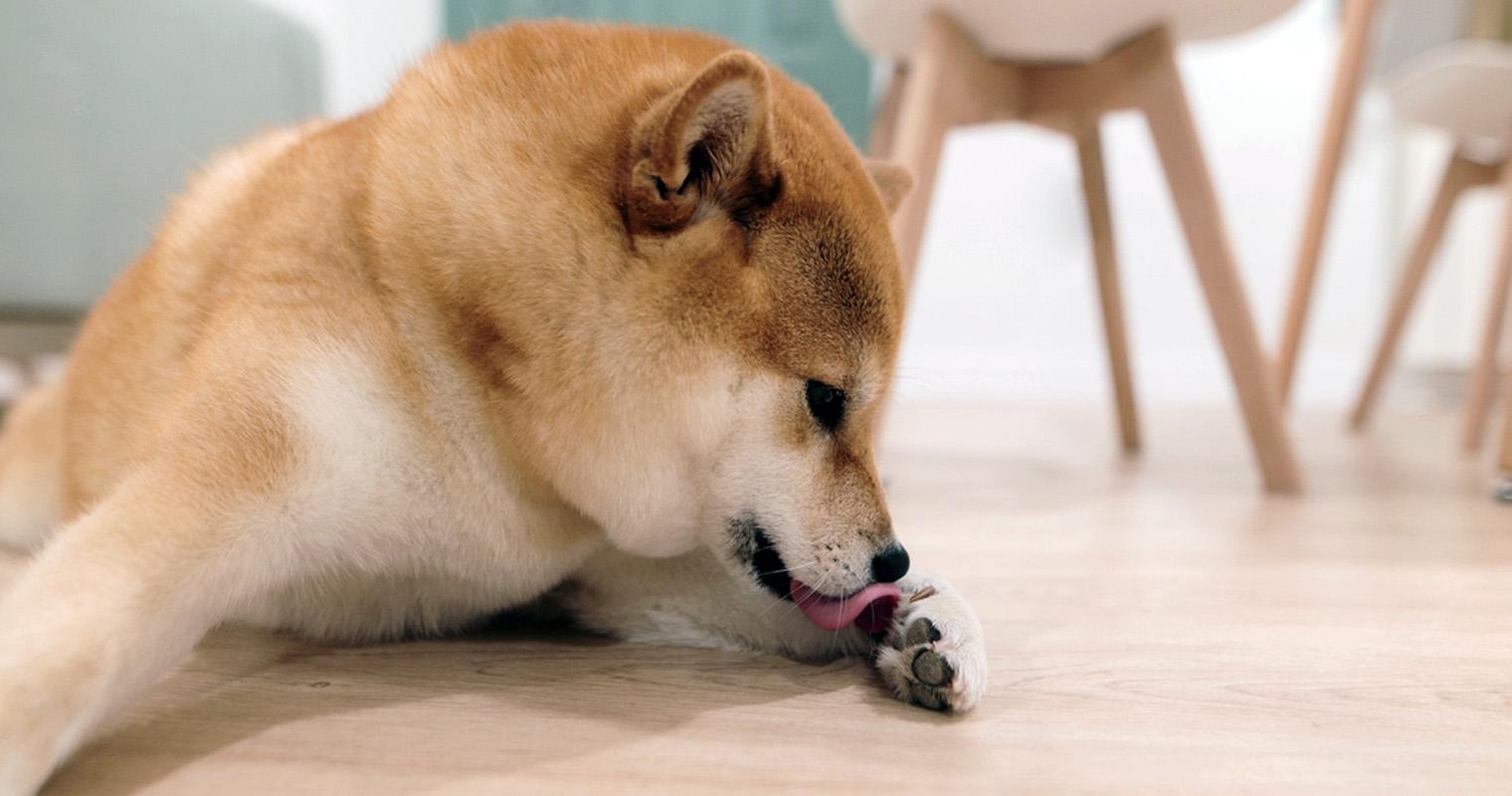
When your dog starts licking everything (think: the floors, the walls, the couch, your jeans, the carpet), this might be something worth looking into. Licking can be a sign that your dog is struggling. So if you are noticing increased licking or if the behavior starts happening suddenly, it may be time for a vet visit.
If your dog is licking everything, and your vet has ruled out fleas, allergies, or other medical causes, it’s important to understand why they’re licking before telling them “no.”
Some dogs lick out of habit, when they are anxious, or in the case of licking their pet parents, out of affection. Here are 10 reasons why dogs lick everything in sight.
Licking is one of the most common ways dogs show affection, so dogs will often lick to bond and provide comfort. If your dog is licking you, consider it a huge compliment — you might just be their favorite person.
Although annoying, licking can be a signal that something deeper is going on. Many dogs lick excessively when they’re anxious, and some researchers think excessive licking might be tied to obsessive-compulsive tendencies. Compulsive tendencies, such as excessive licking, can be a coping mechanism to deal with stress or uncertainty.
If you find that your dog is licking you, your guests, or their clothes, they might be trying to show appeasement. Dogs use these calming signals with other dogs (and people) to reduce stress or tension and keep things friendly. Consider changing your behavior or stopping what you are doing to address your dog’s stress or anxiety if they are showing signs of appeasement licking.

Sure, they like you. But there are many other reasons why, too.
Dogs, especially puppies, are curious about their environments, so it’s natural for them to check things out using one of their many senses. They might lick something because they like the flavor or to determine if it’s something worth chewing. You can try redirecting this behavior to a licking mat, which will keep them busy.
Dogs need plenty of mental and physical stimulation to thrive. But if they’re missing out on crucial needs, they might seek the comfort of licking different objects (or themselves). Providing them with more exercise in addition to toys, puzzles, and training sessions can keep boredom at bay.
Licking is a natural grooming behavior for dogs. They might lick their paws, legs, or even attempt to groom you. Licking to groom is generally harmless. However, it may get concerning if your pup excessively grooms, which is something you should bring up to your vet.
Most animals instinctively lick their wounds as an act of self-soothing, which is where the expression “lick your wounds” comes from. Licking can help clean a cut or remove dirt: Dog saliva even has some antibacterial properties in it. But excessive licking can also reopen wounds or introduce an infection. If your dog has a wound, you should, instead, head to the vet.
Salty skin, food residue, or even sweat can make surfaces irresistibly lickable for dogs. If your dog is licking everything in the kitchen or other areas with lingering food tastes (or smells), you might have discovered the cause of their behavior.

GI issues are common, but very treatable. Here’s how to help your new dog or cat overcome their stomach problems as they settle into your home.
Dogs with Excessive Licking of Surfaces (ELS) obsessively and repetitively lick random surfaces for no obvious reason. Researchers studying ELS in dogs found links to all kinds of gastrointestinal problems, including irritable bowel syndrome, delayed gastric emptying, chronic pancreatitis, eosinophilic and/or lymphoplasmacytic inflammation, even giardiasis, as well as the occasional foreign object just hanging out in there.
Dogs who lick themselves excessively may be dealing with other health issues. Whether they have fleas, food allergies, environmental allergies, parasites, nausea, heat stroke, or infections, excessive self-grooming and lip licking are typical behaviors that indicate discomfort in dogs.
Although licking is normal for dogs, excessive licking is not. Some dogs lick their paws and legs so much that they lose hair and develop hotspots. Because excessive licking can indicate medical or behavioral issues, be aware of your dog’s body language for other signs or triggers. If your dog is licking to the point of damaging their skin, or you notice a sudden increase in licking, consult your vet and share the details you’ve observed.
Unlike cats, who gracefully sit in the sun and silently groom themselves, the sound of a dog’s sloppy licking is enough to drive even the most patient pet parent a little crazy. Fortunately, there are some ways to manage (and possibly reduce) your dog’s tendency to lick.
Train your dog to stop: So many pet behavior problems can be solved by teaching your dog the “leave it” cue. Over time, as you work on this cue, you can reduce unwanted licking behaviors.
Provide alternative behaviors: Redirect your dog’s behavior with an alternative, such as providing them with a lick mat or toy.
Ignore the licking: Your dog could be licking just for attention. Try ignoring the behavior completely.
Engage in more playtime: If boredom is the cause, extra playtime and long walks each day could be the cure.
As a last resort, use bitter spray: You can spray the areas they lick with an unpleasant-tasting spray designed to stop dogs from chewing and licking. Weirdly, certain dogs find some of these sprays to be pleasant, so you might have to try more than one.
Bécuwe-Bonnet, Véronique, et al. “Gastrointestinal Disorders in Dogs with Excessive Licking of Surfaces.” Journal of Veterinary Behavior, vol. 7, no. 4, July 2012, pp. 194–204, doi.org/10.1016/j.jveb.2011.07.003.
Feusner, Jamie D., et al. “The Mouse Who Couldn’t Stop Washing: Pathologic Grooming in Animals and Humans.” CNS Spectrums, vol. 14, no. 9, Sept. 2009, pp. 503–513, doi.org/10.1017/s1092852900023567.
Leffer, Lauren. “Why Do Dogs and Other Animals Lick Their Wounds?” Live Science, 10 Apr. 2022, www.livescience.com/why-animals-lick-wounds.
Tynes, Valarie V. “Help! My Dog Licks Everything.” DVM 360, Apr. 2008,www.dvm360.com/view/help-my-dog-licks-everything.
Daniela Lopez was the content manager at Adopt a Pet. She has previously contributed to The Bark, Kinship, and more. She has volunteered for several animal shelters and rescues and is currently an animal foster for her local SPCA. In her free time, she has two mixed-breed rescue dogs keeping her on her toes.

Behavior & Training
Behavior & Training
Shelters & Rescue
Behavior & Training
Vivian Zottola, MSc, CBCC, has all the answers (not to mention helpful dog-training tips) to transform your unhappy pooch into a calm, content dog.
Behavior & Training
Does your dog get overstimulated easily? Here’s what you can do to help calm an overstimulated pup.
Behavior & Training
Wondering if you should crate train your new pup? Yes, you should! Read on for everything you need to know about introducing your dog to crate-training.

Behavior & Training
Dogs whine for a lot of reasons. Understanding why can help you minimize this behavior.
Shelters & Rescue
This simple act can greatly benefit shelter pups (and humans, too).

Adoption Advice
Learn how to spot food allergies in your newly adopted dog and manage their diet with confidence.