What Happens to Pets Displaced by Hurricanes?
During natural disasters, many animals get separated from their pet parents. Here’s how to avoid that from happening to your pet, and how to help other pets in need.
During natural disasters, many animals get separated from their pet parents. Here’s how to avoid that from happening to your pet, and how to help other pets in need.
by Dahlia Ghabour, | December 5, 2024

Marta Locklear / Stocksy
When hurricanes strike, thousands of pets become separated from their families, while emergency shelters and volunteers work tirelessly to save these pets. These emergency response efforts involve everything from immediate rescue to long-term sheltering to family reunification programs. You can help by taking early precautions to protect your pets, and volunteer or donate to rescues that call for aid after a disaster.
As sad as it sounds, pets are often left behind in disasters. A 2021 study by the ASPCA found that nearly half of pet parents who evacuated their homes have abandoned a pet. While there is legislation to protect lost pets from being adopted by other families or euthanized, it doesn’t protect all lost animals. Taking proper precautions before a hurricane can help protect your pet and minimize their stress during the storm.
Hurricanes can be extremely dangerous for pets, who face several dangers during these natural disasters.
Separation from pet parents: Pets may get lost or displaced.
Injury: Strong winds, flying debris, and falling trees can cause serious physical injuries to pets, especially those left outside or in unsafe areas.
Lack of food and water: No access to resources, leading to dehydration or malnutrition.
Contaminated water: Your pet could get sick from bad weather conditions such as stagnant water, and in some cases, they could even get you sick, too. Be sure that your pet isn’t drinking flood water, which is often contaminated. If you wouldn’t drink it, your pet shouldn’t, either.
Drowning: Pets who are not able to swim, or are trapped in flooded areas, are at high risk of drowning.
Exposure to extreme temperatures: Without power, homes can become too hot or too cold for pets.
Overcrowded shelters: Shelters may become overcrowded with displaced animals, creating stressful and unsanitary conditions.
Generally, your pet should go with you when you evacuate before a hurricane. If you leave your pets behind, they could get hurt, lost, or worse. The Center for Disease Control’s emergency preparedness guide suggests calling your local emergency management office to ask if they offer pet-friendly accommodations. You can also contact local animal shelters or vet clinics, nearby family and friends, and seek out pet-friendly hotels along your evacuation route. It’s a good idea to pre-pack a pet emergency kit in case you have to leave quickly.
If you are sheltering in place during a hurricane, choose a safe room for your pet, preferably with no windows. You’ll also want to close off any small nooks and crannies a scared pet could get stuck in.
Pets can’t be left alone to find their way; they need real help. So when disasters strike and several animals are displaced at once, aid organizations will need lots of help.
In some places, you can sign up as a volunteer ahead of time with an animal rescue team. You can even volunteer to be part of a shelter or rescue’s pet transport service or foster team. Although donating food or supplies to shelters may seem like a good idea, this can become an issue with storage or transport. Instead, send money to local and regional organizations doing rescue work so they can allocate it as needed. If you find a lost or stray pet, call your local animal control agency, and try to keep the pet local so they can be reunited with their families.
Animal rescue groups are crucial in disasters, when shelters can flood and animals can be separated from their families. Rescues assist with animal disaster relief in a variety of ways, and it goes far beyond pet evacuation. Here is a list of tasks a rescue may take on during a disaster.
Some disasters are sudden and others, like hurricanes, can be forecasted. If a big storm is on its way, animal rescue groups will clear a local animal shelter and relocate the pets to a safer location. This also ensures there is a safe and available space for displaced local pets and strays during and after the storm.
Many organizations like the Animal Rescue Team will seek out and rescue pets and strays from dangerous situations during natural disasters. This can involve everything from medical care and transport to ongoing shelter and treatment.
Animal rescue organizations will help place lost pets in foster care or temporary housing, especially if local shelters are full. While rescue groups have active lists of foster families, they can get overwhelmed during a disaster if there are a lot of displaced animals. If you have space in your home, you can contact your local organizations to become a temporary foster for a lost pet.
Part of rescuing pets from a disaster includes giving them medical care. Animal disaster relief organizations have veterinary teams on hand who can treat any pets injured in a disaster. If they can’t help an animal, rescue teams can transfer the animal to a hospital for further treatment.
One of the first things an animal rescue organization or shelter will do when they take a lost pet into their care is to scan the pet for a microchip, which can help them reunite the pet with their family. Rescue organizations can also take information from a caller and search their database to see if a lost pet is in their custody.
Researching evacuation routes and making plans before a disaster strikes is always a good idea. Dealing with disasters is stressful, and it can be a headache to evacuate with pets if they aren’t familiar with carriers. Here’s a list of tips to get you started.
While you’re setting up a go bag for yourself and your family, you should make one for your pet, too. Your pet’s emergency kit should include their food, water, medication, a first-aid kit, a collar with an ID tag, and a harness or leash. Don’t forget any sanitation items like pet litter or plastic trash bags. Familiar toys or blankets can help your pet feel less stressed. It’s a good idea to include photos of you and your pet too, in case you get separated.
Getting your pet familiar with being carried is crucial, especially if you don’t travel with your pets much. Leave your carrier out where your pet can see it, and feed them treats near the carrier. Make a note of where your pets hide when they’re stressed, and practice putting them in the carrier and into the car so you can evacuate with them when necessary.
Natural disasters such as hurricanes can spread diseases to both people and pets. Your pet could get sick from being in stagnant water or drinking it, or they could get injured from a storm. Making sure your pet has vaccinations for diseases like rabies, leptospirosis and any disease spread by mosquitoes and fleas is a good idea. During a disaster, wash your hands as often as you can, and don’t let your pet interact with other animals, especially wildlife or strays.
Double-check check that your pet’s microchip is up-to-date. If they aren’t microchipped, consider getting one, in case your pet gets lost. Displaced pets are often held in nearby shelters, where staff will scan for microchips to reunite pets with their families.
Start by contacting your local emergency management to see if they offer pet-friendly shelters. You can check your local pet rescue, ask family or friends, or look into pet-friendly hotels. Be sure to do this before the hurricane hits so you know where you’ll be able to go, as pet-friendly shelters are hard to come by.
Check out our guide to how to make a lost pet flyer. Spread the word in person and on social media, and begin your search by checking the immediate area around where your pet went missing. Don’t be afraid to ask for help, and notify local animal shelters about your pet so they can check their databases.
If you find a lost or stray pet, check if the pet has an ID tag. If the pet isn’t wearing an ID, get them scanned for a microchip as soon as possible. You can put up lost-pet posters in your neighborhood or online and check online lost-pet listings to see if there’s a match.
“Pet Preparedness.” Miami.gov, 2024, www.miami.gov/My-Home-Neighborhood/Hurricane-Guide/Before-a-Storm/Hurricane-Pet-Preparedness. Accessed 2 Dec. 2024.
CDC. “Build a Pet Disaster Preparedness Kit.” Healthy Pets, Healthy People, 9 Apr. 2024, www.cdc.gov/healthy-pets/emergency-preparedness/preparedness-kit.html.
CDC. “Be Prepared: Pet Safety in Emergencies.” Healthy Pets, Healthy People, 17 Apr. 2024, www.cdc.gov/healthy-pets/emergency-preparedness/index.html#cdc_preparedness_in_case-what-to-do-in-an-emergency. Accessed 2 Dec. 2024.
“Pets and Animals | Ready.gov.” ready.gov, www.ready.gov/pets.
“How to Help during a Disaster.” SPCA International, www.spcai.org/take-action/emergency-preparedness/how-to-help-during-a-disaster.

Dahlia Ghabour is a Louisville, Kentucky-based freelance writer with award-winning work featured in newspapers such as the Louisville Courier-Journal and the Jacksonville Business Journal, both online and in print. Dahlia has two gray cats, a love of wildlife and zoo conservation, and a deep desire to one day pet a cheetah.

Shelters & Rescue

Shelters & Rescue

Shelters & Rescue
Shelters & Rescue
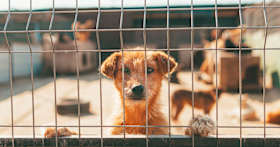
Read on for the grim statistics and hopeful solutions to this national problem plaguing shelters and rescues alike

Shelters & Rescue
In truth, most animal shelters will identify and treat a pet’s health problems pretty quickly. They’ll have all the information you need.
Foster & Volunteer
Shelters need help, especially during the holiday season. From donating supplies or your time, here are the many ways you can pitch in.
Adoption Advice
Learn what a rescue dog is and why these pups make the best buddies.

Foster & Volunteer
Kitten season is coming! During the warmer months, kitten births skyrocket — and it has a dramatic effect on shelters.

Foster & Volunteer
Once you know what to expect, spending your spare time caring for felines can be the best decision you’ve ever made.