Working Dog Breeds: Breed Traits And Characteristics
If you’re a fan of pups like Shepherds, Collies, and Rottweilers, start here to learn more about what to expect once you adopt one of these smart dogs.
If you’re a fan of pups like Shepherds, Collies, and Rottweilers, start here to learn more about what to expect once you adopt one of these smart dogs.
by Savannah Admire, | March 25, 2026

Oleksii Syrotkin / Stocksy
A dog’s breed (or their mixes) can often give new pet parents a bit of clarity into how to take care of them. Working dog breeds — such as Australian Shepherds, Collies, and Rottweilers — can be incredibly loving and devoted family dogs, but they come with training and care challenges that you might not expect.
“Working dogs are usually very beautiful and incredibly intelligent,” says Robert Haussmann, trainer, behavior consultant, and co-founder of Dogboy NYC. “This can draw people in when selecting their next dog. However, it is often overlooked that working dogs need to be engaged both mentally and physically for much of their day.”
Learn all about working dog breeds, their characteristics, and what to expect if you bring an energetic working dog into your home and family.
Working-dog breeds may have been raised for a specific task, like herding or hunting, or they may have adapted over time to work with and for humans. Many working dogs still perform jobs or activities such as herding, tracking, and retrieving. Some even assist the military or law enforcement, or help individuals as service dogs.
These breeds tend to be very focused and driven to complete their tasks and make their handlers or trainers happy. Working dogs are usually calm and confident — and remain so even under high-pressure situations. This enables them to perform their jobs without becoming distracted or spooked. Physically, these breeds are usually medium to large with strong, powerful bodies, and are some of the heaviest dog breeds.
Many breeds fall under the working-dog category. Some of the most popular include Retrievers, Shepherds, Hounds, and Northern breeds.
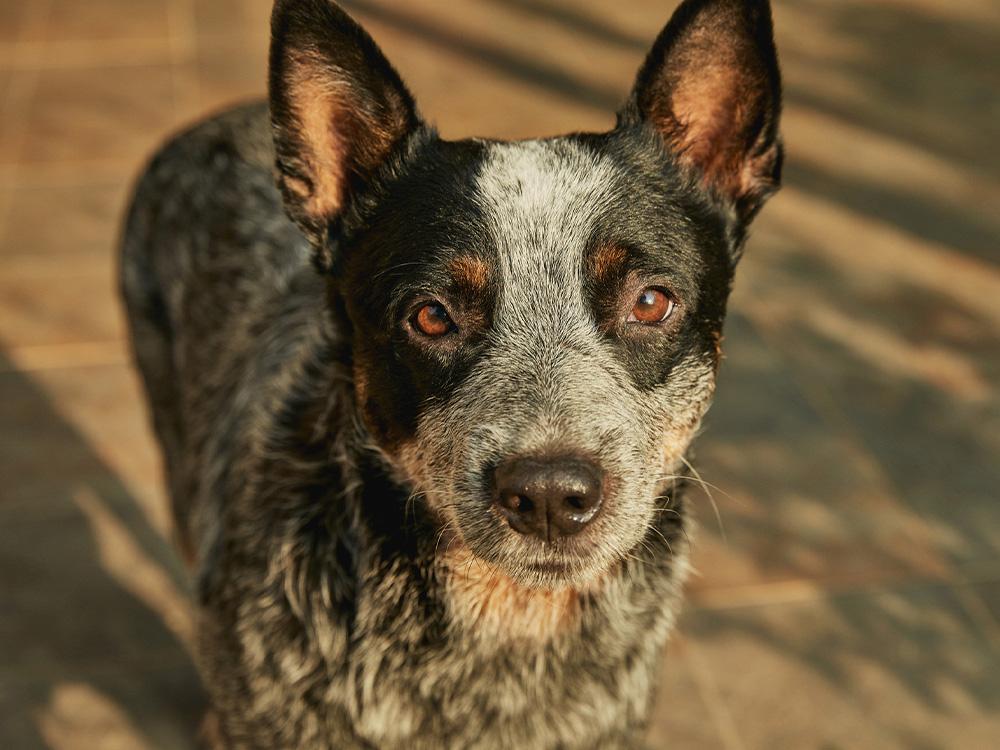
Edward Córdoba / Andréas Sichel / Stocksy
The Australian Cattle Dog (known as a Blue/Red Heeler) is one of the toughest, most tenacious working dogs. They were bred to drive livestock across brutal Australian terrain, which makes them incredibly smart, driven dogs. This breed is wildly rewarding for a pet parent who is prepared to keep up with their physical and mental requirements — but they are often a handful for everyone else.
Height: 17 to 20 inches
Weight: 31 to 53 pounds
Best traits: Endurance and athleticism
Good match for: Working-dog handlers and experienced pet parents

The Kelpie is essentially a Cattle Dog but turned up a notch (if you can even imagine). These high-energy pups were also bred to work in the rugged Australian terrain with little human direction. Although they aren’t as popular as the Heeler, their mixes do show up in shelters and rescues more than you’d expect. This breed is also becoming increasingly popular, thanks to the character Rusty from the Bluey TV show.
Height: 17 to 20 inches
Weight: 25 to 45 pounds
Best traits: Extraordinary stamina and work drive
Good match for: Working dog handlers and very experienced pet parents

Anne / AdobeStock
Unlike the other two Australian breeds, Australian Shepherds, aka Aussies, were bred on American ranches to herd livestock from sunup to sundown. They’re high-energy, whip-smart, and need a job to do. Expect these hard workers and their mixes to herd anything that moves — including your kids, your cats, and your houseguests — if you don’t give them something better to do.
Height: 18 to 23 inches
Weight: 38 to 66 pounds
Best traits: Intelligence and agility
Good match for: Very experienced pet parents

Sandra / AdobeStock
The Border Collie is widely considered the most intelligent dog breed on the planet, and if you meet one, you’ll be reminded of that constantly. Border Collies were bred to work all day, anticipating problems before they happen — without waiting for cues. They have a lot of smarts, but that skill doesn’t always translate so well into being a house pet. These dogs thrive with a serious job or sport, whether it is agility, herding trials, or advanced obedience. And like many of these working dogs, they can display behavioral issues without these outlets.
Height: 18 to 21 inches
Weight: 31 to 53 pounds
Best traits: Intelligence and intense focus
Good match for: Very experienced pet parents

Oakland Animal Service
Huskies were bred to haul sleds across tundra for hours, and that drive doesn’t just switch off in your living room. They’re high-energy, deeply social, and will absolutely redecorate your house with chewed furniture if understimulated. Smart, stubborn, and wildly entertaining, these pups are also among the most surrendered breeds, mostly because well-meaning but inexperienced people get blindsided by their energy.
Height: 21 to 23 inches
Weight: 34 to 67 pounds
Best traits: Cold-weather double coat and expressive personality
Good match for: Experienced pet parent

Boxers are working dogs who never got the memo about being serious. Bred to guard and provide personal protection, they’re now better known for being goofy, loyal, and deeply attached to their people. They’ve got energy to burn — especially when under three years old — but also have a genuine love of downtime with family.
Height: 21 to 25 inches
Weight: 49 to 77 pounds
Best traits: Goofy and people-focused personality
Good match for: Committed pet parent
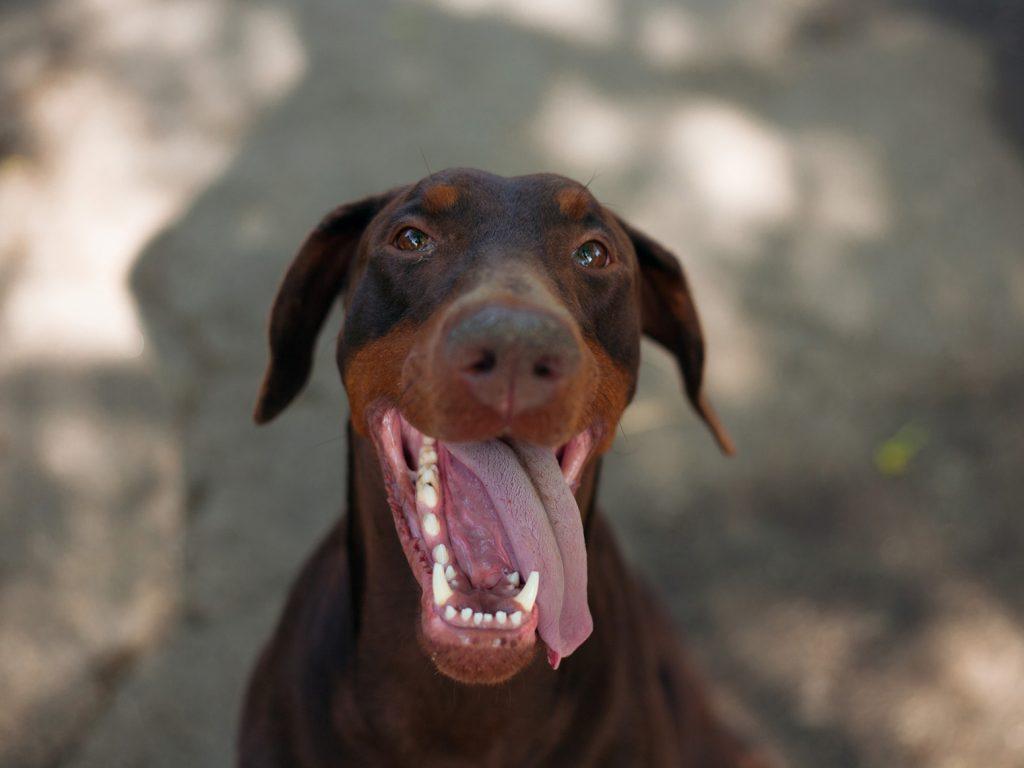
Demetr White / Stocksy
One of the most capable working dogs ever bred — Dobermans were literally designed for personal protection. Athletic, razor-sharp, and deeply loyal, they bond hard with their family and can be wary of strangers. They need structure, consistent training, and a pet parent who means what they say.
Height: 24 to 28 inches
Weight: 60 to 117 pounds
Best traits: Loyalty and intelligence
Good match for: Experienced pet parents

Maryana / Adobe Stock
Don’t let the reputation fool you: A well-raised Rottweiler is calm, confident, and deeply devoted to their people. They were bred to herd livestock and pull carts, so there’s real working drive under the surface. They need firm, consistent training and an experienced hand, but the payoff is a dog who will show up for you every single day.
Height: 23 to 27 inches
Weight: 72 to 132 pounds
Best traits: Steady temperament and protective instinct
Good match for: Experienced pet parents

Josh Hild / Pexels
A gentle giant bred to work the Swiss Alps: drafting carts, herding, and keeping farms running. Berners are affectionate, patient, and great with families. But they also shed heavily, have a shorter lifespan than smaller breeds, and come with real exercise needs. They give everything they’ve got, which makes their shorter years hit hard.
Height: 23 to 26 inches
Weight: 70 to 123 pounds
Best traits: Gentle and calm temperament
Good match for: Committed pet parent
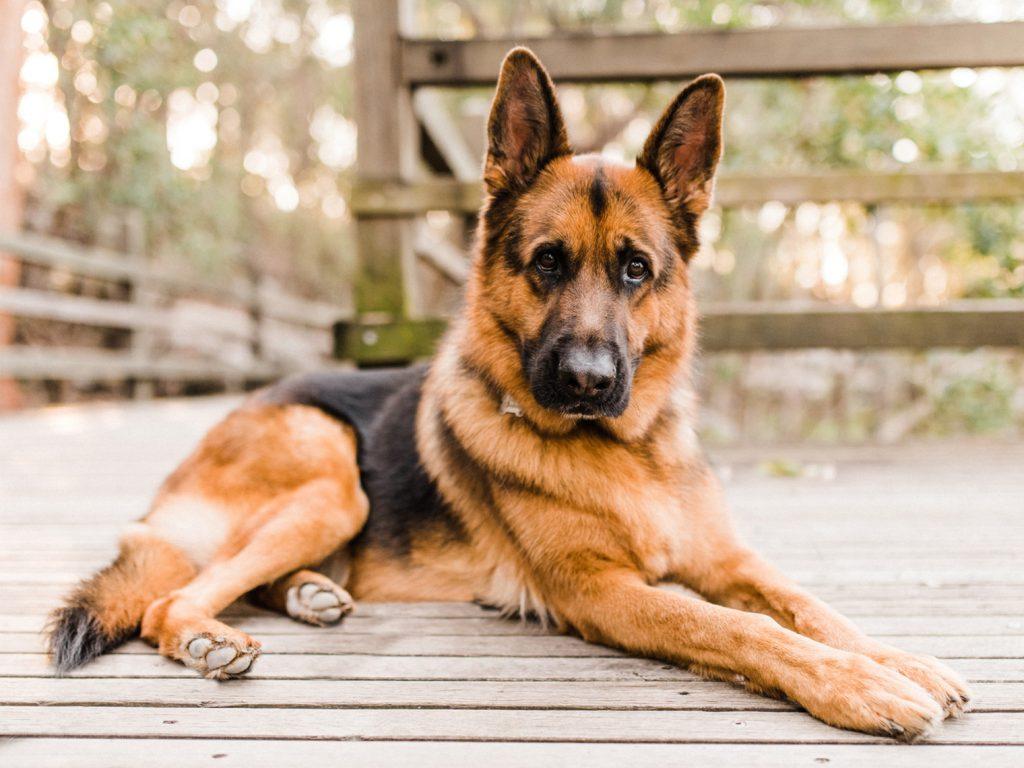
Samantha Gehrmann / Stocksy
German Shepherds (known as GSDs) are consistently one of the most versatile working dogs in the world, whether that means working for the police, the military, in search-and-rescue, or in other service work roles. GSDs are brilliant, loyal, and highly trainable, but they’re also one of the most surrendered breeds because people underestimate their needs.
Height: 22 to 26 inches
Weight: 48 to 97 pounds
Best traits: Intelligence and loyalty
Good match for: Experienced pet parents

Olga Ovcharenko / AdobeStock
The Malinois is what results when you engineer a dog almost entirely for performance. Used by military and law enforcement globally, they are fast, fearless, and relentlessly driven. The John Wick effect is real, and shelters and rescues are paying the price for this breed’s popularity among folks who are unprepared to raise such an athletic dog. These are not casual pets, but in the right hands, they’re extraordinary.
Height: 22 to 26 inches
Weight: 40 to 83 pounds
Best traits: Elite athleticism and focus
Good match for: Working dog handlers and very experienced pet parents
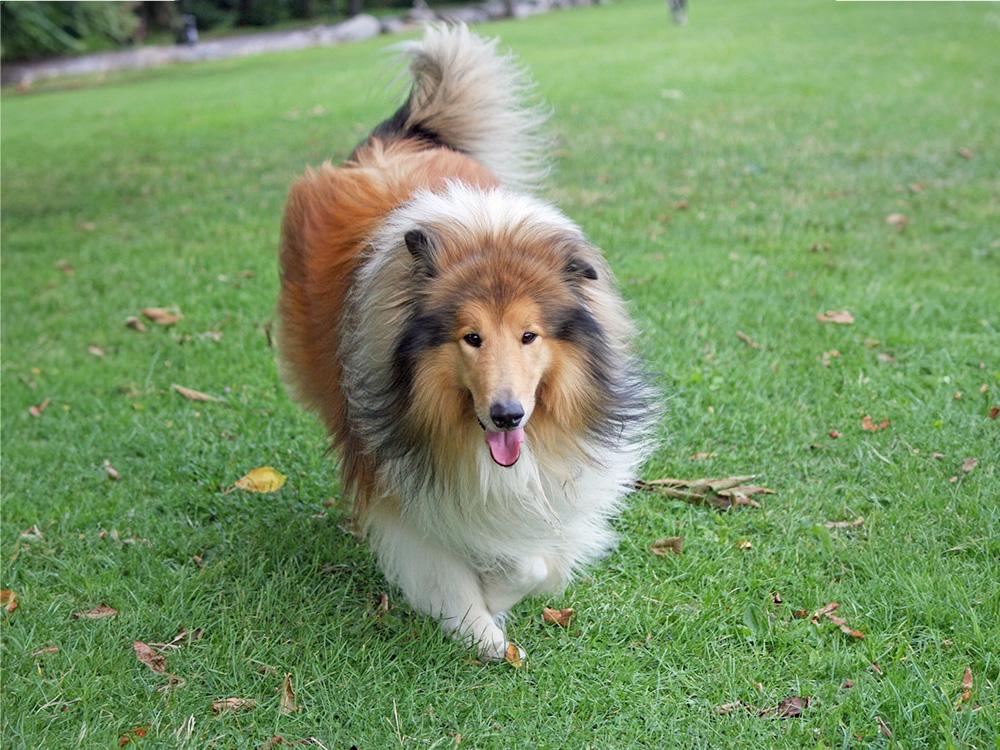
No-longer-here / pixabay
Rough Collies are genuinely one of the most sweet-natured, intuitive herding breeds around. Bred to manage flocks independently across the Scottish Highlands, they’re sensitive, smart, and deeply attuned to their families. These pups — who have moderate energy levels, are easy to train, and prove surprisingly adaptable — are a bit underrated.
Height: 20 to 24 inches
Weight: 44 to 79 pounds
Best traits: Sensitive temperament and gorgeous coat
Good match for: Committed pet parent
Beatrice / AdobeStock
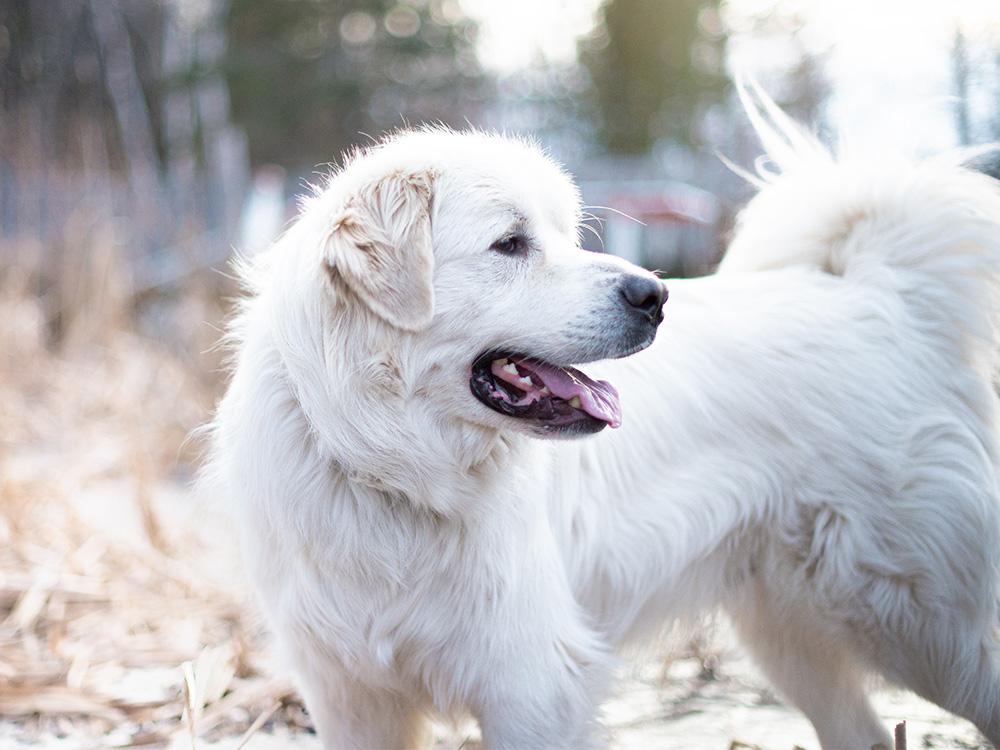
Bred to guard livestock on mountain slopes — alone, overnight, in the cold — the Pyr is independent, calm, and great at making their own decisions. That independence can read as stubbornness, and they kind of are. Don’t expect them to run agility, but they will happily patrol your yard in the cold at 2 a.m. and bark at things you cannot see.
Height: 25 to 27 inches
Weight: 66 to 138 pounds
Best traits: Cold-weather coat and guarding instinct
Good match for: Experienced pet parents

efrem efre / Pexels
Great Danes were originally bred to hunt boar, but the modern Dane is famously mellow, affectionate, and deeply attached to their people. They don’t need as much exercise as you’d think, but they do need space, quality food, and a vet who knows giant breeds. Also, it’s worth noting that they think they’re lapdogs — so prepare yourself.
Height: 29 to 35 inches
Weight: 95 to 153 pounds
Best traits: Calm and affectionate temperament
Good match for: Committed pet parent

Nadezhda Zaitceva / Adobe Stock
Both Pembroke and Cardigan Corgis were bred to herd cattle, which tells you everything about their fearlessness and tenacity. They’re energetic, clever, and have opinions about everything. Don’t let the cute fool you, though. These dogs need real exercise and mental stimulation to stay out of trouble.
Height: 10 to 13 inches
Weight: 23 to 42 pounds
Best traits: Surprisingly athletic and agile
Good match for: Committed pet parent
These high-energy breeds are rarely content being lazy around the house and have several other specific needs requiring your time and attention. So if you have more of a sedentary or busy lifestyle, a working dog breed may not be the best choice for you — even those labeled as OK for new pet parents.
Although working dog breeds tend to be very focused and intelligent, they can also have an independent streak. Parents of these breeds need to know how to raise a working puppy, as well as how to train and command them, to curb any unwanted behaviors.
Working dogs are highly intelligent and quickly learn new tasks, from basic commands to more advanced tricks. They’re eager to please and happy to listen and take direction, making them good companions with the right obedience training.
“Start training ASAP,” Haussmann says. “An eight-week-old puppy can learn basic cues, and you can start setting some house rules. You should also find a well-run puppy socialization play group conducted by a CCPDT or IAABC certified trainer.”
As with most dogs, working breeds need exposure to the people, environments, and other animals they will encounter on a regular basis. Puppy training classes can be a fantastic way to socialize your working-breed dog from a young age. You may also want to spend time at local dog parks or invest in doggie daycare.
Because of their high levels of intelligence and athleticism, working dog breeds require regular daily exercise to become and remain healthy, strong dogs. This can include playtime, such as fetch or training, or exercising with you by going on a run or for a swim. These breeds also require mental stimulation, so invest in puzzles and chew toys to keep their busy minds occupied.
Many working-breed dogs have long coats that require frequent grooming to prevent matting. Talk to your veterinarian about the grooming needs specific to your dog’s breed, and consider hiring the services of a professional groomer to keep them clean and healthy.
You’ll also want to make sure your working dog breed gets all the nutrition they need through high-quality dog food. Many active dogs need high-fat, high-protein diets, so ask your vet about the best food for your dog.
Large breeds are more prone to orthopedic disease and joint issues (such as hip dysplasia), so you should give your working-breed dog a joint supplement as they age. Working dogs can also be more prone to injury because of their high levels of activity.
Working breeds often require extensive training to perform at their best level in their jobs, and obedience-skill training has to be maintained throughout their lives. Working breeds need a job to do to keep both their minds and bodies occupied, so it’s a good idea to start training them when they’re puppies.
“Training will need to be front and center in your relationship,” Haussmann says. “These busy dogs need guidance and clear communication. This goes beyond teaching basic training cues and playing fetch in the park a few days a week. This may range from regular, consistent training and exercise, to being passionate about training and spending weekends engaged in a dog sport that engages your dog’s natural skills.”
Fortunately, working breeds are very trainable dogs. Obedience classes are one of the best ways to reduce herding behaviors like chasing and nipping, and satisfy the dog’s need for both physical and mental stimulation. Most working dogs respond well to positive reinforcement training and are usually happy to take commands and perform requested tasks well. Consider investing time and money in obedience classes into your dog’s adulthood to continue working on commands and socialization.
Because of their intelligence, working dog breeds can learn more advanced commands and tricks, such as gathering laundry off the floor and bringing it to you, cleaning up their toys, or even bringing their human parents their house slippers. Once your dog has mastered the basics, you may want to continue their training with more advanced obedience classes.
Dog sports such as agility events are a great way to entertain working breeds, keep them mentally stimulated, and strengthen the bond between dog and parent. Other competitive activities, like herding competitions and dock diving, may also be options.
Regardless of the type of training or exercise you choose, it’s important to understand your working dog’s personality and physical needs. “When a dog’s needs are not met, they develop bad habits,” Haussmann says. “This stresses the need to evaluate your lifestyle and determine if a working dog is right for you.”
Many families have working dogs because they can be very loyal and loving pets. Just make sure to invest time in training them to eliminate any unwanted behaviors.
Service dogs go through extensive training to perform specific service tasks. Working dogs can be service dogs, but are more often involved in herding or other work.
Working dogs must be properly trained and require a significant amount of exercise and mental stimulation, so they aren’t a good choice for more sedentary pet parents.
Working dogs can get along well with other dogs, but they need to be socialized as early as possible and should go through training to eliminate unwanted behaviors, like herding and nipping.
Working breeds were originally bred to assist humans in some way, whether guarding the home or working on a farm.
Australian Shepherds were originally bred to work on farms and ranches herding livestock, and some Aussies still do that job today.
“Australian Shepherd.” www.petmd.com, www.petmd.com/dog/breeds/australian-shepherd.
“Great Plains Wildlife Damage Control Workshop Proceedings.” Google Books, 2026, books.google.co.in/books?hl=en&lr=&id=nPEpAQAAMAAJ&oi=fnd&pg=PA43&dq=australian+shepherd+dog+herding&ots=Lek2rtWBfZ&sig=Iwg5zCm7nemN1tbMPXwyPnZjZNA&redir_esc=y#v=onepage&q&f=false.
“Pelger-Huët Anomaly in Dogs.” Www.petmd.com, www.petmd.com/dog/conditions/cardiovascular/c_dg_pelger_huet_anomaly.
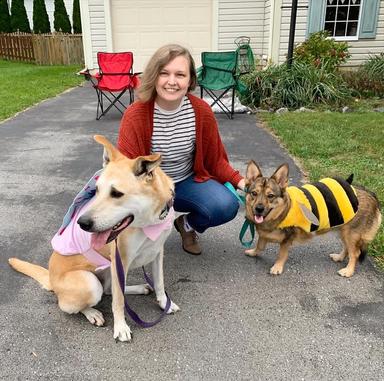
Savannah Admire is a writer, editor, and pet parent to two dogs and a cat. When she’s not writing, you can find her reading, playing Animal Crossing, or being an obnoxious nerd about her favorite movies and TV shows. She lives in Maryland, where she constantly debates whether or not to get a third dog.
Breed Info
Breed Info
Breed Info
Breed Info
Find your loyal sidekick among this list of popular mixes and breeds.
Breed Info
Meet the dog breeds who got their start on American soil.
Breed Info
Looking for an intelligent pup? You’ve come to the right place.
Behavior & Training
Healthy habits to build with your new dog, plus how to create a schedule that works for both of you.
Breed Info
With a penchant for being smart and loyal, these handsome shepherds make incredible pets.
Breed Info
Pedigreed pups are tied with mixed breeds for some disorders — but mutts reign supreme.