Size
(when grown) -
Details
Needs special attention,
House-trained,
Spayed or Neutered,
Shots are up-to-date,
Story
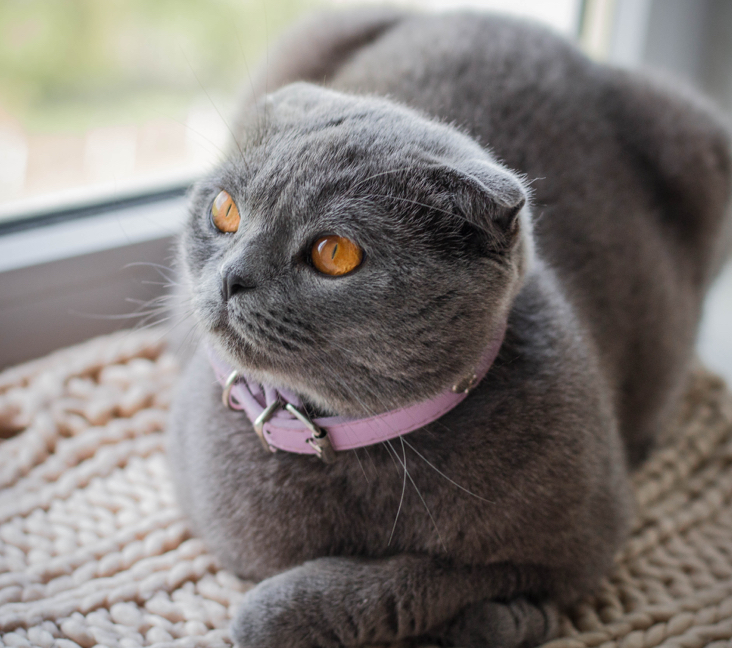
You can fill out an adoption application online on our official website.Trapper is a FAVORITE within the rescue!! He will touch your heart. With all that he has gone through in his decade of life, what he still wants is just love. He adores being petted, held, loved on, and what we want for him more than anything is a home to give him that on a constant basis!! Trapper will bond with you and we can't conceptualize how grateful he will be for a home. He doesn't want to be too picky, but he'd do best if people are around most of the time, so he never has to fear being alone again. Trapper has diabetes. This is currently controlled with an oral med--no needle sticks! He feels so much better now that his sugar is at a normal level. Another diagnosis for Trapper is FIV, a retrovirus he picked up on the streets. This simply means his immune system is not quite as active as a cat without FIV. With good food and love indoors, Trapper has been doing so well! These things are just a small part of who Trapper is. He cannot help his health, and his soul is still beautiful and loving underneath any diagnosis. Trapper knows he is not a new kitten. He knows he needs a little extra care. He loves all of us at Catsnap for giving him a soft place to land. . . but he has a special hope, that someone would want to take him home. To offer his own bowls, his own bed, and let him spread out, knowing this is forever for him. It would mean everything to Trapper, and honestly, to us. Please consider opening your heart to a cat like Trapper. Applying to meet him does not obligate you to adopt, but he is worth meeting. Thank you for your interest in a CATsNAP cat or kitten! If you would like to meet a cat, please complete the online application located on our website catsnap.org. We do not have a walk-in facility; most of our cats are in foster homes. For this reason, we require an approved application on file before we set up a meet and greet. Completing an online application does not obligate you to adopt! We care deeply about our cats and want the best match for all involved. All CATsNAP cats and kittens are: Vaccination against Panleukopenia (Distemper), Rhinotracheitis, and Calicivirus Vaccination against Rabies (if animal is over 4 months of age) Testing for Feline Leukemia (FeLV) and Feline Immunodeficiency Virus (FIV) Initial de-worming, flea, and ear mite treatment Sterilization of the animal prior to adoption; no exceptions Micro-chipping as mandated by state law Visit this organization's web site to see any additional information available about this pet.October 8, 2026, 11:00 pm