The Surprising Perks of Adopting a Pet Directly From Another Family
Pets being rehomed often come with helpful history that makes matching easier.
Pets being rehomed often come with helpful history that makes matching easier.
by Katie Koschalk, | January 8, 2026

bnenin / AdobeStock
When people hear that a dog or cat is being “rehomed,” they often imagine the worst: behavioral problems, training struggles, or a pet who just couldn’t settle into a home. But the truth is usually far more nuanced and hopeful. Most pets are rehomed not because something is “wrong” with them, but because their family’s circumstances changed unexpectedly.
Although rehoming should never be a casual or convenient fallback, there are times when it truly is the best choice for the pet’s well-being. And here’s the encouraging part: When rehoming is done responsibly, these pets often land in homes that suit them exceptionally well.
Here’s what to know about adopting a pet being rehomed — including why people rehome them, the benefits of adopting one, and how to find a pet who needs a new home.
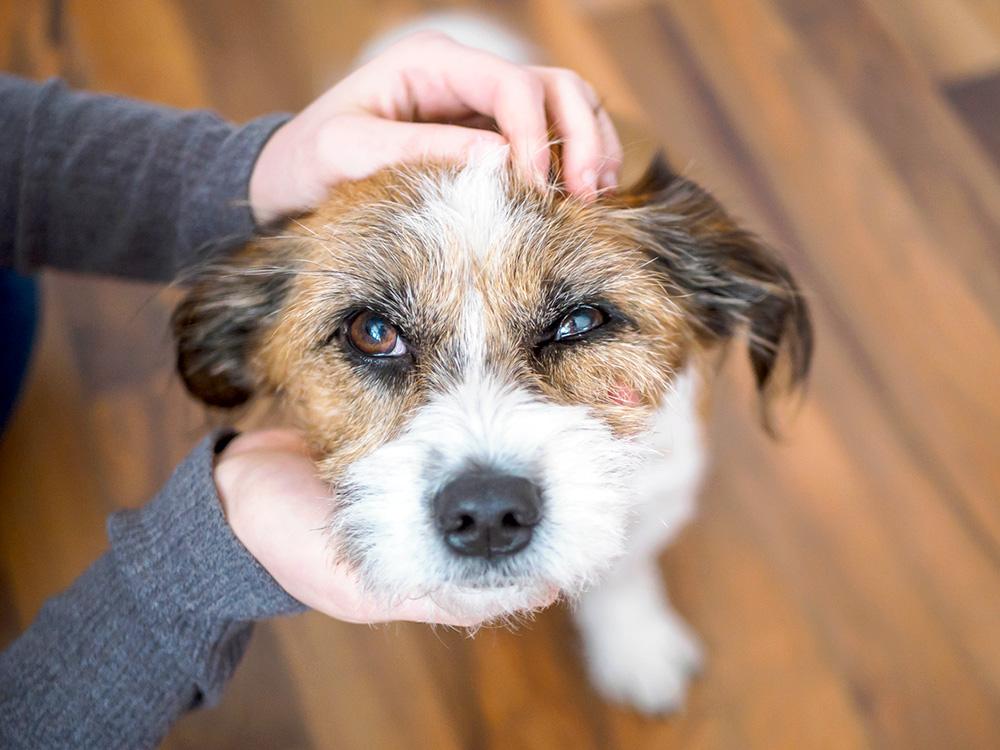
Rehoming a pet is rarely an easy or impulsive decision. In most cases, it happens because a family’s circumstances change in ways they couldn’t predict or control — and it’s no fault of the animal. According to statistics pulled from Rehome by Adopt a Pet, these are the most common reasons for rehoming cats and dogs.
Too busy: Life can get unexpectedly busy. Demanding work schedules, long commutes, or juggling multiple responsibilities can make it hard to give a pet the attention, exercise, or care they need. When time becomes extremely limited, some families may feel that rehoming is the best choice for the pet’s well-being.
Relocation: Ideally, pets would stay with their families through big life transitions, but that isn’t always possible or in the pet’s best interest. Things such as moves (and subsequent landlord issues), job relocations, or divorces can make it difficult for a family to keep caring for a pet, especially when housing or time becomes limited.
Financial strain: Some pet parents find that they can’t keep up with rising costs. For others, unexpected expenses or a loss of income can force heartbreaking decisions when a pet parent is no longer able to meet a pet’s needs.
Pet parents’ health issues: A sudden diagnosis, mobility challenges, or the onset of severe dog or cat allergies can make caring for a pet physically difficult or medically unsafe for someone in the household.
Incompatibility with resident pets: Not all pets get along, even with slow introductions. Sometimes, personalities simply clash, which can lead to one or both pets becoming stressed, fearful, or aggressive. When the well-being of either animal is at risk, rehoming can be the most compassionate choice, so both pets live safely and comfortably.
A mismatch in needs: Sometimes a pet’s energy level, temperament, or care needs just don’t mesh with the household they’re in. Ideally, these things come up before adoption, but personalities and needs can change or reveal themselves over time. Not every mismatch is easy to foresee.
Changes in family dynamics: New babies, aging parents moving in, or blending households can shift the environment in ways that aren’t ideal for every pet.
Pets who are being rehomed have loving pet parents who are taking the time to find them a new home. Many of these pets already live comfortably with kids, other pets, have daily routines, and their adoption profiles explain just that. Those little details matter because they help you to choose a pet based on real compatibility.
All that information can be hugely beneficial to adopters. For example, parents of kids looking to add a new pet to their family will find that a large share of pets being rehomed are kid-friendly: about 75 percent of dogs and 64 percent of cats rehomed through Rehome by Adopt a Pet do well in homes with children. And pet parents with existing pets will find that nearly three-quarters of dogs being rehomed are good with other dogs, about a third are comfortable with cats, and many cats coexist with other cats or dogs. All of this makes it easier to choose a pet who actually fits your household.

There’s a wide variety of pets being rehomed, including many familiar breeds. About 32 percent are purebred dogs, with popular breeds such as Labrador Retrievers and German Shepherds commonly represented. Age also isn’t a barrier to rehoming — 20 percent of cats are new kittens and 16 percent of dogs are new puppies, while 32 percent are young cats and 38 percent are young dogs. Here’s the full breakdown:

Adopting a rehomed pet often comes with unexpected perks — for you, the animal, and the companion-animal population at large. Here are some of the key benefits.
Adopting a rehomed pet gives you a serious head start on finding your perfect match. Pets who are being rehomed often have detailed adoption profiles that go far beyond basics such as size, age, or color, giving you insight into who they are in everyday life. Are they good with kids? Cats? Dogs? These rich profiles often explain how they do on walks and whether they are housetrained. All of that is often right there upfront.
On the pet’s adoption profile, it also explains why they’re being rehomed, adding helpful context that isn’t typically available in adoptions. All of this means you can focus on compatibility from the start and find a pet who truly fits into your life.
Rehomed pets often come with a wealth of useful details. Their previous families can often tell you about their routines, preferences, energy levels, personalities, and any quirks or sensitivities. That insight not only helps you choose a pet who truly fits your lifestyle, but also gives you a head start when it comes to meeting their needs once they’re home.
This level of insight isn’t always available when adopting from a shelter, where some pets have unknown histories or may not show their full personality in a stressful shelter environment.
Many rehomed pets have already lived in home environments, so they’re used to being around people, following daily routines, and being part of a family. They’ll still need time to adjust to your home and learn to trust you (just like any new pet), but that prior experience can make the transition a bit smoother.
When you adopt a pet directly from their current family, you’re giving them a new home before they ever have to enter a shelter. That can greatly reduce stress for the pet, ease pressure on crowded shelters and rescues, and free up space and resources for other animals who need help.

Michela Ravasio / Stocksy
If you’re planning to adopt a pet from someone who’s rehoming them, it’s important to be thoughtful and cautious in your approach. This helps protect you from scams or unsafe situations, and increases your chances of finding a good match. Here’s how to go about it responsibly.
Rehome by Adopt a Pet offers a free, secure, peer-to-peer system that helps people responsibly rehome their pets and list them on Adopt a Pet. The platform guides both sides (current guardian and adopter) through the screening, communication, meeting, and adoption process to support a safe transfer. To search for pets being rehomed, use the filter “Cared for by” and select “private owner.”
It’s best to avoid anonymous listings or platforms that don’t verify information (such as Craigslist), because they can pose safety risks and may be connected to unethical practices such as backyard breeding or puppy and kitten mills.
The person rehoming their pet can usually share helpful details about the animal’s routine, energy level, medical history, behavior, and preferences. Review the information carefully and ask questions to make sure the pet’s needs align with your lifestyle and bandwidth.
A conversation (phone, video, or text message) helps you learn more about the pet and shows the individual or family that you’re serious. Ask about the pet’s daily habits, training, how they get along with other pets, and any challenges you should know about.
Meeting the pet in a low-key, public location can help you get a better sense of their true personality. If you already have a dog at home, ask if a supervised introduction between the two can be safely arranged. (This isn’t a good idea with cats, because they need very slow introductions.)
Prepare your home for your pet: Before bringing them home, dog- or cat-proof all rooms, and block off any potential escape routes. Set up a safe, quiet room or space with essentials like food and water bowls, a bed, toys, and a litter box or designated potty area. If they seem anxious, give them time to decompress there.
Ask the previous guardian for vet records, vaccination dates, microchip information, and any items that might facilitate a smooth transition (i.e., their bed, toys, cat boxes, cat litter, or current food).
A simple written agreement documents the transfer of “ownership.” Rehome by Adopt a Pet provides a transfer-of-ownership form that both parties can sign as proof of the adoption. If you’re adopting through someone you know, a signed agreement you create together works as well.

How a rehoming agreement protects everyone involved in an adoption (even the pet).
Stay in touch if appropriate: Ask the former guardian if they’d like occasional updates after the adoption. Many appreciate hearing how their pet is settling in, especially early on, because it offers reassurance that they’re safe and well cared for.
Give them time to adjust: Even pets who have lived in homes before need time to settle in and adjust to their new surroundings. Keep routines predictable, use positive reinforcement, and allow them to explore at their own paces.
To legally adopt a pet from someone, both parties should sign a written ownership transfer agreement. Once the transfer is complete, update the pet’s microchip registration, vet records, and local license so they reflect your information.
Rehoming fees help discourage scams, impulse adoptions, and people with harmful intentions. They add a layer of protection for the pet and increase the likelihood that the adopter is committed to providing a safe, stable home.
A reasonable rehoming fee for a dog is $50 to $250. Rehoming fees for cats are a bit lower, ranging from $50 to $100.
Gather supplies, dog-proof your home, research the dog’s needs, and plan a consistent routine. Set aside time for bonding, training, and adjustment to help your new dog feel safe and supported.
“Rehoming a Pet: Finding a Good New Home.” Best Friends Animal Society, 2022, bestfriends.org/pet-care-resources/rehoming-pet-finding-good-new-home.
“Tips for Rehoming Your Pet.” East Bay SPCA, 9 Aug. 2023, eastbayspca.org/resources/rehome-surrender-a-pet/tips-for-rehoming-your-pet.

Katie Koschalk is a freelance writer based in Northern California. Fusing her love and knowledge of animals with her journalism degree and years of professional writing, Katie is dedicated to improving the lives of pets and their caretakers by sharing helpful and accurate information. When she’s not at her desk, you can find her exploring trails with her Aussie, Hunter, cooking plant-based meals, and talking to her two cats, Jax and Sadie, in really ridiculous voices.

Adoption Advice

Adoption Advice
Adoption Advice
Adoption Advice
Adopting a dog is a BIG decision. If you’re considering getting a new pup, consider a foster-to-adopt program to test the waters first.

Adoption Advice
Every pet has a story, and you can become an important part of it.
Adoption Advice
Learn the many benefits of adopting a dog from a shelter or rescue, and why giving a dog a second chance at a home is truly rewarding.

Adoption Advice
Falling victim to a pet scam is bad for you and the animals whom scammers are trying to sell. Here’s how to avoid them.

Adoption Advice
Not sure if you should adopt a younger or older pet? Here’s a guide to help you make the best decision.

Breed Info
Rottweilers are loyal, intelligent, and protective, but they’re not the right fit for everyone.

Adoption Advice
Sometimes, for the sake of the cats (and the pet parents), adopting a pair of kitties makes the most sense.

Rehome
Thinking about adopting a pet that comes with a rehoming fee? No red flags here — they're like adoption fees (only less!) and are perfectly legit.

Adoption Advice
Adoption interviews aren’t about passing or failing — they’re about finding the right fit.