Long-Term Shelter Dogs: What You Need to Know Before Adopting
Learn about the unique needs of dogs who’ve called the shelter home for too long.
Learn about the unique needs of dogs who’ve called the shelter home for too long.
by Katie Koschalk, | September 9, 2025

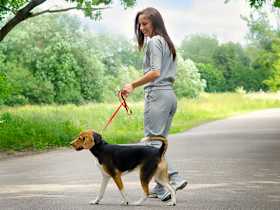
Krakenimages.com / Shutterstock
Why do some shelter dogs find homes almost instantly, while for others it may take weeks, months, or even years? A dog’s length of stay often has little to do with their potential as a companion. Instead, factors such as breed stereotypes, size, age, and timing tend to play bigger roles.
The longer a dog remains in the shelter, the tougher adoption becomes. Many people assume there must be something wrong with these pups when, in reality, many long-term residents are loving, adoptable dogs who’ve simply been overlooked.
This guide explores why certain dogs stay in shelters longer, how that experience can affect them, and what you can do to help a long-term shelter pup adjust and thrive once they’re finally home.
What causes certain dogs to remain in shelters for so long? Here are some of the most common factors.
Puppies are usually the first to be adopted, while senior dogs are often passed over. Many adopters want a long-term companion and worry that older dogs won’t be around as long, or that they’ll come with expensive medical needs.
While those concerns are important to consider, senior dogs are often gentle, well-mannered, and deeply appreciative companions. For the right adopter, they can be the perfect match.
Some breeds and breed mixes tend to have longer shelter stays, particularly those with unfair reputations, such as Pit Bulls and Rottweilers. Housing restrictions also deter potential adopters from certain breeds. Other breeds may simply be less popular.
Appearance can influence the likelihood of adoption. Dogs with more common or understated looks may be overlooked in favor of those with striking features. Size is another factor. Large dogs often face longer shelter waits, especially in urban areas where many people live in small apartments.
Coat color may also come into play. Some welfare organizations claim that black dogs face lower adoption rates, higher surrender rates, and increased euthanization compared to their lighter-colored counterparts.
Dogs with disabilities, such as missing limbs, vision loss, or hearing loss, often have longer adoption waits. Some people worry about the extra care requirements or assume disabilities mean a lower quality of life. Although considering your ability to meet their needs is important, many disabled dogs adapt remarkably well and live happy, active lives.

Are you thinking of adopting a dog? Here are three reasons why you shouldn’t rule out special-needs pups.
Sometimes it’s simply about timing. Dogs may arrive during busy intake periods and get overlooked. Or potential adopters seeking specific breeds, ages, or sizes may pass by perfectly adoptable dogs who don’t match their predetermined criteria.
Research suggests that shelter dogs have higher stress-hormone levels than dogs in homes, particularly during their first weeks in a shelter. This should come as no surprise, given that shelters are noisy, crowded spaces filled with unfamiliar sights, smells, and other stressed animals.
In these conditions, even the most good-natured dogs can struggle to show their true personalities, and their stress responses are easily misread as behavioral issues or difficult temperaments.
Many shelters recognize this challenge and provide enrichment through playgroups, volunteer walks, puzzle toys, petting sessions, foster programs, and “doggy day out” initiatives to help dogs decompress and show their authentic selves.
Bringing home a long-term shelter dog may come with some behavioral surprises, but these often reflect the stress of shelter life — and not their true nature. With patience, training, and a stable home, many dogs settle in fairly quickly and reveal themselves as affectionate, well-mannered, and happy companions.
Below are some common behaviors you might see in long-term shelter dogs, and how to work through them.
The stress of shelter life can carry over into the home environment, at least at first. You may see pacing, whining, trembling, hiding, seemingly reserved behavior, attempts to escape, and destructive behaviors.
These are coping mechanisms that come from living in a loud, unpredictable setting. With patience and the right approach, these reactions typically fade as dogs adjust to their new surroundings.
What helps:
Create a quiet, low-traffic space where your dog can decompress and feel secure.
Use gradual desensitization and counterconditioning to help your dog feel safer around specific triggers.
Try calming tools such as pheromone diffusers, white noise, or thundershirts alongside reward-based training.
Some dogs who’ve spent extended time in shelters have had limited exposure to new people, other dogs, or varied environments. When they encounter unfamiliar situations, they may become nervous, reactive, or withdrawn.
They might bark at strangers, avoid other dogs, or freeze up when something startles them. This typically reflects their restricted socialization and shelter stress rather than their true personality.
What helps:
Start slow. Introduce new people or dogs in calm, controlled settings.
Use positive reinforcement to build trust and reward calm behavior.
If anxiety or reactivity continues, consider working with a certified trainer who uses positive reinforcement methods.

Your guide to identifying why your pup is barking so much at other dogs, and how to curb that behavior.
Dogs who are used to shelter routines may find it challenging to adjust to home life’s different structure (or lack thereof). They might experience house-training issues or seem confused or anxious around common household items, such as furniture, stairs, doorbells, or appliances that make sounds.
Most dogs adapt with time, gradually becoming more comfortable and confident as they acclimate to their new routines and environments.
What helps:
Stick to a regular schedule for meals, walks, and potty breaks to create structure and predictability.
Slowly introduce your dog to new areas and household items, giving them space to explore at their own pace.
Supervise closely and use positive reinforcement to reward desirable behaviors.
Leash reactivity: Dogs who’ve spent a lot of time in kennels may bark, lunge, or pull when first experiencing the outside world on a leash. With regular, structured walks and positive reinforcement, their leash manners can often be improved.
Overexcitement: Some dogs may struggle with impulse control. Jumping on people, grabbing food, or getting overly amped up are common issues. Teaching basic cues like “sit” and “wait,” rewarding calm behavior, and providing enough physical and mental exercise can help them develop better self-control.
Mouthiness or rough play: Dogs who missed out on early training or enrichment may not know how to play appropriately. They might mouth at hands, tug on clothes, or chew on furniture. Redirecting them to appropriate toys, rewarding gentle play, and reinforcing basic cues can help set healthy boundaries.
Separation anxiety: After forming a bond with their new person, some dogs may panic when left alone. This can show up as barking, whining, pacing, or destructive behavior. Gradual desensitization and providing a safe space with enrichment toys during departures can help reduce anxiety.
Shelter dogs, especially those who’ve spent a long time in a shelter, often need extra time, structure, and reassurance to feel secure in their new environments. Here are some tips for helping them feel at home.
A shelter dog often needs time to decompress and adjust after adoption. The “3-3-3 Rule” is a helpful guideline:
Three days to feel overwhelmed or shut down
Three weeks to start to settle in and show their true personality
Three months to fully feel at home
Go at your dog’s pace. Offer quiet spaces, stick to a consistent routine, and keep new experiences low-key in the early days. Slowly expand their world as they show signs of comfort and curiosity.

Find out how to set your adopted rescue dog up for success.
Physical activity helps long-term shelter dogs release energy, reduce stress, and build confidence while strengthening your bond and supporting overall wellness.
Consider adding the following to your routines:
Daily walks in quiet areas
Supervised yard playtime
Tug, fetch, or gentle indoor games
Scent walks for nose-led exploration
Mental stimulation is as important as physical exercise, especially for anxious dogs. Engaging their minds reduces stress, prevents boredom, and builds confidence through curiosity and problem-solving.
Here are a few activities worth trying:
Puzzle toys
Snuffle mats
Food-dispensing toys or slow feeders at mealtime to make eating more engaging
Interactive games like hide-and-seek with treats or toys
DIY enrichment, such as cardboard boxes filled with safe paper or toys to “dig” through
Your dog may need time to learn or relearn how to socialize with people or other pets. Initially, focus on low-pressure, positive interactions, avoiding crowded parks or overstimulating environments.
Try these strategies:
Bonding through hand-feeding, petting, or interactive play
Calm introductions to new people, one at a time
Rewarding positive interactions with treats and praise
Training helps create structure, keeps your dog mentally engaged, and deepens your bond. Focus on positive, reward-based techniques.
Consider the following:
Teaching foundational cues such as “sit,” “stay,” “wait,” and “leave it”
Working on calm leash manners and polite greetings
Joining a positive reinforcement training class for extra guidance
Even with your best efforts, some long-term shelter dogs need additional support adjusting to home life. If you’re facing challenging behaviors like fearfulness, separation anxiety, or leash reactivity, consider working with a certified dog trainer or behaviorist. These professionals can identify what’s driving your dog’s behavior and create a customized plan using positive reinforcement and fear-free methods.
Some shelters and rescues even offer post-adoption support, including free or discounted training sessions or referrals to trusted professionals in your area.
Shelter dog syndrome refers to dogs being passed over because they don’t “show well” in kennels, often appearing shy, overly energetic, or stressed. These behaviors are usually temporary and fade once they’re in a home.
No dog is perfect, but a good shelter will disclose known issues. That said, behavior there is often not a reflection of a dog’s real personality. Ask about their history, do a meet-and-greet, and if possible, consider a foster-to-adopt arrangement to see how they adjust to your home.
Many adopters consider size, age, temperament, energy level, medical needs, and compatibility with kids or other pets. Appearance also plays a role, despite some of the best dogs not being the most eye-catching.
Dogs often enter shelters due to housing issues, financial hardship, or lifestyle changes. Others are surrendered because their needs didn’t match their adopters’ expectations or resources.
Rescued or adopted dogs are not always a lot of work. However, they do require patience and structure, especially initially. Some adjust quickly while others need more time. With love and consistency, most rescue dogs become excellent companions.
Donaldson, Jean. “Behavior Problems and Long Term Housing.” Maddie’s Fund, www.maddiesfund.org/behavior-problems-and-long-term-housing.htm.
Raudies, Christina, et al. “Characteristics and Welfare of Long-Term Shelter Dogs.” Animals, vol. 11, no. 1, 15 Jan. 2021, p. 194, doi.org/10.3390/ani11010194.
Van der Laan, Janneke Elisabeth, et al. “Restless Nights? Nocturnal Activity as a Useful Indicator of Adaptability of Shelter Housed Dogs.” Applied Animal Behaviour Science, vol. 241, Aug. 2021, p. 105377, doi.org/10.1016/j.applanim.2021.105377.

Katie Koschalk is a freelance writer based in Northern California. Fusing her love and knowledge of animals with her journalism degree and years of professional writing, Katie is dedicated to improving the lives of pets and their caretakers by sharing helpful and accurate information. When she’s not at her desk, you can find her exploring trails with her Aussie, Hunter, cooking plant-based meals, and talking to her two cats, Jax and Sadie, in really ridiculous voices.
Shelters & Rescue

Behavior & Training

Shelters & Rescue

Adoption Advice
Microchipping your dog significantly increases the likelihood of a happy reunion if your pup ever gets lost.

Pet Wellness
It’s rarely obvious that a puppy you want to adopt was born of inhumane breeding practices. However, there are some key signs you should look out for.

Adoption Advice
Foster fails aren’t bad — and they’re actually very common.

Behavior & Training
Whether for medical or practical reasons, it is never too late to teach your dog how to comfortably chill in a crate.

Adoption Advice
Learn what a rescue dog is and why these pups make the best buddies.

Foster & Volunteer
Thinking about fostering a pet? Read more to learn about the fostering process and benefits of fostering.