Why Is My Dog Peeing a Lot?
From UTIs and diabetes to the natural effects of aging, several conditions can cause frequent urination in dogs — many of which are highly treatable.
From UTIs and diabetes to the natural effects of aging, several conditions can cause frequent urination in dogs — many of which are highly treatable.
by Kelly Villa, | March 28, 2026
Smrm1977 / Dreamstime.com
Common reasons for your dog peeing a lot include diabetes, urinary tract infections, and aging. Certain medical conditions can be treated, which will often alleviate the frequent urination. Other causes, however, such as aging, may not be resolved. The first order of business when you notice frequent urination, or any other change in your pet’s bathroom habits, should be a visit to your vet for a thorough exam.
On its own, frequent urination isn’t necessarily dangerous, but it could be, as mentioned above, the sign of a potentially serious medical condition. Your vet will know exactly what to screen for, so you’ll be able to quickly find out if a particular medical problem is causing the condition.
Here are a few potential health problems that might cause a dog to pee a lot.
Kidney disease or failure: When the kidneys lose their ability to concentrate urine, a dog may begin to pee large volumes to try to flush toxins from their bodies.
Cushing’s disease: An overproduction of cortisol that causes excessive thirst, a “pot-bellied” appearance, and frequent urination in dogs.
Diabetes insipidus: A rare condition where the dog’s body cannot regulate water balance, leading to the production of massive amounts of very dilute, “insipid” pee.
Liver disease or infection: Infections like Leptospirosis can attack the liver and kidneys, causing a sudden increases levels of urination.
Cancer: Tumors in the urinary tract can irritate the bladder lining or physically press against the urethra, causing a constant urge to go.
Bladder stones: These painful mineral deposits can cause chronic inflammation, bloody urine, and also frequent but small-volume urination.
Hypercalcemia: High levels of calcium in the blood can trigger excessive urination.
Poisoning: Several toxins cause increased urination and kidney failure.
If it is, treatment may be able to help with the issue. Some conditions may require simple treatment, such as a round of antibiotics for a UTI. Others, such as diabetes, may require ongoing medication and other treatment.

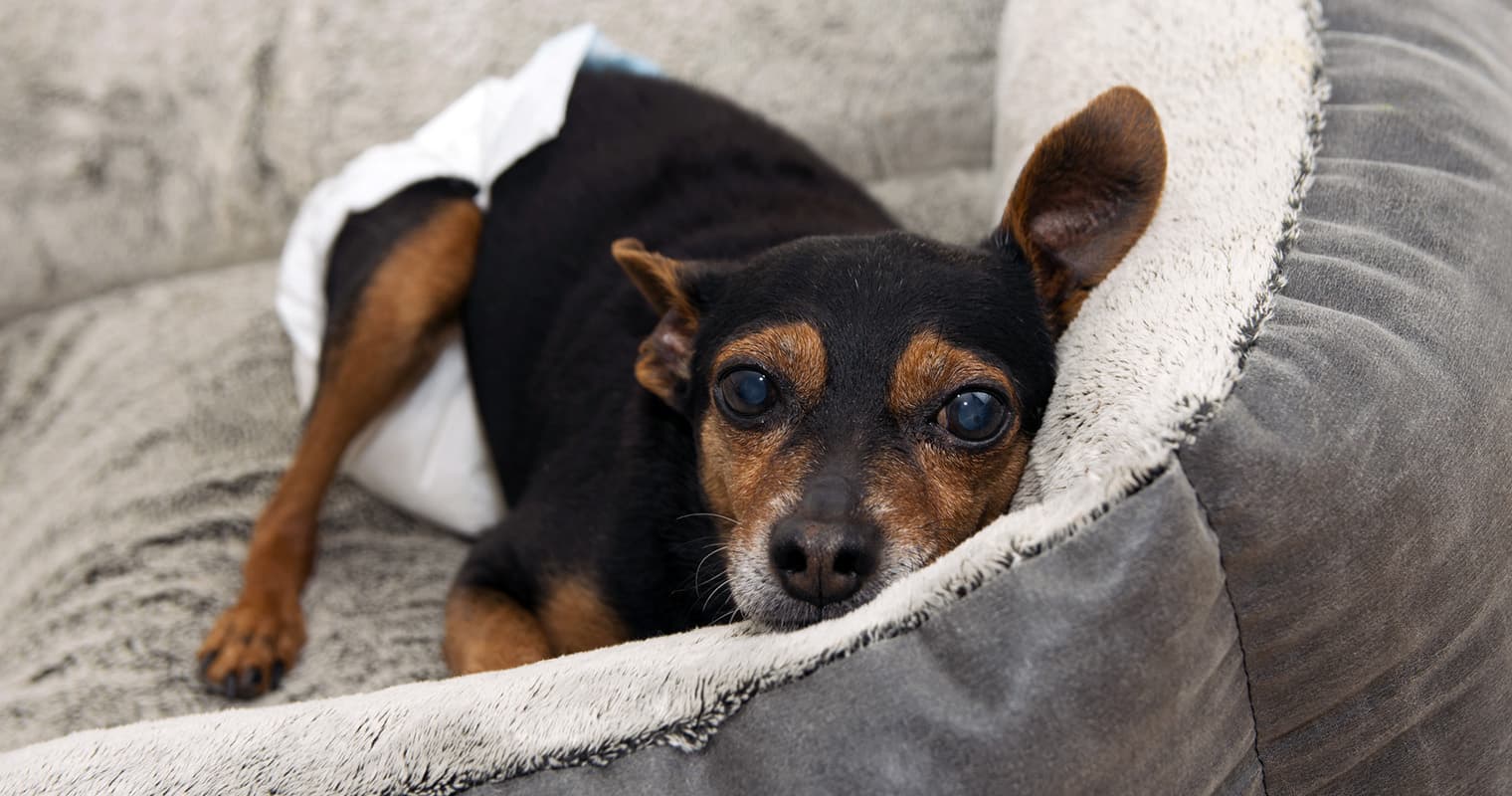
Yes, your dog peeing themselves can be frustrating, but they’re not doing this intentionally. Here’s what urinary incontinence may indicate — and what you should do.
Many pet parents live with aging dogs and those who suffer from incontinence for various reasons. This alone isn’t necessarily impacting the dog’s quality of life, and it’s a pretty easy situation to handle. Solutions could be as simple as installing a doggie door so your pet can go out whenever he needs or just taking him on more frequent walks.
Another option that works for busy pet parents is to purchase belly bands for male dogs and diapers for female dogs. Both reusable and disposable belly bands and diapers are available. While it may take a little getting used to, this is a simple way to deal with living with an incontinent pooch.

Kelly Villa is a freelance writer and contributor to various pet publications.

Behavior & Training

Behavior & Training
Behavior & Training
Behavior & Training
Make your pup a potty pro with these house training tips.

Behavior & Training
Behavior & Training

Behavior & Training
Learn effective methods to prevent and manage your dog’s marking behavior and how to redirect them to create a harmonious living space.
Adoption Advice
From avoiding behavior issues to preventing unwanted pups, there are several reasons why it makes a whole lot of sense.

Adoption Advice
Did you just bring home an adorable puppy?