How to Stop Your Dog’s Marking Inside
Learn effective methods to prevent and manage your dog’s marking behavior and how to redirect them to create a harmonious living space.
Learn effective methods to prevent and manage your dog’s marking behavior and how to redirect them to create a harmonious living space.
by Danielle Vrabel, CPDT-KA, expert review by Mia Nguyen, CPDT-KA, FFCP | June 26, 2026
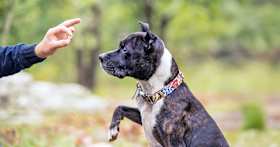
Zen Chung / Pexels
When a new dog moves into your home, it is not at all uncommon for them to feel the need to “raise the yellow flag” and claim their new territory as their own by marking it with some urine. Since many newly adopted dogs are already housebroken, this may just be a one-time incident — but it could be a recurring problem.
Knowing how to stop a dog from marking inside can be tricky. Luckily, there are a few simple “tricks” you can try to put a stop to that leg lifting or squatting. Read on for five tips about how to stop a dog from marking inside your home.
TL;DR: Your dog might be marking because of hormones, as a form of social communication, or they could be letting you know how they feel about that new couch (household changes are a huge trigger for urine marking). There are reliable ways to stop a dog from marking.
To dogs, marking is a natural behavior. Territorial marking allows your dog to set boundaries in their area. Marking also provides a lot of information to other dogs. The scent can give information about their age, sex, altered/ unaltered, healthy/sick etc. Unfortunately, marking can be a nuisance behavior to humans depending on where or when your dog is doing it. Many factors may cause your dog to mark.
The first step to help stop your dog from marking in the house is to determine why they are doing it. Start a log and note the times and locations of your dog’s marking habits. Is your dog marking in one spot or multiple spots? Do they mark only when alone or in front of you? Did they suddenly begin marking in the house when they previously weren’t?
Make a record so you can better assess the root cause. This also gives you a starting point when you reach out to your vet. Here are some possible reasons why dogs mark in the house:
Hormones: Studies show that unneutered or unspayed dogs are more prone to mark their territory, but neutering can reduce these marking behaviors by up to 72 percent.
Stress or anxiety: Dogs thrive on structure, so changes in their routine, being left alone, or feeling insecure can trigger marking.
Communication: Dogs use urine to say “this is mine” or “I was here,” especially if they sense other animals.
Environmental changes: Moving the couch, bringing home new furniture, or shifting around the room can spark marking in some dogs.
New additions: Another pet in the house (dog, cat, or even a visiting animal) can make them feel the need to mark.
Having visitors in your home may cause your dog to mark furniture. This change to your dog's environment may create anxiety or stress for your dog. New visitors may also bring different scents into the homes of other animals. Your dog may not like having their environment disrupted by a new visitor, especially one who smells like other dogs. Your dog may begin to mark territory to show that it is theirs.
Did your visitors bring another animal with them? When bringing another dog into your home, it is always a good idea to meet outside on neutral territory. I like to take my dogs on a walk with new dogs. I do not allow them to meet initially. We walk with enough distance that they can see each other but can not reach each other. I let one go first, and then the other follows, sniffing where that dog walked/ marked. Then, we switch positions and allow the other dog to walk first. This allows the dogs to get to know each other’s scent before meeting.
As the walk goes on, the dogs should get looser body language and become more calm walking near a new dog. It is best to let dogs meet on a loose leash, not a tight one. I recommend using a long line in this situation (be sure you are holding the end in case you need to separate the dogs).
Is your dog altered or unaltered? Dogs that have not been spayed or neutered may be more likely to mark territory. These unaltered dogs may have a stronger sense of territorial behavior that comes along with the hormones from still being intact.
Male and female dogs can mark, but male dogs are more likely to do so. Talk to your vet when would be the best time to spay/neuter your dog. Dogs can be spayed/neutered at any time, but as they get older, there are more chances of complications. If you spay/neuter around six months, your dog may stop some territorial marking once they are healed. Spaying and neutering does not always help; it depends on the reason your dog is marking.
Dogs thrive off stability and routine. A change in routine or their environment can cause anxiety or stress for your dog, which may cause them to begin marking. Environmental changes can be anything that causes your pup undue discomfort moving furniture around, moving to a new home, construction work happening outside, a new animal moving in next door, switching their food, etc.
If there is an environmental change, like moving, try to keep your dog’s routine the same — walk them and feed them at the same time. If you are starting a new job with different or longer hours, have someone come walk them when you normally would. For loud noises, you can play a sound machine to help drown out the sound. If you are bringing new furniture into the house, block it off from your dog for the time being. As you sit on the furniture, it will get your scent on it. Then you can slowly introduce it to your dog under supervision.
If you notice unusual marking and think your dog is stressed, seek the assistance of your veterinarian right away. Could there be an animal taunting your dog from the window? Did you add a new baby or pet to the home? Do your best to observe your dog. Are you noticing them acting any differently? When is the marking happening? What happened right before they marked? Is it always happening when you are out of the house? Stress can be detrimental to dogs, and trying to get your dog help right away is best. Your veterinarian will be able to point you in the right direction for treatment.
Certain breeds are more likely to mark than others. Dogs who are bred to use their nose for hunting, like Beagles, may be more prone to marking. It is always best to do your research before bringing a dog home. Looking into certain breeds and learning about them will help you pick the best companion to spend your life with.
Sometimes, indoor marking can’t be solved through training at all — it may be a medical issue. So if your dog suddenly starts marking, it’s best to check in with your vet right away.
Any unusual accidents are a red flag to bring your dog to the vet. Other red flags: if you notice your dog going pee more frequently, the urine has a funky smell, or they are marking or having accidents in the house. These unusual habits are cause for concern. Your dog may have an issue with their kidneys, a UTI, diabetes, bladder stones etc. Your vet will be able to do tests to help pinpoint any issues and help treat your dog.
If it seems impossible, don’t fret. Every dog can be house-trained.
Stopping a dog from marking in the house is a difficult task, but it can be done with patience. First, you will need to figure out why your dog is marking. Illness, stress, environmental changes, or breed can be some of the reasons. Very young puppies will not mark because they do not have the hormones in their body that tell their bodies to mark yet. If you have a very young puppy who is peeing in the house, they are more likely not potty-trained, and you will want to start potty-training techniques.
Even a dog who was fully housetrained in their prior home or foster home will need time to adjust to your schedule, including learning when and where to go to the bathroom in a brand-new environment.
Take Max. The first week the adult rescue dog was with his new parents, he didn’t have a single accident inside their home. But then he started peeing in their studio — the same room where he slept, ate, and stayed when he was home alone. But it also happened to be the spot where their last dog had accidents when she was sick. Even though Max was never left alone for more than two hours at a time outside of bedtime, and even though he was walked and played with regularly, he kept peeing inside. Sometimes, even immediately after he’d just been out. A frustrating experience for any pet parent.
But the key to stopping your dog from marking is prevention and supervision. And in Max’s case, two hours was too long. So if you’re not directly watching your pup, temporarily crate them or keep them gated off from the spots they were marking. At the beginning of your training, give your dog as many potty breaks as possible — don’t wait for obvious signs they’re about to mark. Just take them out often, on a schedule every 20 minutes or so. Reward them with high-quality treats and over-the-top praise every time they go outside.
In between trips outside, look for signs that your dog is getting ready to mark (sniffing around, lifting their leg, circling around, etc.) and interrupt them before they mark.
Neutering or spaying your dog can help with territorial marking. If you have a dog under a year old, spaying or neutering should help decrease the marking behavior. Once your dog is fixed, it may take a month or so to see the results. If your dog is older and has spent many years of their life marking, spaying and neutering may not help. It is dependent on the dog and the reason they are marking.
Take scent walks. They are a great way to encourage your dog to mark in appropriate places. Allowing your dog to fulfill natural dog behaviors in an appropriate way will help prevent them from repeating behaviors in an unwanted way. On a scent walk, you allow your pup to mark and sniff wherever they want. Not only does this type of walk allow them to mark, it allows them to engage in their natural searching behaviors, which will tire out their brains.
Allowing more frequent pee breaks can help prevent some marking, especially if it is due to an illness. Observe your dog when they are peeing outside. That way, you know if they went, can see if they are straining, or check if the pee is discolored or smells unusual.
Cleaning the area where marking happened is extremely important. When using a cleaner, be sure to use something that is ammonia free. Urine contains ammonia, so if you use a cleaner with ammonia, the spot will continue to smell, which tells your dog to continue to mark there. Be sure to treat any carpets and do your best to get rid of all of the urine. Blot up as much liquid as you can before treating it with a cleaning solution.
It is always important for a dog to be crate-trained. Crates are a great way to keep your house and your dog safe. If your dog ever has to spend any time at the vet, they will need to be in a crate. If your dog is not crate-trained, this will be another added stressor.
If your dog is already comfortable with being in a crate it will help them feel more comfortable while at the vet. Crate-training is also a great way to prevent unwanted accidents. Dogs do not typically pee where they sleep, so most dogs do not pee in their crates. If your dog is having accidents, placing them in the crate when you can not keep an eye on them will prevent them from peeing.
It may take some time for your dog to figure out what you’re after and that you want them to stop marking inside, but they will get there. For some dogs, training may be relatively quick and they may figure it out in a week or so, but other dogs may need strict supervision for longer. But that consistency and the big reward they get when they go outside will eventually motivate them. Here’s a quick guide.
If your dog is about to mark, interrupt them gently with a short but abrupt sound (Aarp!)
Quickly take them outside
Reward them with treats and praise if they pee. Skip the kibble or other low-value treat; instead, offer them something high-value, such as chicken or another low-calorie but highly smelly treat.
If after a few minutes they don’t pee, bring them back inside. Again, no punishments.
Repeat.
If you don’t completely get rid of the pee smell, your pup might keep marking their territory in the same spot.
Soak the area with a pet urine enzyme cleaner and let it fully dry.
If your home is humid or has wall-to-wall carpeting or upholstery, you can use a hair dryer to speed up the process after one day.
Do not allow your dog access to that area while it is drying.
If there is a removable carpet in that area (doormats are popular pee spots), put it outside.

Your new dog is going to sniff out every hazard in your house — here’s a room-by-room checklist to keep your new dog safe.
Training a dog — especially a puppy — can be overwhelming and takes some time, but many behavior issues have relatively simple solutions, and the advice of a good book, trainer, behaviorist, or veterinarian could help. Figuring out how to stop a dog from marking inside may take some time and patience, but it will be well worth it when you start to see results. Here are a few things you can consider.
Consider if there are other issues: Issues like marking can be exacerbated by a lack of training and discipline; pets need guidance to help them navigate the human world. Lack of training is the number one reason dogs end up in shelters and rescues.
Get help from a professional trainer: You could also try a local trainer who uses positive, humane training methods. Choose from a variety of training methods ranging from group classes to private, in-home lessons to board-and-train.
What if you’ve exhausted all these resources and still cannot get to the root of the problem? While we always want to find ways for you to work through behavior and training issues and keep your pet, but if you are struggling and have started thinking about rehoming your pet, consider Rehome by Adopt a Pet. It’s a peer-to-peer adoption service that allows pet parents to post their pets on Adopt a Pet to be seen by millions of potential adopters.
Typically, the main difference between marking and peeing is the amount. If a dog is going pee, there will be a significant amount of urine because they are emptying their bladder. If a dog is marking, there will be a small amount of pee.
If your dog is marking in one spot repeatedly, put your dog’s crate or bed on top of that “marking spot” or try to block the spot as much as possible. Some dogs will mark on their crate but not their bed. If the bed or crate stops your dog from marking, keep it in that spot for at least two weeks.
That’s exactly what Max’s parent did. They cleaned the studio floor with an enzymatic cleaner (non-negotiable to eliminate the smell) and put Max’s bed on top of the spot to stop him from marking there.
But if the bed or crate doesn’t work, you can try their food and water bowls; just remember to leave them there for two weeks.
To stop your male dog from peeing on everything, start by assessing his marking behavior and noting any patterns. Treat your dog as though he has not been house-trained and begin house-training him to redirect where you do want him to pee. Consider consulting a veterinarian to rule out medical conditions.
No, never punish your dog for marking in the house. In fact, punishment might exacerbate the marking. Positive reinforcement is a more effective training method than punishment or coercion.
Belly bands can be a useful training tool, but they do not address the root causes of why your dog is marking. They should not be a replacement for properly house training your dog. When in doubt, consult a trainer to see if a belly band can be a useful tool for your dog. The idea behind belly bands is that dogs are less likely to mark when they feel wetness against them.
When used correctly and for short periods of time, belly bands are not cruel. Belly bands should only be a temporary measure used in conjunction with training and only while supervised.
Belly bands should not be worn constantly; they should be changed every three to four hours or as soon as your dog soils them to avoid irritation. They also should not be worn when pet parents aren’t around to supervise so they don’t get caught on furniture or otherwise cause your dog harm.
Heath, Sarah. “A Commonsense Approach to The House-Soiling Dog.” Veterinary Nursing Journal, vol. 13, no. 6, Nov. 1998, pp. 204–205, https://doi.org/10.1080/17415349.1998.11012982. Accessed 2 Nov. 2020.
Macdonald, David. “Patterns of Scent Marking with Urine and Faeces amongst Carnivore Communities.” Symp. Zoo/. Soc. Land, no. 45, 1980, pp. 107–139, www.originalwisdom.com/wp-content/uploads/bsk-pdf-manager/2019/03/MacDonald_1980_PatternsOfScentMarkingWithUrineAndFecesAmongstCarnivoreCommunities.pdf.
“Dog Language - an Encyclopedia of Canine Behavior.” Dogwise, 2025, www.dogwise.com/dog-language-an-encyclopedia-of-canine-behavior/. Accessed 3 Oct. 2025.

Behavior & Training

Behavior & Training

Pet Wellness
Behavior & Training
Make your pup a potty pro with these house training tips.

Behavior & Training
Some dogs just need a bit of training and encouragement to help them overcome undesired behaviors.

Behavior & Training
Not all people are receptive to a dog showering them with attention by jumping on them. Here’s how to encourage your dog to curb this instinct, without losing their playful spirit.

Behavior & Training
Learn about the unique needs of dogs who’ve called the shelter home for too long.

Adoption Advice
Stray dogs often thrive in new homes, but proper preparation and patience are key to a smooth transition
Behavior & Training
Of course, you can. This guide will explain how.