Dog Coat Colors and Combos: From Classic Black to Bold Brindle
What makes a dog’s coat so unique? We explain the genetics behind everything from coat color to coat patterns, in a way that’s easy to understand.
What makes a dog’s coat so unique? We explain the genetics behind everything from coat color to coat patterns, in a way that’s easy to understand.
by Jackie Brown, | December 2, 2025

Wendy / Adobe Stock
Dog coat colors and patterns are diverse. Some are easily recognized, but others are extremely rare. Dog coat coloring is dictated by genes — the parts of a dog’s DNA that determine traits, including coat length, texture, color, and pattern. Read on to learn all about the most common dog colors and patterns.
Coat color genetics are extremely complex. Think of genes as the blueprint used to “build” a dog. All puppies are born with different genes and alternative forms of genes (called alleles) that determine how large they will grow, whether their ears stand up or flop over, what color their eyes will be, and what color and pattern appear on their coats.
Genes come in pairs: One copy is inherited from the mother, and one comes from the father. Some genes are dominant, and others are recessive. Dominant genes are the strongest. Dogs only need one copy of a dominant gene to express that trait, which makes dominant traits more common.
At the most basic level, dogs can carry genes for two types of pigments: dark color (eumelanin) or red color (phaeomelanin). The default dark color is black — the genes for black are dominant, making black the most common color found in dogs. The default red color is yellow or golden, but this pigment ranges from dark red to pale cream. Different genes can modify the basic pigment genes, leading to other colors and patterns, which we’ll explore below.

IonelV / AdobeStock
As mentioned, black is a dominant color, and it is the most common color in domestic dogs. Solid black is found in many different purebred dogs, as well as mixed breeds. Some dog breeds only come in solid black, including the Belgian Sheepdog, Black Russian Terrier, and Schipperke.

Black and white dogs have a solid black coat with white patches of color, which are caused by the white-spotting gene. The white-spotting gene can be present in dogs of any solid color or pattern. It can cause large, white patches of color or small, white markings, and everything in between. Some breeds who come in black and white include the Border Collie, Cocker Spaniel, and Newfoundland.

Imagebroker / Alamy Stock Photo
Brown is related to black, but brown is recessive. Brown dogs usually have brown noses, lips, eye rims, and paw pads. In purebred dogs, the breed standard refers to the color brown by other names, such as chocolate (in the Labrador Retriever) or liver (in the Flat-Coated Retriever). A few dog breeds only come in brown, including the American Water Spaniel, Boykin Spaniel, Sussex Spaniel, and Irish Water Spaniel.

Annabell Gsödl / AdobeStock
As with black-and-white dogs, brown-and-white dogs carry the white-spotting gene, which creates small, medium, or large patches of white in addition to the brown color. Some breeds who come in brown and white include the English Springer Spaniel, the German Shorthaired Pointer, and the Pointer.

Steve Bruckmann / Shutterstock
The gene called MC1R is responsible for the color yellow-to-red range of shades — it’s just a matter of how intensely the pigment is expressed by other genes. The range of hues in these dogs is quite expansive. On the lighter end of the spectrum are cream, buff, yellow, and golden, while dogs with deeper pigment appear fawn or tan. Famous gold and yellow breeds include the Golden Retriever and the yellow Labrador Retriever.

Mathias Reding / Pexels
That same gene is responsible for the red coat. To have a red, tan, or yellow coat, a dog needs two copies of the recessive version of the E locus (e/e). From there, the depth of pigment produced by that same MC1R gene creates the spectrum — dogs with the most intense expression show up as rich red. Some breeds known for their deep, fiery red color include the Irish Setter, Irish Terrier, Nova Scotia Duck Tolling Retriever, and Vizsla.

Petra Richli / AdobeStock
Black-and-tan dogs have a unique combination of genes that express two colors: black on the body and tan markings on the face, legs, and chest. Black-and-tan dogs often have tan “eyebrows” that contribute to an adorable expression on the dog’s face. Some popular breeds that come in black and tan include the Rottweiler, Doberman Pinscher, and Black and Tan Coonhound.
Yakov Knyazev / Stocksy
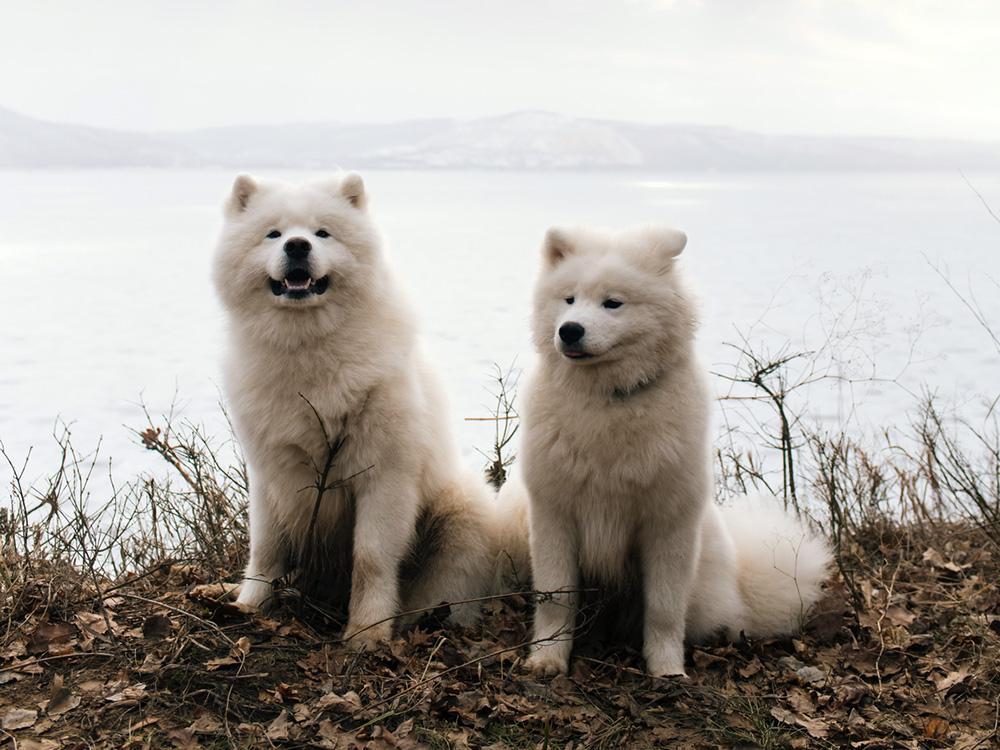
Dogs with the white spotting (or piebald) gene have white on their coats, but the amount of white depends on which specific white-spotting alleles they inherit. Some dogs have only small areas of white. Others might have large white patches or be almost completely white.
Other genetic pathways can produce an all-white coat. Some white dog breeds are genetically cream, yellow, or red, but modifiers affect the pigment in such a way that the coat appears white. Examples include the Samoyed and American Eskimo Dog. In certain breeds, such as the White Shepherd, specific gene variants unrelated to the piebald gene can also produce a solid white coat. Finally, some dogs are white due to albinism, which results from a complete lack of pigment. Albino dogs have pink skin and noses, and pink or very pale blue eyes.
Some colors appear less frequently than others. Some of these beautiful, rare dog colors are seen in specific breeds, but they can also occur in mixed-breed dogs.

Laura Vg / Pexels
Blue and silver coats are caused by different genes that dilute the intensity of the color black. Blue coats range from dark slate gray to light steel blue. A silver coat is sometimes just a shade of blue that’s so light it appears silver. Silver can also be caused by genes that lighten a black coat over time. For instance, silver Poodles are born black. Over time, the coat gradually fades to dark gray, then silver as the dog ages. This process typically takes a few years to complete. Other breeds who come in blue and silver include the Kerry Blue Terrier, Italian Greyhound, and Weimaraner.

Gundula Vogel / Pexels
Similar to blue and silver, lilac (called Isabella in some breeds) is caused by dilution genes that lighten the dog’s base pigment. Lilac occurs when brown pigment is lightened twice: first by the chocolate gene, and then by the dilution gene — resulting in a soft, warm-toned color that can appear slightly pinkish. “Lavender” is simply a descriptive term for very pale shades of lilac. This color is seen in Chihuahuas, Doberman Pinschers, and French Bulldogs.
Apart from color, dogs’ coats also come in many different patterns. Some dogs are solid colored, including the Black Russian Terrier, Irish Setter, and Labrador Retriever. But many other breeds and mixed breeds are patterned. Here are some of the most common patterns in dogs.

Jose Coello / Stocksy
The brindle pattern consists of alternating dark and light stripes, like a tiger’s coat. The base color of a brindle dog’s coat is typically red, tan, fawn, or cream. The darker stripes are black, brown, blue, or Isabella. Some breeds who come in brindle include the Boxer, Dutch Shepherd, French Bulldog, and Mastiff.

efrem efre / Pexels
The merle pattern, which is also called dapple, looks like swirls, blotches, or marbled patches of darker color on a lighter base coat. The lighter colors within the merle pattern are diluted versions of the darker color. Dogs can be blue merle or red merle. Some breeds who come in merle include Australian Shepherds, Border Collies, Cardigan Welsh Corgis, Dachshunds, and Great Danes.
Pixel-Shot / Shutterstock
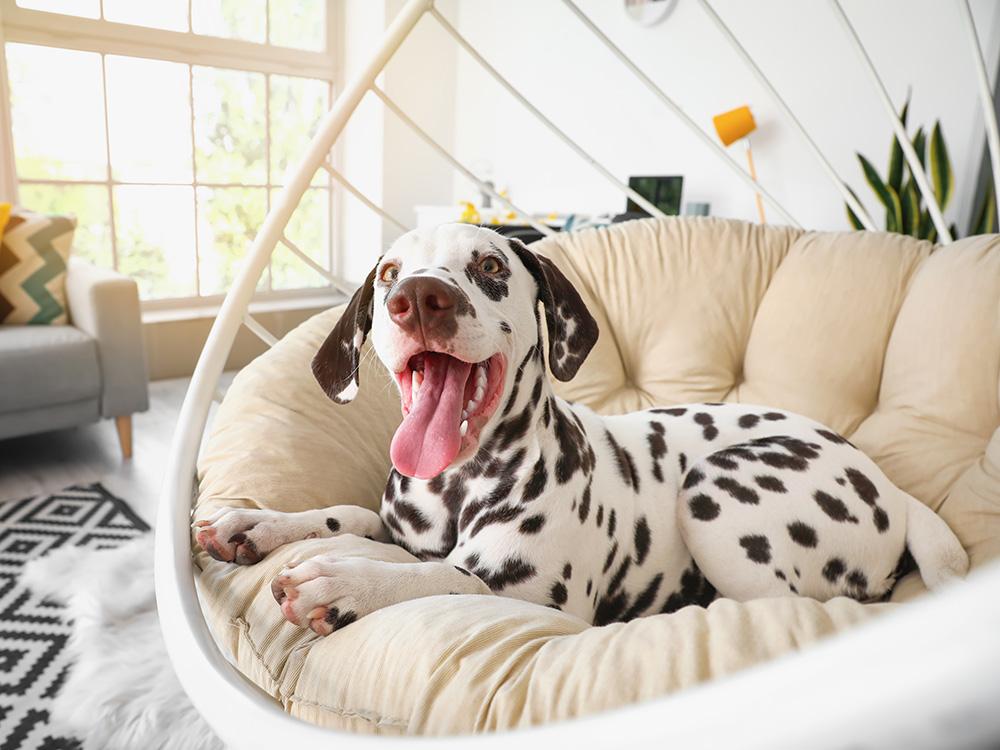
A spotted dog gets their pattern from a combination of white-spotting genes, such as the piebald gene. In some breeds, a ticking gene creates small, dark spots on a white background. The way spotting appears varies among breeds. The most famous spotted breed of all — the Dalmatian — has a unique spotting pattern. Dalmatian puppies are born solid white, and the spots begin to appear on the coat during the first few weeks of life.

Irukandji / AdobeStock
Ticking looks like small spots or freckles of dark color within white areas of the coat, creating an overall speckled appearance. Breeds who come in a ticked pattern include the Bluetick Coonhound, English Setter, and German Shorthaired Pointer.
Roaning is similar to ticking, but the specks of color are more evenly blended with the white hairs in the coat, making roaned dogs look more salt-and-pepper rather than freckled. Some breeds who come in roan include the Australian Cattle Dog and Wirehaired Pointing Griffon.

Tanya Tanya / AdobeStock
Bicolor dogs have two colors in their coat: white and another color, such as black and white, brown and white, or red and white, tan and white, blue and white, and lilac and white. Some bicolor patterns are called parti color when the dog has mostly white with colored patches, or piebald when the pattern is caused by specific white-spotting genes.

Josh Hild / Pexels
Tricolor means “three colors,” most typically black, white, and tan. Some breeds only come in the tricolor pattern, including Bernese Mountain Dogs and Greater Swiss Mountain Dogs.

Keit / AdobeStock
The sable pattern is caused by the agouti gene, which creates bands of lighter and darker colors on each hair shaft. Sable dogs have shaded coats: The base of the coat is usually light yellow, red, or cream, and the tips of the coat are dark black or brown. Sable looks a lot like a wild animal’s coat, such as that of a wolf or coyote. Some breeds who come in sable include the Belgian Malinois, Collie, and German Shepherd Dog.
Some colors and patterns are genetically linked to health issues, most commonly deafness, blindness, and skin issues. Not every dog will be affected, but it’s something to be aware of when you’re adopting a pet in these colors.
Merle: Dogs with the merle allele have an increased incidence of deafness and blindness due to microphthalmia (abnormally developed eyes). Although dogs with one copy of the merle allele can have hearing or eye issues, the risk is highest when dogs have two copies of the merle allele (called double merle or double dapple). Two merle dogs should not be bred together because there is a one in four chance that the puppies will be high-risk double merles.
White and extreme piebald: White or extreme piebald dogs can have partial or complete deafness because the lack of pigment affects inner-ear development. The unpigmented skin of these dogs also sunburns more easily, so they have a higher risk of skin cancer. White Dobermans have a specific genetic mutation similar to albinism that causes light sensitivity and an increased risk of skin tumors.
Dilute colors: Color dilution alopecia (CDA) is a skin condition seen in some dilute-colored dogs (most commonly blue or lilac/Isabella). It causes patchy hair loss and thinning, and sometimes itchy or scaly skin.
When looking for a dog to adopt, it’s natural to find certain colors more appealing than others, but color is really one of the least important considerations while choosing your next best friend. Color can, of course, be part of the equation. But the most critical characteristics to take note of are a dog’s size, energy level, grooming requirements, and most important of all: personality.
If you’re ready to adopt, start by thinking about your lifestyle and what kind of dog would actually fit into it — whose quirks and energy match your daily rhythm will make life smoother and way more fun than just picking based on looks alone.
A dog’s coat color does not affect their behavior unless the color is linked to a health condition that causes behavioral changes. Deafness or blindness can be associated with certain colors and patterns, including white, merle, and Harlequin (in Great Danes).
Yes, a dog’s coat color can change over time. Puppies might become lighter or darker as they shed their puppy coat and grow their adult coat. In adulthood, coats can lighten, and senior dogs often develop gray hairs, particularly on the face.
Yes, certain dog breeds are known for specific coat colors. Some breeds only come in one, two, or a few coat colors. Other breeds come in many different colors. Breed standards define which colors are “accepted” in each breed.
Ticking and merle are different coat patterns. Ticking looks like small, freckle-like spots of dark color within white areas of the coat. Merle, which is also called dapple, creates swirls, blotches, or marbled patches of darker color on a lighter base coat.
The sable coat pattern is a result of the agouti gene, which causes bands of color on each hair shaft. In sable dogs, the color is lighter at the base of the coat (typically yellow, red, or cream) and darker at the tips of the coat (usually black or brown). This creates a shaded appearance, similar to a wolf’s coat. The amount of shading varies, from light tipping to very dark shading.
Red and brown are quite different because they are produced by different pigments. Phaeomelanin creates red-based colors, while eumelanin creates black pigment, which can be modified to appear brown. Because of this, brown is genetically more closely related to black than to red. Red dogs show a wide range of shades, including deep red, copper, gold, yellow, tan, fawn, and cream.
Dogs get their coat colors and patterns from the genes they inherit from their parents. The specific genes they carry — and the way those genes interact with each other — determine a dog’s final colors and patterns.
Coile, Caroline. “Merle in Dogs: The Science behind This Unique Coat Pattern.” American Kennel Club, 1 Nov. 2022, www.akc.org/expert-advice/dog-breeding/merle-in-dogs.
“Color Dilution Alopecia in Dogs | VCA Animal Hospitals.” Vca, vcahospitals.com/know-your-pet/color-dilution-alopecia-in-dogs.
Cotton, Julia F. “Dog Coat Color and Type | Veterinary Genetics Laboratory.” Vgl.ucdavis.edu, 28 Jan. 2020, vgl.ucdavis.edu/resources/dog-coat-color.
“Dog Coat Color - Basic Panel (All Breeds) | Veterinary Genetics Laboratory.” Ucdavis.edu, 2024, vgl.ucdavis.edu/panel/dog-coat-color-basic-panel.
News, PVM. “Is Your Dog Hiding Its True Colors? PVM Researchers Provide Answers.” College of Veterinary Medicine, Nov. 2019, vet.purdue.edu/news/is-your-dog-hiding-its-true-colors-pvm-researchers-provide-answers.php.
Team, Wisdom Breeder. “Understanding Dog Colour Genetics.” MyDogDNA, 6 Dec. 2024, mydogdna.com/blogs/news/understanding-dog-colour-genetics.
Wood, Trina J. “Dog Coat Patterns Have Ancient Origin.” UC Davis, 12 Aug. 2021, www.ucdavis.edu/curiosity/news/dog-coat-patterns-have-ancient-origin.
Jackie Brown lives in sunny Orange County, CA, where she works as a freelance writer and editor. When she’s not on deadline, you can find her paddling her outrigger canoe in the Pacific Ocean or hiking in the foothills with her miniature poodle and two young boys.
Breed Info

Breed Info

Adoption Advice

Breed Info
Looking for a dog who rocks a clean, all-white coat? These dogs serve up style, fluff, and serious snowball energy.
Adoption Advice
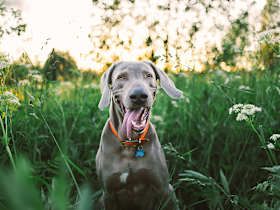
Here are a few of the best gray names for dogs.

Breed Info
These dogs turn heads everywhere they go — just be ready to brush (a lot).
Adoption Advice
So, you’re thinking about adopting a deaf dog? Here are some helpful tips and information to help you find, adopt, and care for these loving, loyal pups.

Breed Info
A breakdown of the most common doodles — and how to find the right one for your lifestyle.
Adoption Advice
Got a pup with those cool, unique tiger-ish stripes? Here are many, many monikers that will do justice to the badass Brindle vibe.

Breed Info
It’s time to separate fact from fiction when it comes to white Boxers’ temperament and health.

Breed Info
Meet the dog breeds who got their start on American soil.