Dogs That Look Like Huskies: Top Look-Alike Breeds
If you love Huskies, but they are too high-energy or too big (or small) for you, here are some other breed options worth exploring.
If you love Huskies, but they are too high-energy or too big (or small) for you, here are some other breed options worth exploring.
by Jackie Brown, | March 31, 2026

Mary H. Swift / Alamy
The gorgeous Siberian Husky is certainly an attention getter. Bred to pull sleds over snowy and icy terrain, Huskies have boundless energy, incredible endurance, and seemingly never get cold. Swift and graceful on their feet, Huskies move with effortless grace.
Huskies have been invaluable working dogs for thousands of years. The ancestors of the modern Siberian Husky were originally developed by the Chukchi people in northeastern Siberia. By the early 1900s, Siberian Huskies were being imported to Alaska, where they were refined into the breed recognized today.
The Husky’s wild, wolf-like appearance often draws admirers who might not know much about the breed. Although Siberian Huskies are amazing dogs, their extremely high energy means they are best suited for people who want to do a lot of outdoor activities and exercise with their dog. If you like the look of the Husky, check out these look-alike breeds to find one who fits your lifestyle.
Siberian Huskies are intense dogs with extremely high energy, which presents challenges in many typical pet homes.
Most people interested in the Husky are drawn to their wild, wolf-like appearance.
If you love Huskies but want alternatives, several look-alike breeds have a similar appearance with less intense energy.
What is it about that Siberian Husky look that makes them so appealing? Huskies are a subset of domestic dogs known as Northern breeds. This collection of breeds originated in cold, snowy, northern geographic regions and developed physical traits that helped them survive harsh climates.

What makes a dog’s coat so unique? We explain the genetics behind everything from coat color to coat patterns, in a way that’s easy to understand.
Here are some key physical traits that stand out in Huskies.
Coat and color: A Husky has a medium-length, thick double coat with colors like black, gray, agouti, sable, red, or white — with or without white markings. The coat appears thinner in the warm summer months when Huskies shed their undercoats.
Eyes: The Husky’s almond-shaped eyes are often blue, but Huskies can also have brown eyes, one of each color, or even parti-colored eyes (blue and brown in the same eye).
Ears: The Husky’s well-furred, upright, triangular ears are slightly rounded at the tips.
Tail: The Husky has a furry, fox-brush-shaped tail that curves over their back.
Muzzle: The Husky’s medium-width muzzle tapers gradually to the nose, with the tip neither pointed nor square.
These Northern breeds are similar to Huskies in looks, personality, or both. In terms of size, the Siberian Husky is a medium breed (weighing 35 to 60 pounds). Some of the breeds below are smaller, some are larger, and some are medium-sized dogs like Huskies.
monicore / Pixabay
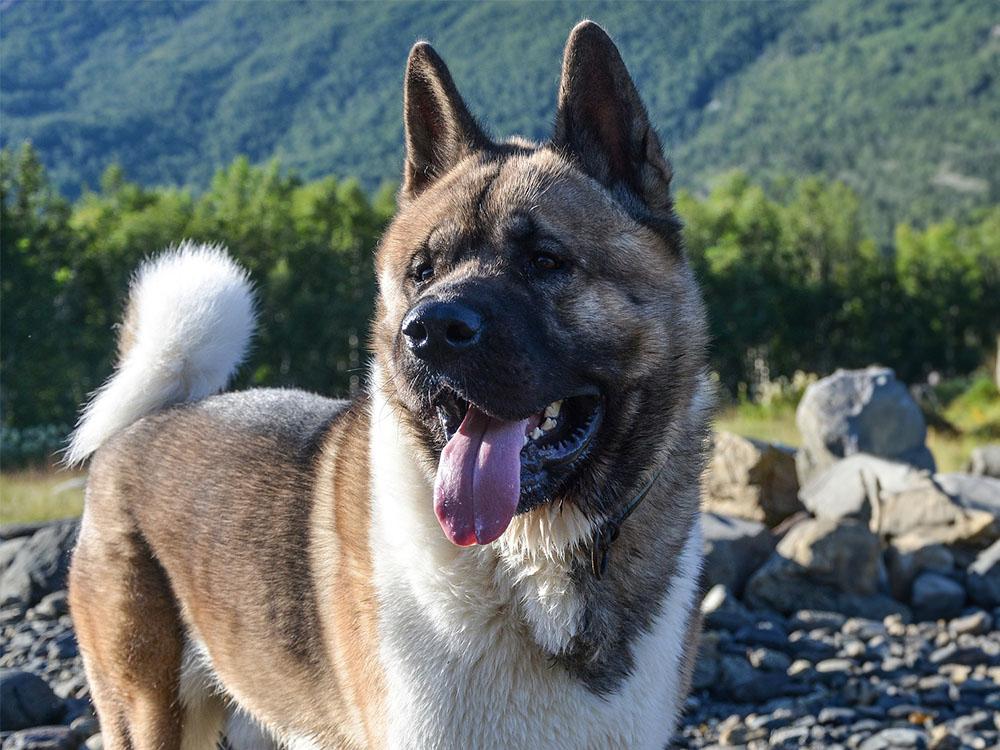
The Akita is a Northern breed from Japan, where they have been prized for centuries for being a hunting dog, guard dog, and companion. Akitas share some similar physical traits with Huskies, including the thick, double coat, their upright, triangle-shaped ears, and a large, full tail curved over the back. Weighing 60 to 121 pounds, Akitas are much larger than Huskies, but they are calmer and require significantly less exercise. Naturally wary of strangers, they need extensive socialization in puppyhood to feel comfortable meeting new people.
How they compare: Akitas have a similar appearance but are less energetic and more aloof than Huskies.
Height: 24 to 28 inches
Weight: 60 to 121 pounds

Valmedia / Alamy
The Alaskan Husky is not a purebred dog, but a crossbred type of sledding dog. Many different breeds were used to create Alaskan Huskies, including Northern breeds (Siberian Huskies, Alaskan Malamutes), as well as hunting breeds (such as Pointers), and even sighthound breeds (such as Salukis). Dogs used in the Alaskan Husky breeding programs are selected strictly on performance — their working ability as sled dogs — with breed being of little concern. For this reason, the appearance of Alaskan Huskies varies widely. They have just as much energy as Siberian Huskies, which can make them challenging to live with in pet homes.
How they compare: Alaskans can have a similar appearance and are highly energetic, like Siberians.
Height: 20 to 26 inches
Weight: 35 to 65 pounds

ktay21 / AdobeStock
The Alaskan Klee Kai breed was developed in Alaska in the 1970s. The breed’s founder envisioned a small-sized Husky with similar traits to their larger relatives, but with a temperament better suited for a pet dog rather than a working dog. Weighing just six to 25 pounds, the Klee Kai looks like a Husky in miniature. They are active and up for almost any adventure, but their moderate energy levels make it easy to provide enough daily exercise to keep them happy. The Alaskan Klee Kai became part of the American Kennel Club Miscellaneous Class in June 2025.
How they compare: The Klee Kai is a smaller, moderate-energy dog with a similar Husky appearance.
Height: 12 to 17 inches
Weight: 12 to 24 pounds
Bo Bo / Stocksy
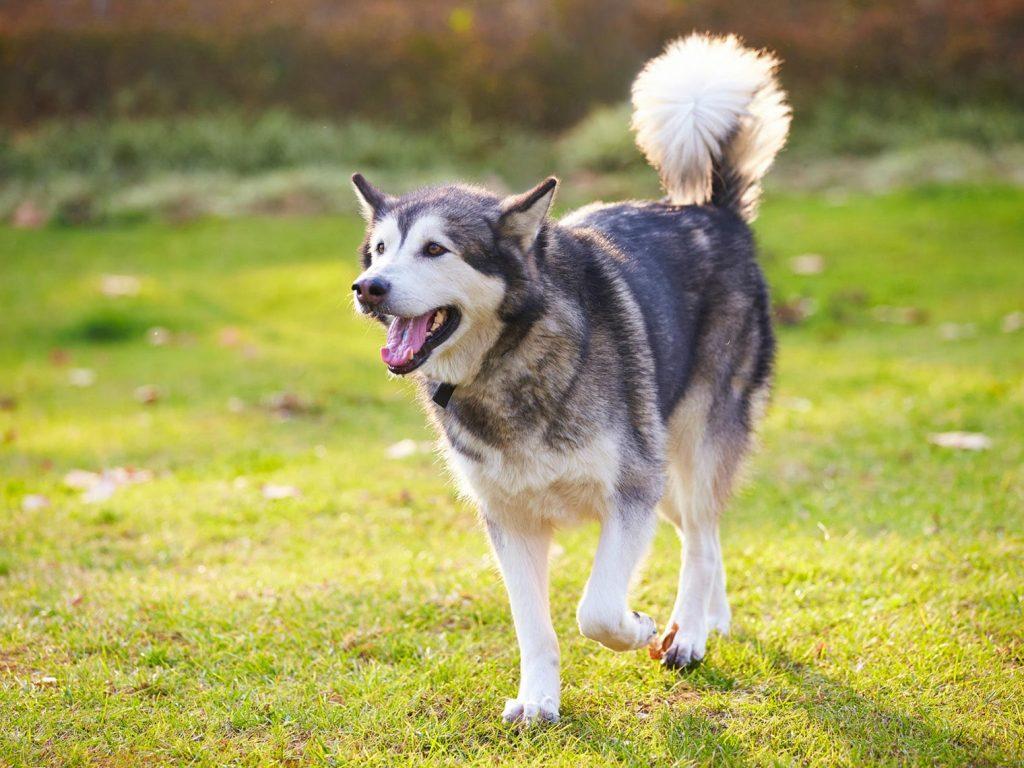
At first glance, the Alaskan Malamute might be mistaken for an oversized Husky (they weigh 75 to 85 pounds), but the two breeds are totally different. Both have long been used in packs as arctic sled dogs. Siberian Huskies move fast but pull lighter sleds. The larger, heavier-boned Alaskan Malamute can haul larger loads for long distances, but with less speed. Like Huskies, Malamutes have high exercise needs and thrive when they have a job to do.
How they compare: Malamutes are a large Husky look-alike with high energy needs.
Height: 23 to 28 inches
Weight: 61 to 105 pounds
Cameron Archibald / Shutterstock
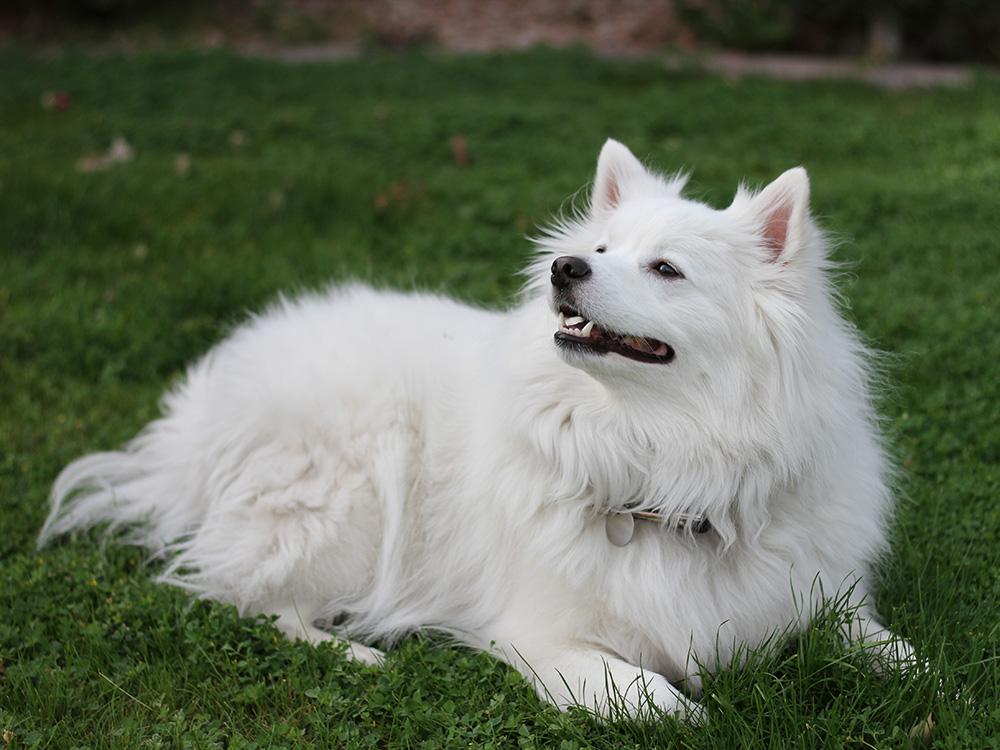
The breed name might have you envisioning dogs raised in igloos, perhaps in Alaska, but the American Eskimo Dog has nothing to do with the indigenous Arctic peoples formerly known as Eskimos. The breed was developed in the American Midwest from a small, all-white German breed called the German Spitz, brought to the United States with German immigrants in the late 1800s. The friendly, affectionate American Eskimo Dog is athletic, but compared to a Husky, it’s easier to provide the exercise they need because they are so much smaller (six to 35 pounds).
How they compare: American Eskimos are much smaller, moderate-energy dogs compared to Huskies.
Height: 9 to 19 inches
Weight: 16 to 30 pounds

Jeanette / Adobe Stock
If you like the look of a larger, fluffy Northern breed, but you’re not prepared to provide hours of exercise and training, the Eurasier might be the breed for you. Eurasiers were developed in Germany in the 1960s and 1970s to create a breed who was wolf-like in looks, but is an adaptable, calm family companion. At 40 to 66 pounds, they are similar in size to Huskies. Though Eurasiers love joining you on any adventure, they are content with moderate exercise each day. They are well-behaved, clean house dogs and great family pets.
How they compare: Eurasiers are similar to Huskies in size and appearance, but with lower energy levels.
Height: 19 to 24 inches
Weight: 40 to 70 pounds
PavelRodimov / iStock
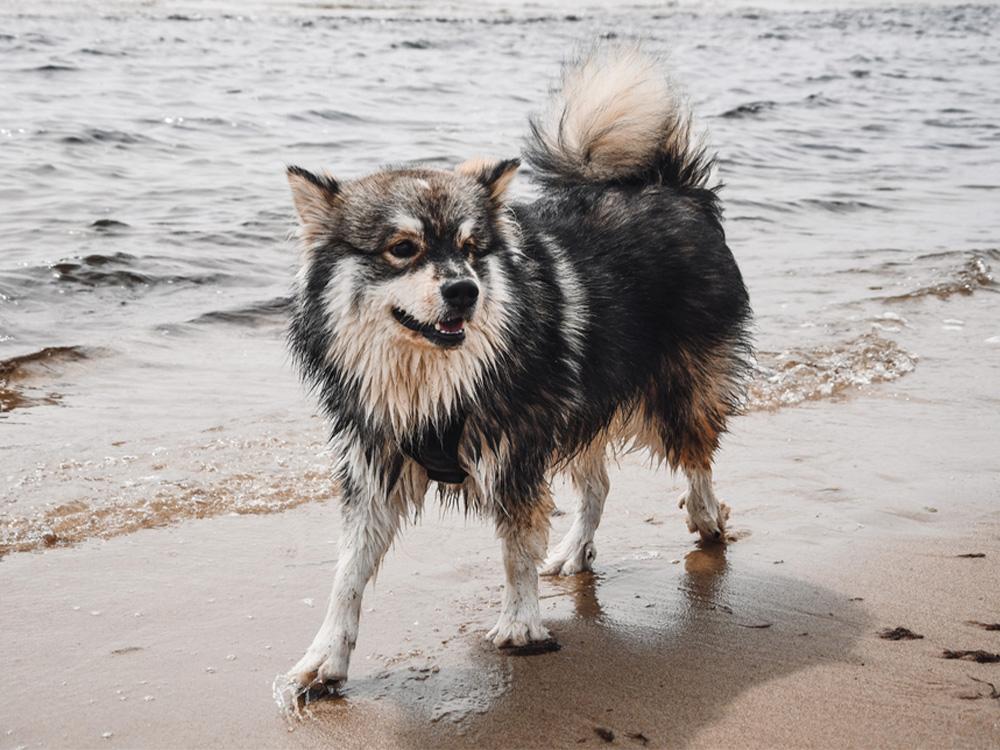
The Finnish Lapphund shares the look of the Northern breed with the Husky, but they are quite a bit fluffier with a longer, more profuse coat. Weighing 33 to 53 pounds on average, Finnish Lapphunds are about the same size as Huskies. For centuries, the nomadic Sami (or Lapp) people used Finnish Lapphunds to herd reindeer in an area north of the Arctic Circle known as Lapland. Finnish Lapphunds are calm, loving pets who need only moderate daily exercise. The breed is rare in the United States, but very popular in Northern Europe, especially in Finland.
How they compare: The Finnish Lapphund is a small Husky look-alike with moderate energy needs.
Height: 16 to 21 inches
Weight: 33 to 53 pounds

Melanie DeFazio / Stocksy
The Keeshond comes from the Netherlands, where they had a unique job as barge dogs and guard dogs, protecting goods as they were transported throughout the nation’s many rivers and canals. Today’s Keeshond has a much simpler job: beloved family pet. Weighing just 35 to 45 pounds, the Keeshond is a bit smaller than the Husky, though their very thick, fluffy coat can make them look bigger than they are. The breed is lively and needs daily exercise, but not anything close to the activity needs of a Husky.
How they compare: The Keeshond shares a similar Husky-like appearance but with moderate energy needs.
Height: 17 to 19 inches
Weight: 28 to 60 pounds

The Norwegian Elkhound looks like a slightly larger, less fluffy version of the Keeshond, but these two breeds originally served very different roles. The Norwegian Elkhound, who hails from Norway, was originally a moose-hunting dog — a challenging and dangerous endeavor that required a tough, powerful, brave dog. The Norwegian Elkhound has a strong prey drive and high energy levels, though they need somewhat less exercise than Huskies. They need extensive socialization and can be challenging to train, so they are best suited for experienced dog parents.
How they compare: The Norwegian Elkhound has a similar appearance and high energy requirement like the Husky.
Height: 18 to 21 inches
Weight: 35 to 70 pounds

Like the Finnish Lapphund, the pure-white Samoyed originated in the Arctic North, specifically Siberia, where they were used by the nomadic Samoyedic people to herd reindeer and pull sleds. Today’s Samoyed is a cherished family pet beloved for their gentle, social personality. At 35 to 65 pounds, the Samoyed is comparable in size to the Husky, but the Samoyed’s fluffier coat can make them appear slightly larger. They enjoy participating in outdoor activities with the family, but only need moderate daily exercise to thrive.
How they compare: A similar-sized, moderate-energy dog when compared to a Husky.
Height: 18 to 22 inches
Weight: 37 to 70 pounds

With their short legs and long body, the Swedish Vallhund might not look so much like a Husky at first glance. (It’s speculated that the ancestors of this Scandinavian Northern breed were mixed with Corgis from the British Isles during the time of the Vikings.) In Sweden, the Vallhund was not a sled dog, but a valuable cattle herder and farm dog. At 20 to 35 pounds, Vallhunds are much smaller than Huskies. These friendly family dogs can have a lot of energy, but it’s simple to provide the exercise they need thanks to their shorter legs and smaller size.
How they compare: Swedish Vallhunds are smaller yet still high-energy dogs like Huskies.
Height: 12 to 14 inches
Weight: 20 to 36 pounds

BarTa / AdobeStock
Visit your local animal shelter or browse available dogs on rescue websites — you’re sure to find Husky mixes of all shapes, sizes, and colors. Some of these might look and act a lot like Siberian Huskies. Others might be a great combination between the Husky and one or two other breeds. Each Husky mix is a unique individual, with their own personality, appearance, and care needs.
Size: Mixed breeds can have similar appearances, temperament, and energy-levels as purebred Siberian Huskies.
Height: 15 to 26 inches
Weight: 20 to 65 pounds
If you love the look of a Husky, but their high-demand exercise and training needs don’t fit well with your lifestyle, a Husky look-alike could be a great choice for your next pet. Keep in mind that some dogs who look like Huskies may (or may not) have just as much energy as they do. The key is to find a dog who fits your own energy levels and lifestyle.
Tons of Husky look-alikes are sitting in shelters and rescues right now. Any person searching for their new best friend should know that there is a pet out there who is the right fit for them and can’t wait to settle into their new forever home. Each mixed-breed dog will be unique, so always chat with the shelter or rescue staff to get a good idea about a dog’s energy level, daily exercise needs, and specific personality. Choosing a dog whose temperament and activity level align with your own is the number one way to end up with a happy, lasting match.
Start your search on Adopt a Pet, where you can filter pets by age, color, breed, and more.
Alaskan Klee Kai Club of America. www.akkcoa.org.
“Alaskan Klee Kai.” American Kennel Club. https://www.akc.org/dog-breeds/alaskan-klee-kai.
“American Eskimo Dog.” American Kennel Club. https://www.akc.org/dog-breeds/american-eskimo-dog.
New England Alaskan Malamute Association. https://neaa.net.
Samoyed Club of America. https://www.samoyedclubofamerica.org.
“Siberian Husky.” American Kennel Club. https://www.akc.org/dog-breeds/siberian-husky.
“Siberian Husky Breed Standard.” American Kennel Club. https://images.akc.org/pdf/breeds/standards/SiberianHusky.pdf.
U.S. Eurasier Club. https://www.useurasierclub.org.
Jackie Brown lives in sunny Orange County, CA, where she works as a freelance writer and editor. When she’s not on deadline, you can find her paddling her outrigger canoe in the Pacific Ocean or hiking in the foothills with her miniature poodle and two young boys.