Labrabull: What to Know Before Adopting
Loyal, playful, and full of heart, this pup blends Lab friendliness with Pit Bull spirit — a true people-pleaser with energy to spare.
Loyal, playful, and full of heart, this pup blends Lab friendliness with Pit Bull spirit — a true people-pleaser with energy to spare.
by Kelly Villa, | October 16, 2025

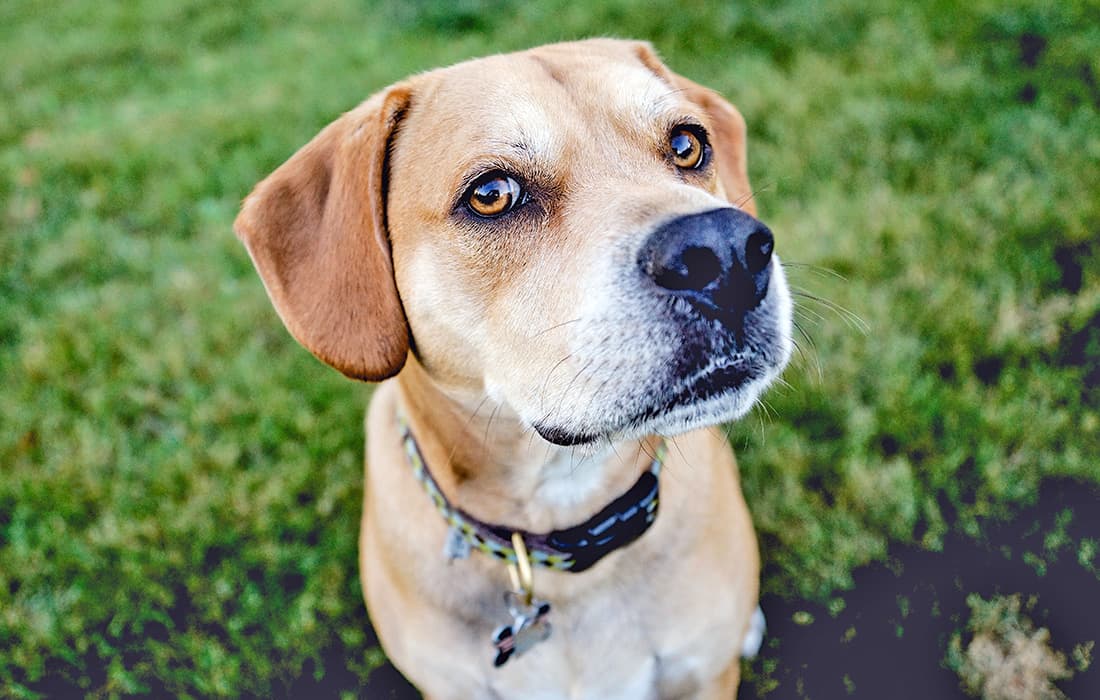
A Labrabull is a mixed breed dog — a cross between a Labrador Retriever and a “Pit Bull” (often an American Pit Bull Terrier, American Staffordshire Terrier, or some other blocky-headed breed). One look into the Labrabull’s warm, expressive eyes shows this breed is pure love.
This mix is a medium-sized, loyal, and sweet-natured pup who will as happily join in on a jog in the park as a cuddle on the couch (though you might need to tucker them out first). Also called Pitadors, these famously friendly pups are commonly found at animal shelters and dog rescue groups and will be overjoyed to join your family. Read on for everything you need to know about Labrabulls.
TL;DR: The Labrabull is a high-energy, affectionate, and intelligent dog who can make an excellent companion for active families or individuals. As with any mixed breed, the specific traits of a Labrabull will vary depending on the individual dog, but in general, they are likely to be friendly and energetic with a strong bond to their pet parents.
Mike / Adobe Stock
All dogs can be good dogs with the right pet parent, and mixed breed dogs like Labrabulls are no exception. Here are a few reasons why they make great pets.
Big and strong: Labrabulls range in size from medium to large, depending on the specific traits they inherit from their Labrador and Pit Bull parents. On average, these muscular dogs will stand between 17 and 24 inches at the shoulder and weigh 40 to 80 pounds.
Colors and textures: Labrabulls come in a wide variety of colors, reflecting the range seen in both Labradors and Pit Bulls. Some common color variations include black, yellow, chocolate brown, brindle, and tri-colored. Their coats can be solid, or they might have markings or patterns, such as patches of color around their eyes or chest.
Active and energetic: This mixed breed is likely to be friendly, energetic, and playful. They’ll most likely be happiest in an active family with experienced pet parents who can offer consistent training and positive reinforcement.
Athletic and sporty: Labrabulls are likely to be fast, athletic dogs, thanks to the energy and speed from their Labrador and Pit Bull backgrounds. They are well-suited for activities such as fetch, agility training, and jogging.
Affectionate companions: Labradors and Pit Bulls have loving and loyal natures, making them great companions. Labrabulls, too, will bond closely with their pet parents and enjoy being part of the family. Expect these pups to be people-oriented dogs who seek attention and affection.
Intelligent minds: These mixes inherit intelligence from both their Labrador and Pit Bull parent breeds, both of which are quick learners who are eager to please. Labrabulls tend to pick up commands, tricks, and tasks fairly quickly, especially when training is consistent and engaging. That said, sometimes they can also be a bit independent or strong-willed at times so consistent, positive reinforcement is key to keeping them focused and well-behaved.
Labrabulls have plenty of great qualities, but it’s important to consider their personality and needs to see if they’re the right fit for your lifestyle.
Labrabulls usually have short to medium coats and sometimes a double coat. They’re easier to manage than long-haired or super thick-coated breeds, but you can still expect a moderate amount of shedding.
They tend to shed year-round, with a bit more during seasonal changes, especially in the spring and fall, when they shed their undercoat. Regular brushing can help manage the shedding by removing loose hairs and keeping their coat healthy. A good brushing session once or twice a week should be enough to keep shedding under control and reduce the number of loose hairs around your home.

Rafael Shiga / Unsplash
While their athletic nature can be a bonus, these high-energy dogs will need regular physical and mental stimulation to stay happy and healthy. A Labrabull needs about one to two hours of exercise each day. Regular walks, typically totaling 30 to 60 minutes, are essential to help burn off energy and provide some outdoor time.
In addition to walks, they enjoy active play, such as fetch, tug-of-war, or running around in the yard. They thrive in environments where they get plenty of exercise, whether it’s going for runs, playing fetch, or engaging in other activities. If you’re a runner, a Labrabull can make an excellent running partner, as they have the stamina for longer outings.
Mental exercise is just as important — these dogs are intelligent and enjoy training sessions, puzzle toys, or dog sports that challenge them mentally. If they don’t get enough exercise, they may become bored or develop undesirable behaviors, such as excessive barking or chewing.
Since both Labradors and Pit Bulls can have stronger prey drives, some Labrabulls may be more inclined to chase smaller animals like cats, especially if they haven't been raised around them.
Many Labrabulls do get along well with cats, especially if they’re introduced gradually and positively. Early socialization is key; if they’re exposed to cats in a controlled environment while they’re still puppies, they’re more likely to grow up to peacefully coexist. Proper training and supervision are important, too, especially during the first interactions.
If you already have a cat and are considering adopting a Labrabull, it’s a good idea to introduce them slowly, keeping the dog on a leash during the initial meetings and giving the cat a safe space to retreat to. With patience, many Labrabulls can live peacefully with cats in the same household. It really just depends on the individual dog’s temperament.

Dominik Michalowski / Shutterstock
Unlike some shorter-coated breeds, Labrabulls will require grooming, but (thankfully) their grooming needs are low-maintenance. Brushing their short to medium-length coats once or twice a week is a good idea to remove loose hair and reduce shedding around the house.
In addition to brushing, Labrabulls will benefit from occasional baths to keep their coat clean and healthy. How often you bathe them depends on their activity level and how dirty they get, but every six to eight weeks is usually enough. It’s also important to regularly trim their nails, especially since active dogs can wear them down unevenly. Regular ear checks and teeth brushing are also recommended to maintain overall health.
Labrabulls are not hypoallergenic — they shed dander and hair, which can cause allergic reactions in sensitive individuals. Even though they have short coats, they also produce allergens in their dander, saliva, and urine, which can trigger allergies for some people. If you or someone in your household has allergies, spend time with a Labrabull before bringing one home for good.

What you don’t want to do is force them to get used to their crate. Here’s what you should do.
While Labrabulls aren’t excessive barkers, like any dog, they will most certainly bark. They tend to alert you to something going on, but not constantly — unless something’s going on with them. If they’re bored, anxious, or not getting enough attention, they might bark more, but overall, Labrabulls are usually pretty well-behaved. Like all dogs, receiving regular exercise, mental stimulation, and attention from their dog parents will help keep their barking in check.
Adopting a Labrabull can be a deeply fulfilling experience, allowing you to welcome a loving, energetic dog into your life while making a positive impact on the community. The easiest way to adopt a Labrabull is through a rescue group that specializes in the breed. You can start by doing a breed search on Adopt a Pet. The search will show you all the available Labrabulls in your area.
The main difference between a Labrador and a Labrabull lies in their breed composition and traits. Both breeds are affectionate, loyal, and need plenty of exercise, but a Labrador is a purebred dog while a Labrabull is a mixed-breed dog.
Labradors tend to be friendly, social, and highly trainable, with a strong, athletic build. They are typically medium to large in size and make excellent family pets.
The Labrabull may share many of the Labrador’s positive traits while also having a more muscular, compact build due to the Pit Bull influence. A Labrabull may also display stronger protective or independent behaviors than a Labrador. Labrabulls are also high-energy and intelligent but may require firmer training, as they can inherit a bit more stubbornness or territoriality from the Pit Bull side. Labrabulls might also be more spirited or independent compared to the easygoing nature of Labradors.
Yes, a Labrabull is technically a mutt, as it is a mixed breed dog. “Mutt” is a term for a dog who isn’t purebred and has a mix of different breed traits. There are advantages to being a mutt; mixed breeds can inherit the best qualities of both parent breeds. They can often be very healthy and well-adjusted, as they may inherit a more diverse gene pool than purebreds. Mutts can make wonderful, loving pets.
The life expectancy of a Labrabull is 10 to 14 years, though each individual dog’s lifespan will vary based on genetics, overall health, diet, exercise, and quality of veterinary care.
Labrabulls can get along well with other dogs, but it depends on their individual temperament, early socialization, and training. Both Labradors and Pit Bulls can be social and friendly, so a Labrabull can be a good companion to other dogs if properly introduced and raised around them. If you’re introducing a Labrabull to other dogs, it’s best to do it gradually and under supervision, particularly if you're bringing in a new dog to a home with an established Labrabull.
Labrabulls, Pit Bull mixes, and Labrador mixes can be great with kids. They tend to inherit the friendly and gentle nature of Labradors, along with the loyalty and affection of Pit Bulls. Most Labrabulls are patient, social, and enjoy being around family members, including children.
However, because they’re energetic and strong, it’s important to supervise interactions with younger kids, especially if the dog is still growing and learning how to control their energy. A Labrabull’s playful nature might sometimes be overwhelming for small children, so teaching them both how to interact respectfully can make the relationship even better.
Overall, with proper socialization, training, and supervision, Labrabulls can form strong bonds with kids and make wonderful family pets. Remember that all dogs have their own unique preferences and personalities (just like people).

Kelly Villa is a freelance writer and contributor to various pet publications.
Breed Info

Behavior & Training

Pet Wellness

Behavior & Training

Breed Info
If you love being outside and are looking for a pup who’ll share in that enthusiasm, check out these dogs who are happiest when they’re active.
Breed Info
There’s a reason the Queen of England was a huge fan of Corgis. And their mixes are no less obsession-worthy.

Breed Info
From Border Collies to Golden Retrievers — we’ll point you toward the breeds who excel in obedience.

Behavior & Training
Is your dog staring you down while you eat? Learn when and how to set boundaries.

Adoption Advice
Deliberating between the two? One is more affordable, comes with fewer health issues, and saves a life.