Thinking About a Large Dog? Here’s What Big Dogs Actually Need to Thrive
Let’s talk logistics, lifestyle, and if your couch is ready for their size.
Let’s talk logistics, lifestyle, and if your couch is ready for their size.
by Danielle S. Tepper, | February 3, 2026

fx-visual / Adobe Stock
From Labrador Retrievers, German Shepherds, and Great Danes to Mastiffs, St. Bernards, and Irish Wolfhounds, big dogs are popular because they’re often handsome, huggable, and loyal. Bringing home a big dog requires more prep, but they can be a great fit for the right family.
Large and giant dog breeds typically weigh between 50 and 150 pounds and require significantly more space, stronger physical handling, and larger budgets for food and veterinary care. They also benefit from thoughtful planning for orthopedic support, transportation, and long-term mobility. Their shorter lifespans and predispositions to certain health issues mean adopters must be prepared for a deeper level of care than with most small or medium-sized dogs.
Although many people assume extra-large dogs are automatically calm or low-maintenance, their temperaments vary widely by breed and each dog’s personality. Some massive dog breeds are energetic working dogs who need daily mental and physical engagement, while others are more laid-back but still require space and structure. Size alone doesn’t determine behavior, but this does amplify the impact of training, environment, and routine.
Danil Nevsky / Stocksy
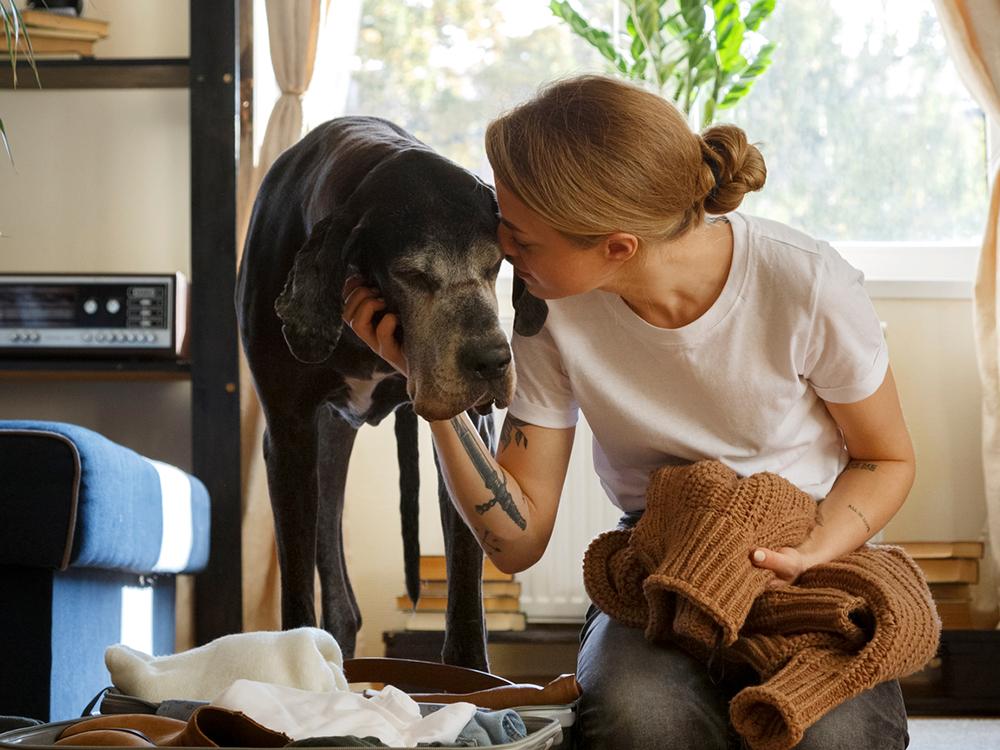
Large and giant dog breeds’ needs scale up with their size, and meeting them requires more than just extra food and a bigger bed. These dogs benefit from thoughtful care that supports healthy growth, joint protection, and overall well-being from puppyhood to their senior years. Proper nutrition, appropriate exercise, and equipment designed for larger bodies all play a role in keeping them comfortable and mobile. When their physical and environmental needs are met consistently, large dogs are more likely to stay healthy, active, and relaxed in their daily lives.
Unlike smaller dogs, large and giant breeds often need proactive care decisions. Waiting until problems appear can make management more difficult and expensive. Planning ahead for joint support, controlled growth, and age-related mobility helps reduce discomfort and preserves quality of life as these dogs mature. Here are some things you’ll need when adopting a larger dog.
Very large and giant dogs need supportive, orthopedic beds that distribute weight and protect pressure points. Memory foam or bolster beds prevent discomfort and help reduce the risk of joint strain. Because these beds take up significant space, adopters should consider how much room they have in living areas and bedrooms.
These dogs are prone to hip dysplasia, osteoarthritis, and ligament issues. Preventive joint care includes large-breed puppy diets (which control growth rate) and supplements recommended by veterinarians. Over-exercising puppies can harm developing joints, so slow, steady activity is key.
A healthy weight reduces strain on joints and prevents cardiovascular stress. Large dogs are often overfed because portions appear small relative to their size. High-quality food, measured portions, and regular check-ins with a veterinarian help maintain weight.

Dogs need space to live their best lives, but how much is enough?
A large dog’s impressive presence is part of the appeal, but their physicality means adopters must think about strength, space, and safety from day one. Prospective adopters should ask themselves if their home layout and daily schedule can support a dog of this size.
Even lower-energy giant breeds need room to stretch out and move comfortably. Homes with narrow hallways, lots of breakable décor, or limited lounging space may not be ideal. Wide hallways, open living spaces, and accessible yards make life easier for big dogs. Oversized crates and large exercise pens add to space requirements, but make indoor management safer.
Many large-breed dogs require lots of physical exercise, up to two hours daily for some breeds and mixes. Exercise should balance mental enrichment, walking, and low-impact play. Mental stimulation is just as important as physical activity. Puzzle feeders, scent work, and structured training sessions help prevent boredom-related behaviors, especially in large dogs who may become destructive simply because of their size and strength.
Large dogs come with high costs. Surgeries, diagnostic imaging, dental cleanings, anesthesia, and routine medications cost more due to weight-based dosing. Equipment such as extra-large crates, raised feeders, sturdy harnesses, and waterproof orthopedic beds can be expensive. Transportation may also require a vehicle with adequate cargo space for travel crates or safe harness setups.
Samantha Gehrmann / Stocksy
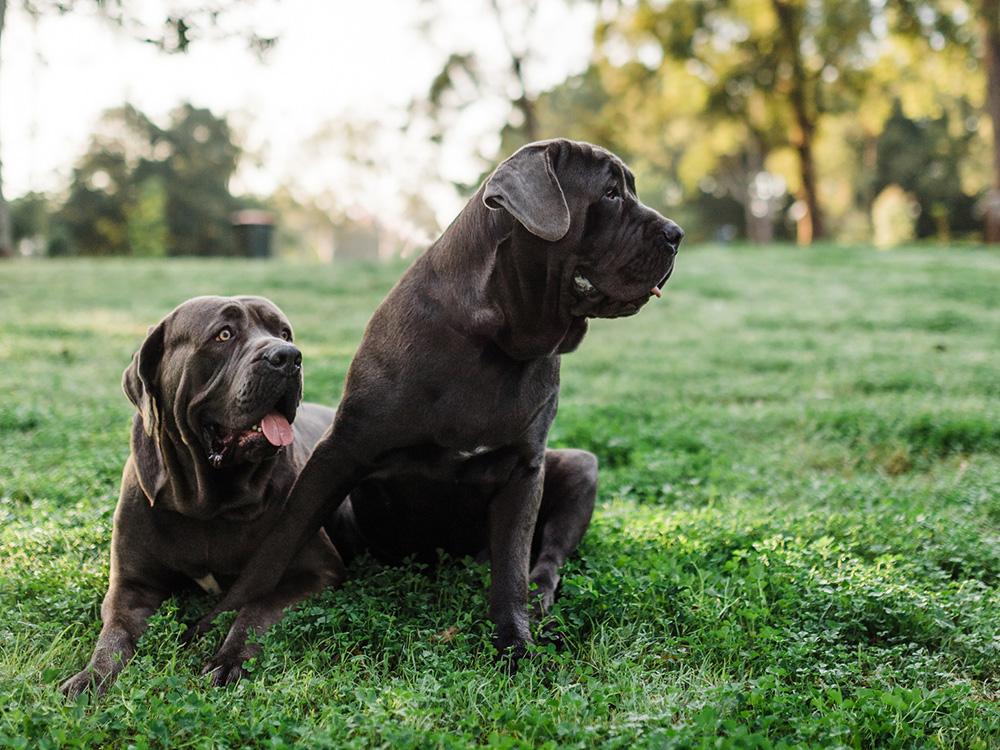
Large and giant dog breeds often live happy, affectionate lives, but their size does come with health considerations that potential adopters should understand. Carrying more weight on larger frames can add stress to joints, bones, and internal systems, increasing the risk of certain medical conditions over time. And giant breeds, especially, are known for shorter lifespans, usually six to 10 years, making proactive health care essential.
Many of these conditions develop gradually, which makes routine veterinary care especially important for large dogs. Subtle changes in gait, stamina, or posture may be early signs of discomfort rather than normal aging. Catching issues early can significantly improve outcomes and reduce long-term pain.
Many large dogs also age faster than smaller breeds, meaning health changes may appear earlier and progress more quickly. Knowing which issues are more common in big dogs allows pet parents to spot early warning signs, plan preventive care, and work proactively with their veterinarian to support long-term comfort and mobility.
Hip dysplasia: Common in many large breeds, hip dysplasia occurs when the hip joint develops incorrectly. It can lead to pain, lameness, and long-term arthritis. Early detection, weight management, and supportive exercise help reduce the severity of this condition.
Heart problems: Certain giant breeds have elevated risks of dilated cardiomyopathy and other heart diseases. Regular screenings, such as echocardiograms, may be recommended depending on the breed. Knowing about early symptoms — such as exercise intolerance, coughing, or fainting — can save lives.
Mobility issues: Cruciate ligament tears, spinal pressure, arthritis, and overall mobility challenges become more common as big dogs age. Slippery floors, steep stairs, and high furniture can make movement difficult. Ramps, carpet runners, traction socks, and supportive harnesses help them maintain independence.
Cancer risk: Some large and giant breeds are at an increased risk of certain cancers. Although this is not guaranteed, adopters should still be aware of symptoms and prioritize regular veterinary examinations. Although cancer risk varies by breed, maintaining a healthy weight and scheduling regular wellness exams can help with early detection and treatment planning.

Find out why big dogs are basically the ultimate pets. We lay it out for you here.
Adopting a large or giant dog breed is a long-term commitment that goes beyond loving big dogs or admiring their gentle presence. These dogs take up real space in your home, your budget, and your daily routine. Their needs don’t shrink just because your living situation does.
Some important things to keep in mind.
Strength and handling: Handling a strong dog requires physical capability and confidence. Training is essential to prevent pulling, jumping, and accidental injuries. Even a friendly giant can knock over a person without meaning to.
Family fit: Giant dogs may not be the best match for families with toddlers or people with mobility challenges. Their size and movement can cause accidental bumps or falls. Families must supervise interactions and create safe spaces for everyone.
Transportation needs: Some cars simply cannot safely accommodate a giant dog. Adopters should consider if they can lift (or assist) a large dog into a vehicle and if road trips, vet visits, and emergencies are manageable.
Financial commitment: Food alone can cost several hundred dollars annually for giant dogs. Veterinary procedures, medication doses, grooming (for long-haired breeds), and specialty equipment add to the budget. Pet insurance is strongly recommended.
Emotional preparedness: Large and giant dogs often have shorter lifespans. Adopters should consider their emotional readiness for this reality and commit to giving these dogs the best possible quality of life.
Adopters should also think about how their lifestyle may change over time. Moving to a smaller home, changes in work schedules, or physical limitations can affect a household’s ability to care for a very large dog. Planning for these possibilities in advance helps prevent difficult rehoming decisions later.
Ultimately, the best home for a large or giant dog is one that can meet their physical, emotional, and financial needs consistently over time. Taking an honest look at your space, schedule, household makeup, and resources helps ensure that adopting a big dog is a rewarding experience for both you and the dog — and not a stressful mismatch that everyone has to quietly endure.
A giant breed is typically defined as any dog who weighs more than 90 pounds at adult size. Examples include Great Danes, Mastiffs, Saint Bernards, and Irish Wolfhounds.
The friendliest giant dog breeds are those such as the Newfoundland and the Great Pyrenees, who are often considered especially gentle and affectionate. Their calm dispositions and patience make them popular for families seeking a friendly giant.
Some big dogs are manageable with training, but most require experienced handling due to their strength, health needs, and size-related safety concerns.
Most giant dogs do best with moderate daily walks, low-impact activities, and mental enrichment rather than high-intensity exercise.
Many do, depending on their facial structure. Breeds with loose jowls tend to drool more frequently.
Breeds such as the Anatolian Shepherd and some large guardian breeds may live slightly longer than other giant dogs, though lifespan varies by genetics and care.
Large dogs benefit from early, consistent training that focuses on leash manners, impulse control, and body awareness. Because of their size and strength, even minor behavior issues can become safety concerns without proper guidance.
“Get to Know Giant Breed Dogs | ASPCA® Pet Health Insurance.” Aspcapetinsurance.com, 2023, www.aspcapetinsurance.com/resources/giant-breed-dogs.

Danielle Tepper is a writer and editor who works full-time for a global animal welfare nonprofit. She is especially passionate about protecting marine mammals and ending the exploitation of wild animals for human entertainment. Currently based out of her car, she’s trekking across the U.S. on an open-ended road trip, exploring our national parks and photographing wildlife from a safe distance.
Adoption Advice
Adoption Advice
Breed Info
Behavior & Training

Breed Info
Looking for a dog with a larger-than-life personality (and size to match)? These giant breeds might be perfect for you.
Breed Info
Discover the factors affecting a dog’s lifespan, and learn why size matters for your pet’s longevity.

Adoption Advice
From shout-outs to their German heritage to the human food they probably want to eat, start your naming search here.

Breed Info
From Border Collies to Golden Retrievers — we’ll point you toward the breeds who excel in obedience.

Behavior & Training
The answer is not so cut-and-dry. Here’s a deep dive into small-dog behavior.