Why You Should Consider Adopting a Shiba Inu Mix
They’re cute, clever, and sometimes a little quirky.
They’re cute, clever, and sometimes a little quirky.
by Katie Koschalk, | June 19, 2025

MaaHoo / Stocksy
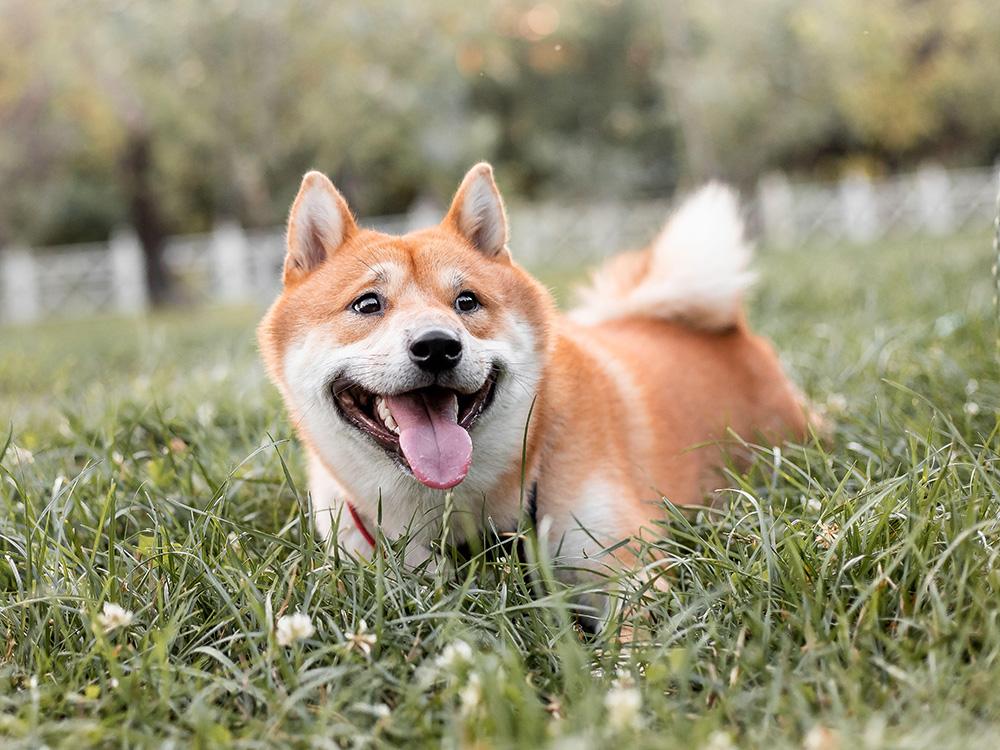
With their foxy faces, curled tails, and spirited personalities, Shiba Inus have become one of the most recognizable dog breeds around. But for all their charm, purebred Shibas are known to be independent, stubborn, and sometimes a bit aloof — traits that can make them a challenging fit for some pet parents.
Enter the Shiba Inu mix. Blending the Shiba’s bold personality with traits from other breeds can sometimes result in a pup who’s a bit more trainable, a little more cuddly, or simply better suited to your lifestyle.
Let’s take a closer look at what makes Shiba Inu mixes unique and what you should know before adopting one.
Olga Ovcharenko / Alamy Stock Photo
The Shiba Inu is a small-to-medium-sized breed, and one of Japan’s oldest and most beloved dogs. They were originally bred for hunting small game in the country’s mountainous regions. Today, this breed is the most popular companion dog in Japan. Shibas only gained popularity outside Japan, including the U.S., in the late 20th century.
When a Shiba Inu is crossed with another breed, the result is a Shiba Inu mix: a dog who may retain some of the Shiba’s signature good looks and self-assured attitude, but with added traits from the other parent breed. You’ll find a lot of variety in Shiba Inu mixes, with differences in size, coat type, temperament, and more.
A Shiba mix can offer a more balanced temperament, while still holding onto that trademark confidence. Here’s why a Shiba Inu mix might be the perfect pup for you.
Unique personality blend: Mixing a Shiba with another breed can tone down some of the Shiba’s more stubborn traits and add warmth and sociability.
One-of-a-kind looks: Shiba mixes come in all shapes and sizes, so you’ll get a dog who stands out from the crowd.
Potential for easier training: Shibas are smart but notoriously independent. A mix with an eager-to-please breed might be a more cooperative student during training.
May be independent: Shibas are famously independent, and many Shiba mixes inherit this trait. If you’re looking for a dog who’s content doing their own thing and doesn’t need constant attention, a Shiba mix could be a great match.
Health advantages: Like many mixed-breed dogs, Shiba Inu mixes may benefit from hybrid vigor, which can reduce the risk of some genetic health issues seen in purebred dogs.

mahalo studio / Stocksy
While Shiba Inu mixes can make incredible companions, it’s important to consider their unique quirks and needs before bringing one home.
Most Shiba Inu mixes are active and intelligent, which means they require about one hour of daily exercise to stay happy, as well as mental enrichment. Without these, their boredom can lead to destructive behavior or clever escape attempts.
Shibas are known for being independent (and sometimes stubborn), and these traits can show up in their mixes, too. Early socialization and consistent, positive reinforcement training are key. Be prepared to invest time and patience, or work with a trainer familiar with spitz-type breeds.
Shibas typically have a strong prey drive and a talent for slipping through fences or dashing out open doors. Even with solid training, most Shibas aren’t trustworthy off-leash unless they’re in a securely enclosed space. This trait can carry over to Shiba Inu mixes.
Although some Shiba mixes enjoy affection, others may be more selective with physical touch. If you have kids or want a super cuddly dog, be sure to meet the individual pup first and ask the rescue about their temperament.
Shiba Inus have thick, double coats that shed, especially during seasonal changes, and their mixes often do, as well. Regular brushing helps, but be ready for fur tumbleweeds and the occasional coat blowout.
Shiba Inus are famously vocal, and their dramatic “Shiba scream” is one of their signature quirks. This high-pitched howl or yodel can be triggered by excitement, frustration, or anxiety. While not all Shiba Inu mixes inherit this trait, it’s something to ask about before adopting one. Some people find it funny and endearing — others, not so much.
Shiba Inu mixes come in all kinds of shapes and sizes, yet many still end up looking like a Shiba in disguise. Here’s a look at some of the most popular Shiba mixes and the types of pet parents they tend to click with.

Jeremy Li / Pexels
Estimated weight: 25 to 45 pounds
Traits: Intelligent, vocal, stubborn, and strikingly beautiful — this mix tends to be strong-willed and energetic, with a love for outdoor adventures and a possible escape-artist tendency.
Best for: Active, experienced dog parents who want a striking, high-energy companion

Tommy / Chesapeake Humane Society
Estimated weight: 10 to 20 pounds
Traits: Spunky, affectionate, and bold — this mix often has a fluffy coat and a big personality in a small package. They can be vocal, energetic, and deeply loyal.
Best for: Anyone looking for a small yet confident companion

Niner / Baja Paws Rescue
Estimated weight: 17 to 30 pounds
Traits: Friendly, alert, and playful — these pups often have the stocky build of a Corgi with the face or coat of a Shiba. They’re lively and usually easier to train than a purebred Shiba.
Best for: Families or individuals who want a clever, social dog of a manageable size

Apollo / Lovebugs Rescue
Estimated weight: 30 to 50 pounds
Traits: Loyal, sociable, and eager to please — this dog’s Lab influence can mellow out the Shiba’s more independent side, creating a fun-loving dog who’s generally more trainable.
Best suited for: Families or individuals seeking a more social, laid-back Shiba mix

Deena / United Hope for Animals
Estimated weight: 40 to 60 pounds
Traits: Protective, intelligent, and high-energy — this mix may bond closely with their humans and display a mix of watchfulness and independence.
Best for: Active homes offering structure, training, and plenty of mental stimulation.
If you’re ready to welcome a Shiba Inu mix into your life, there are several great places to start your search.
General rescue groups and animal shelters: Shiba Inu mixes can sometimes be found at local shelters and rescue organizations. Keep an eye on your local humane society or SPCA.
Breed-specific rescues: While some Shiba Inu rescues focus solely on purebred dogs, many are open to helping mixes as well. These organizations often know the breed inside and out, and can provide valuable insights into whether or not a particular dog would fit your lifestyle.
Online adoption sites: Websites such as Adopt a Pet let you search for Shibas available through rescues or shelters, or from individuals near you. You can filter by breed, age, size, location, traits, and more, making it easier to find the right match for your home and lifestyle.
Foster-to-adopt programs: Some rescue groups and shelters offer foster-to-adopt arrangements, allowing you to care for a dog on a trial basis before making a permanent commitment. This can be a great way to see if a Shiba Inu mix is the right fit for your home.
Note: It’s best not to buy dogs from breeders or pet stores. With so many dogs waiting in shelters and rescues for loving homes, adopting is a more compassionate and impactful choice. Pet overpopulation continues to strain shelter resources, and choosing to adopt helps reduce the number of animals left homeless or at risk of euthanasia due to overcrowding. Plus, adoption is much less expensive, and adopted dogs usually come already spayed or neutered, vaccinated, and microchipped.
The personality of a Shiba Inu mix largely depends on the other breed involved. Some mixes lean into the Shiba’s signature independence and aloofness, while others may take after the traits of the other parent breed.
On average, a Shiba Inu mix can live between 12 and 16 years, depending on their overall health, size, and genetics.
A Shiba Inu mix being good with kids depends on the individual dog and the other breed involved. Some Shiba mixes may be tolerant and playful with kids, while others might prefer a quieter environment. Supervision around young children is always recommended.
Shiba Inu mixes can be hard to train, especially if they inherit the Shiba’s independent, stubborn nature. However, if they’re mixed with a more eager-to-please breed, like a Labrador, they may be more responsive to training.
Most Shiba Inu mixes do shed a lot. Shibas have thick, double coats, and many mixes inherit this trait. Be prepared for regular brushing and vacuuming.
Some Shiba Inu mixes are good in apartments, especially smaller or lower-energy mixes. But they’ll need regular exercise and mental stimulation, regardless of their size. As long as their needs are met, most of these pups can adapt to apartment life, but they won’t be happy as couch potatoes.
Shiba Inus themselves typically weigh 17 to 23 pounds, but mixes can range anywhere from 10 to more than 60 pounds, depending on the other breed. Always ask about their expected size and energy level before adopting them, to make sure the dog will fit your lifestyle.
“Introduction to the Shiba Inu.” National Shiba Club of America, www.shibas.org/docs/Shiba_Brochure_color2.pdf.
“Is the Shiba Inu the Right Dog for You?” American Kennel Club, www.akc.org/expert-advice/dog-breeds/shiba-inu-right-for-you.
“Shiba Inu.” American Kennel Club, www.akc.org/dog-breeds/shiba-inu

Katie Koschalk is a freelance writer based in Northern California. Fusing her love and knowledge of animals with her journalism degree and years of professional writing, Katie is dedicated to improving the lives of pets and their caretakers by sharing helpful and accurate information. When she’s not at her desk, you can find her exploring trails with her Aussie, Hunter, cooking plant-based meals, and talking to her two cats, Jax and Sadie, in really ridiculous voices.

Breed Info
Breed Info

Breed Info
Behavior & Training
Licking can indicate anything from affection to anxiety to things just tasting good. Here’s what it may mean for your dog, plus tips on how to lessen the behavior.

Breed Info
Discover the factors affecting a dog’s lifespan, and learn why size matters for your pet’s longevity.

Breed Info
From Border Collies to Golden Retrievers, we’ll point you toward the breeds who excel in obedience.

Breed Info
Buying from a breeder can cost a fortune. Here’s what drives those prices up, and why adoption is worth exploring.

Adoption Advice
Bringing a new puppy into the house? Learn how to create a safe, comfortable space in every room for their first days.
Adoption Advice
Preparing to visit the dog shelter? Learn more about the meet and greet process and how you can get a new pup to like you.
Shelters & Rescue
This simple act can greatly benefit shelter pups (and humans, too).

Adoption Advice
Find out how to set your adopted rescue dog up for success.
Adoption Advice
From fear to confidence: Here’s how to help your newly adopted anxious dog feel more secure.