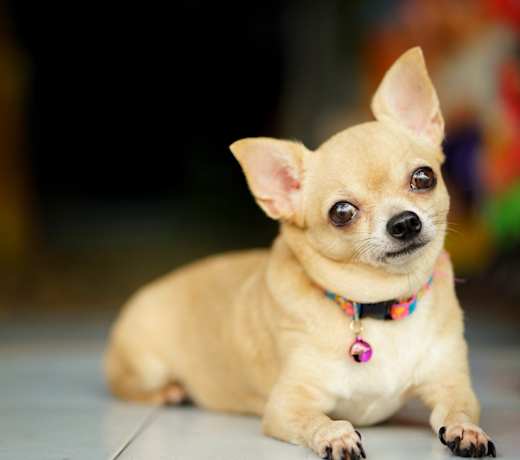
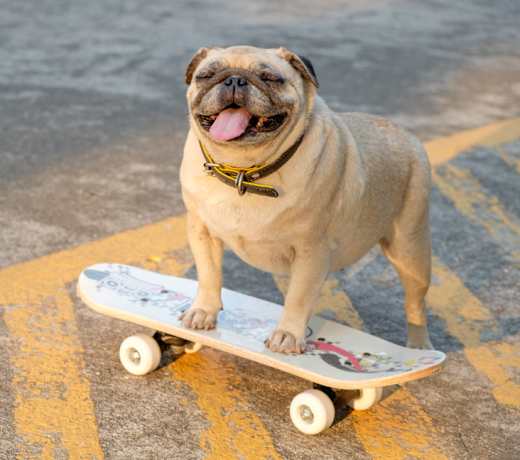
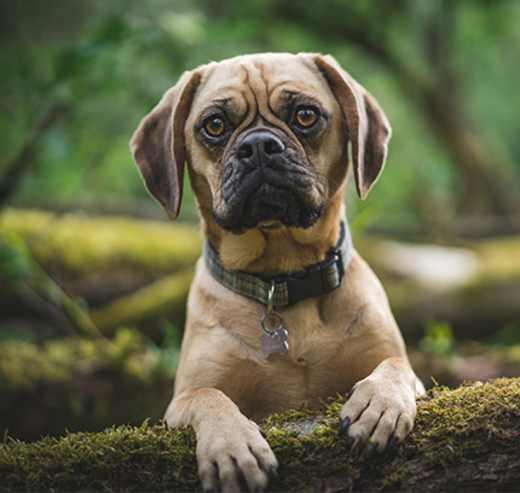
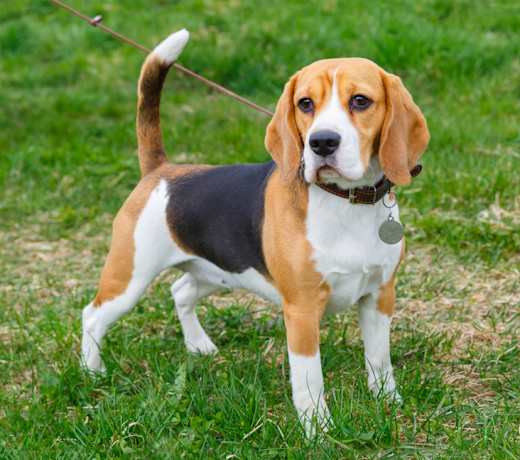
Chug dogs stop growing between 9 to 12 months old. Most of their growth occurs in the first six months, and by about one year of age, they have usually reached their full size.
Chug
Breed Type: Crossbreed
Common nicknames: Chihuahua-Pug mix
Coat: Smooth
Hypoallergenic: No, they will likely trigger allergies.
Temperament: Affectionate, loyal, playful, vocal
Life expectancy: 10-15 years
Color & patterns:
Black

Chugs, who are a mix of Pugs and Chihuahuas, are often alert, a little stubborn, very loyal, and always down to curl up in your lap after a zoomie session. They might get the signature Pug wrinkles and that forever-puppy expression, with a little dash of Chihuahua alertness mixed in. It’s the kind of face that gets comments on every walk.
Chugs, who are a mix of Pugs and Chihuahuas, are often alert, a little stubborn, very loyal, and always down to curl up in your lap after a zoomie session. They might get the signature Pug wrinkles and that forever-puppy expression, with a little dash of Chihuahua alertness mixed in. It’s the kind of face that gets comments on every walk.
Chug characteristics
Learn about about Chug basics like their fur colors, shedding levels, how much grooming they need, and other Chug facts.
Average height
6-12 inches (15.2-30.5cm)
Average weight
10-20 pounds (4.5-9.1 kg)
Average lifespan
10-15 years
Exercise needs
Low-key activityHigh-demand workouts
Grooming needs
OccasionallyFrequently
Full-grown size
Teeny tinySuper size
Good with cats
Likely to chaseHey, new pal!
Good with kids
Needs lots of supervisionEager to play
Training aptitude
HeadstrongEager to please
What is the life expectancy of a Chug?
Chugs have a life expectancy of about 10 to 15 years. With proper care, regular vet visits, and a healthy lifestyle, a Chug can live a long, happy life.
Are Chug dogs good with kids?
Chug dogs can be good with kids, but this is largely dependent on the individual dog’s temperament and whether they were properly socialized to kids from a young age. Chugs are often affectionate and playful, traits that can make them wonderful companions for children. However, their small size requires gentle handling.
As with any breed, it is recommended that your child is always supervised when interacting with your dog to keep both the child and dog safe. Teaching children how to properly approach and handle dogs is crucial to ensure positive experiences for both the dog and the child, as is teaching dogs how to interact gently with children.
Are Chug dogs good with cats?
Chug dogs can be good with cats, especially if they are raised with cats and have a more relaxed personality. Individual temperaments will vary, but a well-trained Chug and a cat can often live together peacefully. Supervision and gradual introductions help ensure a positive relationship between them.
How big do Chug dogs get?
Chug dogs are small but their size range is somewhat big. Depending on whether they take more after the stockier Pug or diminutive Chihuahua, Chug dogs usually weigh between 10 to 20 pounds and stand 6 to 12 inches tall at the shoulder.
Are Chug dogs good with other dogs?
Chug dogs can be good with other dogs, especially when they are socialized early. However, their dog friendliness varies depending on the traits they inherit from their Pug and Chihuahua parents. Pugs are typically social, friendly dogs that enjoy the company of other dogs. Chihuahuas, on the other hand, can sometimes be more territorial or assertive, especially around dogs they don’t know. If a Chug inherits more of the Chihuahua’s traits, it might take more time to adjust to other dogs, but with proper training, gradual introductions, and supervision, most Chugs can live with other dogs.
What colors do Chug dogs come in?
Chug dogs come in a rainbow of colors, including fawn, black, brown, cream, white, brindle, sable, and black and tan. Chugs may be solid, bicolor, or tricolor, and some Chugs have black masks.
Do Chug dogs shed?
Yes, Chugs shed. This designer breed has a lot going for it, but being low-shedding is not one of their traits. Long-haired Chugs might shed less than short-haired Chugs, but most Chugs shed at least moderately. Frequent brushing can help manage hair around the house.
Chug history
Learn about where the Chug came from.
What is a Chug mixed with?
A Chug is a hybrid or designer dog created by crossing a Chihuahua and a Pug. The specific characteristics of a Chug, such as size, energy level, and personality, vary depending on which parent breed they take after the most. Small, alert, and protective, Chihuahuas can be bold and energetic, with some dogs showing a bit of an independent streak. They are affectionate, sociable, and loving pets who are usually very laid-back and truly enjoy being the center of attention.
Are Chug dogs new?
Yes, Chug dogs (Chihuahua-Pug mixes) are a relatively new hybrid breed. While both the Chihuahua and Pug have long histories, the Chug as a mix is more recent, growing in popularity in the early 2000s. The trend of intentionally breeding mixed-breed dogs, also known as designer dogs, became popular around that time.
Chug temperament
Learn about about the Chug temperament and how well they fit into your lifestyle, home environment, and family.
Are Chug dogs friendly?
Yes, Chug dogs are friendly for the most part, though temperament can vary in individual dogs. Both Chihuahuas and Pugs are affectionate and people-oriented, which usually translates to a friendly demeanor in Chugs. They are typically affectionate and form strong bonds with their pet parents. Some Chugs might inherit more independent traits from their Chihuahua parent, making them a little more reserved or cautious around strangers or in new environments.
Are Chug dogs good dogs?
Yes, Chug dogs are good dogs. Although their physical and personality traits are somewhat unpredictable, most Chug dogs are affectionate, loyal, and playful, making them great pets for singles, families, or seniors. They adapt well to smaller living spaces, and with proper training and care, they can be wonderful companions.
Do Chug dogs bark a lot?
Yes, Chug dogs can bark a lot. Barking habits can vary, but Chihuahuas do lots of barking, so Chugs are often vocal, especially if they take after their Chihuahua parent. However, their barking can be managed with proper training and mental stimulation. They tend to bark to alert their pet parents, out of excitement, or if they are anxious or bored.
Are Chugs smart?
Yes, Chug dogs are generally smart, though their intelligence can vary. Although Chihuahuas and Pugs are not among the most intelligent breeds, they are smart in their own ways. Chugs can be trained, but it might require a bit of patience. They respond well to positive reinforcement, such as treats, praise, and playtime.
Are Chugs couch potatoes?
Some Chugs are couch potatoes, but they generally have a moderate energy level. Pugs are laid-back and enjoy lounging, so if your Chug inherits more traits from the Pug side, they might be more like couch potatoes in between short bursts of play or walks. Chihuahuas are generally more energetic and alert, so Chugs with more Chihuahua traits might have a bit more energy and might prefer exercise or playtime.
Are Chug dogs impossible to train?
No, Chug dogs are not impossible to train, but it might feel that way sometimes. Chugs might need extra patience due to their independent and sometimes stubborn nature, especially if they inherit more traits from the Chihuahua side. The good news is that with consistent training, positive reinforcement, and short, fun sessions, a Chug can become a well-behaved companion.
Do Chugs pick one person?
Yes, Chugs can sometimes form a particularly strong bond with one person. A Chug with more Chihuahua traits might lean toward one person more strongly, while a Chug with more Pug traits is likely to be friendly and affectionate with everyone. Proper socialization and family interaction can help ensure that a Chug is comfortable with and loving toward all family members.
Can Chugs be left alone?
Yes, Chugs can be left alone for short periods, but they love you so much that they prefer you don’t leave them too long or too often. Chugs can become lonely or anxious if left by themselves for too long. Ideally, Chugs should not be left alone for more than four to six hours at a time. If you work full time or are often away, you might want to consider options like a dog walker or a pet sitter to ensure your Chug gets the companionship and care they need during the day.
Chug health
Learn about about the Chug health outlook and what diseases they may be prone to at various stages of their life.
Are Chug dogs hypoallergenic?
No, Chug dogs are not hypoallergenic. While there is no such thing as a completely hypoallergenic dog, some breeds tend to produce fewer allergens. Unfortunately, the Chug is not one of those. They inherit traits from both the Chihuahua and the Pug, both of which are not hypoallergenic.
Do Chug dogs need grooming?
Yes, Chug dogs need grooming, but it’s a relatively easy job. Chugs don’t require extensive grooming, but regular brushing, bathing, and ear cleaning are necessary to keep them clean and healthy. Proper dental care and nail trimming are also important aspects of their grooming routine. Chugs usually have a short coat, so they don’t require haircuts, but they benefit from weekly brushing to remove loose hair and minimize shedding. Some Chugs might have longer coats (inherited from longhair Chihuahuas), and these might need more frequent brushing to prevent tangles.
Are Chug dogs healthy?
Chug dogs are generally healthy but can be prone to certain health issues, as both parent breeds (Chihuahua and Pug) have specific genetic conditions that might be passed down. Common health concerns for Chugs include:
Brachycephalic syndrome: Since Pugs have flat faces, Chugs might inherit this trait, which can lead to brachycephalic airway syndrome. This condition can cause breathing problems or difficulty in extreme heat, especially during exercise or hot weather. Chugs with brachycephalic features might snore or wheeze and might need to avoid strenuous activity in high heat.
Patellar luxation: Both Chihuahuas and Pugs can be prone to patellar luxation (dislocating kneecap), which can also affect Chugs.
Obesity: Chugs, like both parent breeds, can be prone to obesity if not properly exercised or if overfed. It’s important to keep them at a healthy weight to avoid strain on their joints and to prevent health problems associated with being overweight.
Eye problems: Pugs are prone to eye issues such as dry eye, corneal ulcers, and glaucoma. Chugs can inherit some of these problems, especially if they have more of the Pug’s face shape.
Heart issues: Chihuahuas can sometimes have heart murmurs or other heart-related conditions, so it’s important to keep an eye on your Chug’s heart health, especially as they age.
Dental issues: Chihuahuas are known to have dental problems due to their small size and compact mouths, so Chugs might be prone to tooth decay and gum disease. Regular dental care, such as brushing their teeth or providing dental chews, is important for maintaining their oral health.
Find Chug puppies near you
Adopting a Chug
We don't see any Chugs available for adoption in your exact location or cities near you, but here are some adorable similar breeds in Beverly Hills, CA.