Size
(when grown) -
Details
Good with kids,
Good with dogs,
Good with cats,
Story
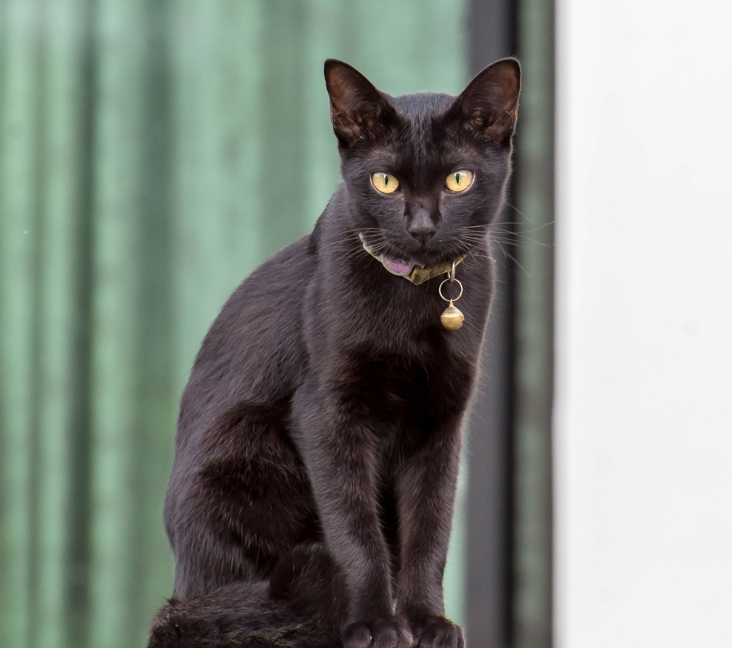
Tortilla is a gentle little sweetheart whose personality grows brighter with every passing day. When she first arrived in foster care, she was battling a tough upper respiratory infection and mostly wanted to be held while she recovered. Now that she's feeling so much better, her playful kitten side is starting to shine!
She's discovering the joy of toys one by one and has become especially fond of chasing ping pong balls, batting around spring toys, and pouncing on wand toys. She still enjoys plenty of naps between her bursts of kitten energy, and her favorite place to snooze is right in someone's lap.
If you're looking for a cuddler, Tortilla may be your perfect match. She loves curling up against your shoulder, gently kneading while she purrs, and nuzzling into your neck for extra-close snuggles. Every morning, she greets her foster family with the sweetest little squeaks of excitement, ready for cuddles before she starts her day.
Tortilla has settled into foster care beautifully and uses her litter box like a pro. Loud noises can still make her a little nervous, but being held by someone she trusts quickly helps her feel safe again. She has also met her foster family's dog without much reaction, so she may do well in a home with other friendly pets.
As Tortilla continues to recover, she's becoming more adventurous, playful, and confident every day. We think she's going to grow into a wonderfully affectionate lap cat who will happily fill your home with purrs, gentle cuddles, and quiet companionship.
----
Want to adopt a kitten? We highly recommend you consider bringing home two instead of one! Adopting kittens in pairs has been proven to be beneficial for cats’ emotional and behavioral well-being and greatly improves the likelihood of long-term adopter happiness as a result. Adopting more than one kitten also reduces the risk of “Single Kitten Syndrome” (also known as Tarzan Syndrome), a symptom of under-socialization during a kitten’s most formative weeks. Kittens who are under-socialized may develop aggressive tendencies toward both other animals and humans as they grow, creating lifelong behavioral issues for owners.