How Do I Stop My Dog From Eating Poop?
Yes, this gross habit can be stopped.
Yes, this gross habit can be stopped.
by Dr. Maria Zayas, | October 28, 2025
Jonathan Petersson / Pexels
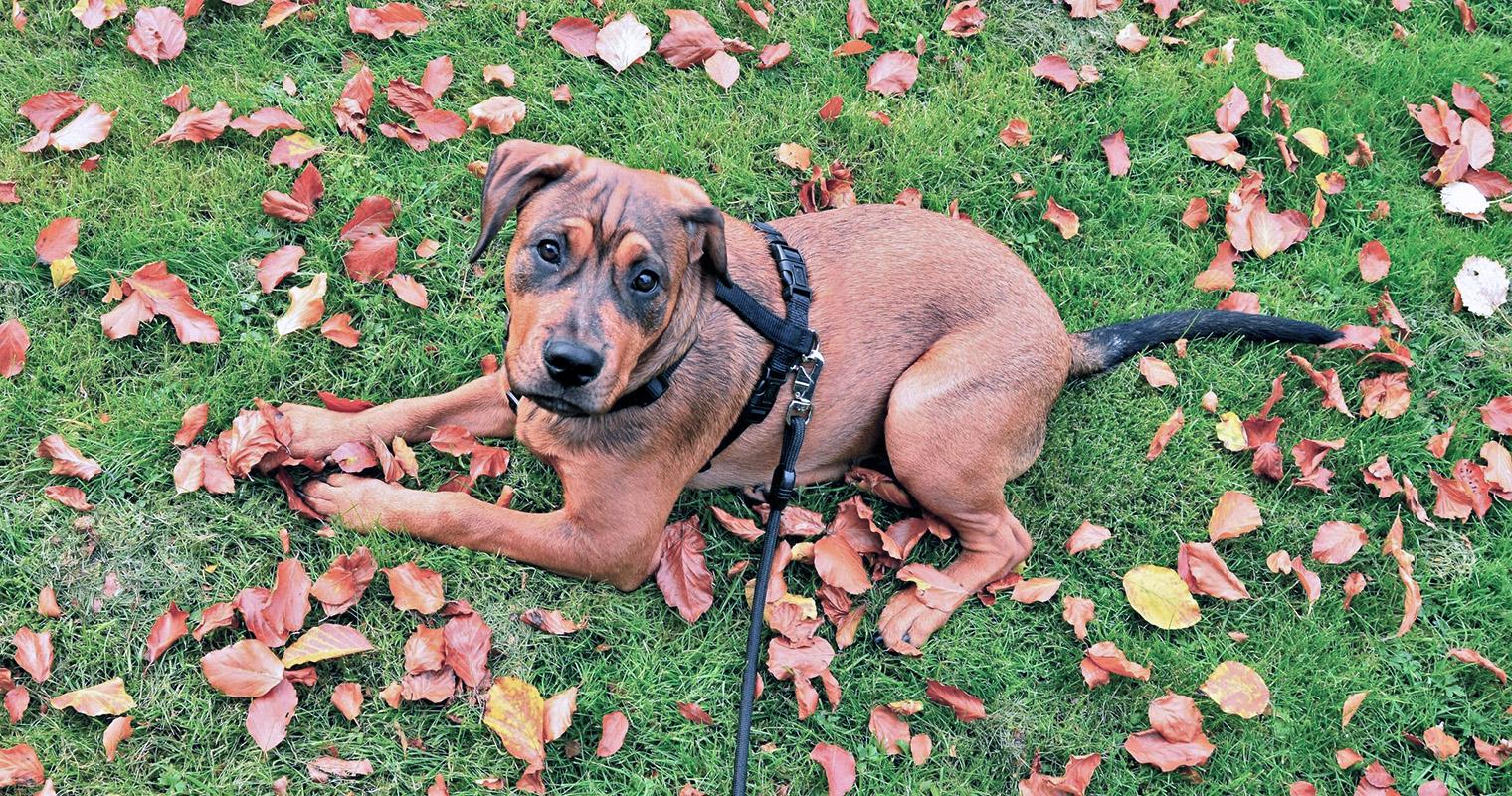
Poop-eating might be the single most icky thing dogs do. If they are avid poop eaters, this can affect our physical interactions with them, their smell, and even their health. If you want to keep your pup happy, healthy, and smothered in physical affection, read on for why your dog might be eating poop and what to do about it.
As gross as it sounds, eating poop can be a totally normal thing for dogs, but that’s not always the case. In many cases, dogs eat poop — either their own or other dogs’ — because they like it. That doesn’t mean it’s abnormal, but that also doesn’t stop it from being a problem. Alternatively, a dog eating poop can be a clue that something is wrong. This is especially true if an adult dog suddenly starts doing this when they never used to.
Always assume that coprophagia, aka poop-eating, is abnormal. That way, you won’t disregard a potentially important symptom of a bigger issue.
Below, you’ll find some of the most common reasons why dogs eat poop.
The most common reason for a dog to start eating poop is that they are instinctually trying to fix an unmet nutritional need. Sometimes it’s a lack of calories. Other times, it’s a specific vitamin or mineral deficiency triggering the behavior.

Regular vet visits are key to keeping your pet healthy. Here’s what happens during a checkup, when to get them, and what to bring.
Some puppies are born with internal physical abnormalities that can lead to nutritional deficiencies. Sometimes their circulatory system is abnormal, with connections shunting blood where they shouldn’t. This can lead to toxins building up in the blood and improper uptake of nutrients. These puppies often fail to gain weight or grow a healthy hair coat, and can commonly be found eating poop.
If a dog picks up parasites, those parasites can steal calories and blood, and impact a dog’s ability to digest food, leading to rapid weight loss. Even in a dog who isn’t obviously losing weight, parasites are still very good at stealing nutrients from their host. Worms may stay internal and pass only microscopic eggs — and microscopic parasites can’t be seen with the naked eye. This means the only hint that your dog has a parasite could be that they are eating poop in an attempt to get the nutrients they need. Some parasites are more likely to trigger coprophagia than others, such as giardia.
Many medical diseases or conditions can lead to nutritional deficiencies and may cause poop eating. Some examples include:
Inflammatory bowel disease
Cancer
Diabetes
Cushing’s
Hypothyroidism
Allergies
Addison’s disease
Always check with a veterinarian to ensure your dog is eating not only a safe and appropriate diet, but also the correct amount. For instance, feeding a puppy a diet formulated for adults means they likely aren’t getting all the nutrients they need. And dogs who aren’t eating a commercial diet are far more susceptible to nutrient deficiencies than those who are.
If they have any health conditions that benefit from a specific diet (such as one for sensitive skin or stomach issues), they may have trouble digesting even diets formulated to meet their life stage. If you want your dog to eat the best diet for them, get a nutritional consult from a veterinarian — especially if you know your dog eats poop.
Dogs suffering from stress or anxiety are more prone to eating their poop than other dogs. There are many reasons this can happen. Anxiety is linked to inflammation in the gastrointestinal (GI) tract, which can lead to less nutrient uptake. Some dogs who are anxious around other animals will only eat poop when they’re with other dogs, potentially while the other dog is pooping. The behavior can be a physical manifestation of their unease.
Your pup may also be suffering from a condition called pica. Pica causes dogs to want to eat non-food objects. Common examples include dirt, rocks, hair, and also poop. If your dog struggles to settle, they may be scanning for things to interact with, which can lead to them finding and eating poop.
Some level of poop eating can be a normal part of life for some dogs. Breeds who are more focused on scents and carrying things in their mouth are more likely to interact with poop, which can lead to eating it as well. Sniffing poop is already a normal behavior for dogs, but an issue arises when they choose to eat it, especially if they’re obsessive about it.
Poop eating isn’t only an issue for the ick factor. It can pose a health risk to your dog as well.
Most GI parasites are spread through the ingestion of contaminated poop. Just coming into contact with the fecal matter of other dogs can pose a danger to your dog, but ingesting poop from other dogs is a far more dangerous activity. Suffering from a parasite can also cause a dog to eat poop, so this all works in favor of the GI parasites, and is why it’s so important to curb the behavior when possible.
Not all dogs easily process the poop they eat. Dogs with food allergies can be exposed to allergens if they eat another dog’s poop. If your dog has a sensitive tummy and eats something new, such as dog poop, they may develop diarrhea, vomiting, and loss of appetite.

GI issues are common, but very treatable. Here’s how to help your new dog or cat overcome their stomach problems as they settle into your home.
If your dog is eating poop, you need to find and correct the underlying problem. That means your first stop should be at the vet’s office. There, you can assess the quality and volume of your dog’s diet to make sure it’s meeting their needs. Screening labs can be run to check your dog for parasites and underlying health conditions. After that, here are a few additional tools that can help you reduce your dog’s eating habits.
If the underlying cause for your dog eating poop isn’t clear — or will take time to correct — you need a strategy to curb the behavior. It is best to set up a consistent bathroom schedule with your dog. Make sure that anytime your dog is outside (or anywhere where poop is present), they are supervised. Be prepared to pick up poop as soon as it’s produced and dispose of it outside of your dog’s reach. Consistency is key, and sometimes removing their ability to eat poop for weeks or months at a time can train them out of the habit.
It’s helpful to work with a trainer if your dog has repetitive behavior you’d like to stop (such as eating poop). For example, you can teach your dog to find you for a treat every time they sniff poop, since treats are often of higher value to them than poop. You may also be able to train them to stay in certain areas of your yard or poop in specific spots. Behavioral trainers can also help you identify signs of stress, anxiety, or pain in your pet that your vet may have trouble identifying in a clinical setting.
Do not try any of the following options without consulting your veterinarian first.
Some treats and supplements can discourage your dog from eating poop. Most of these work by shifting the taste of the poop that’s produced by the animal taking the supplement. So, whether or not a dog should take the supplement depends on which poop they’re eating. Fiber supplements can also help. They may improve a dog’s digestion for better uptake of nutrients, preventing them from eating poop.
Adding MSG to a dog’s diet can be an alternative to treat supplements, and make their poop taste bad. This is a cheaper and more effective method, but it must always be done under the supervision of a veterinarian.
To make sure your dog isn’t too focused on finding and eating poop, it helps to give them other mental and physical stimulation instead. Puzzle toys are a great way to ask them to dig, sniff, or manipulate their environment for more appropriate food. Proper exercise will ensure they aren’t using excess energy to get into mischief. Teaching them new cues, such as “leave it,” will help keep them away from poop and teach them to focus on you.
As soon as you notice that your dog is eating poop, check in with a vet before doing anything else. Even if finances don’t allow for comprehensive testing, a vet can advise on your dog’s diet, how to stop the poop eating, and customize a testing plan to your needs, such as checking a fecal sample for parasites.
E-collars — or the cone (aka an Elizabethan collar) — don’t typically prevent a dog from eating or drinking normally, which means they also cannot keep a dog from eating poop. Specialized basket muzzles that only have air holes on the side and no openings at the front can prevent most dogs from eating poop. Keep in mind that, while using deterents, you cannot resolve any behavioral problems through punishment. Positive reinforcement will be much more effective in shaping a pup’s behavior.
Some dogs, unfortunately, do think that poop tastes good. Yuck. There’s typically a reason they try it at first, such as an underlying health issue, but once they do, some may like the taste for life.
Dogs eat their poop for many reasons, but only rarely do they try to “eat” urine. If a dog is trying to consume their own pee, you should check if the dog has diabetes and is shedding sugar in their pee.
Dogs already sniff each other’s poop as part of communication and understanding territory. If they like or have an instinct to eat poop, then they may choose to eat poop from other dogs that they encounter.
Dogs breeds who are chronically hungry (like Labradors) or have chronic anxiety and GI issues (like French Bulldogs and other brachycephalic breeds) are more prone to poop eating than other dogs.
You shouldn’t punish your dog for eating poop. The behavior comes from an instinct they cannot control, so punishing them will not get you anywhere. It is better to focus your energy on finding out why they’re eating poop and correcting that issue instead.
Carmine, Christine. “Why Would You Eat THAT?!!? Oh, Poop...” VetzInsight, Veterinary Partner and VIN, 2025, www.vin.com/vetzinsight/default.aspx?pId=756&id=5629632.
Pion, Paul, and Gina Spadafori. “Feces Eating in Dogs and Cats.” Veterinary Partner, VIN, 8 Aug. 2017, veterinarypartner.vin.com/default.aspx?pid=19239&id=8587687.
“Why Pooches Eat Poop.” Veterinary Information Network, Cattle Dog Publishing, 2025, www.vin.com/cattledog/default.aspx?pId=26671&id=10352054.

Dr. Maria Zayas attended Ross University School of Veterinary Medicine where she completed her veterinary degree in addition to participating in and presenting research related to aquatic animal medicine. She spent her first year as a doctor working with a low cost spay/neuter and general practice clinic before returning to her home state of New York and entering the world of housecall veterinary medicine. Falling in love with this area of medicine, she launched her own housecall veterinary practice in addition to writing pet health articles. She loves all things related to water and continues to travel and explore with her three dogs and one cat, all of whom also love to swim.
Behavior & Training
Behavior & Training
Behavior & Training
Behavior & Training
Behavior & Training

Behavior & Training
Want to keep your dog off the couch when you’re not home? From crates to clever confinement tricks, here are practical ways to protect your furniture — starting today.
Behavior & Training
Behavior & Training
Behavior & Training
If you’re losing your mind over your pup tearing up your yard, there is hope. Here are proven tactics that will tame these natural instincts, without suppressing them.