How to Stop Your Dog from Digging Holes
If you’re losing your mind over your pup tearing up your yard, there is hope. Here are proven tactics that will tame these natural instincts, without suppressing them.
If you’re losing your mind over your pup tearing up your yard, there is hope. Here are proven tactics that will tame these natural instincts, without suppressing them.
by Cammi Morgan, expert review by Mia Nguyen, CPDT-KA, FFCP | December 2, 2025
Glikiri / Shutterstock
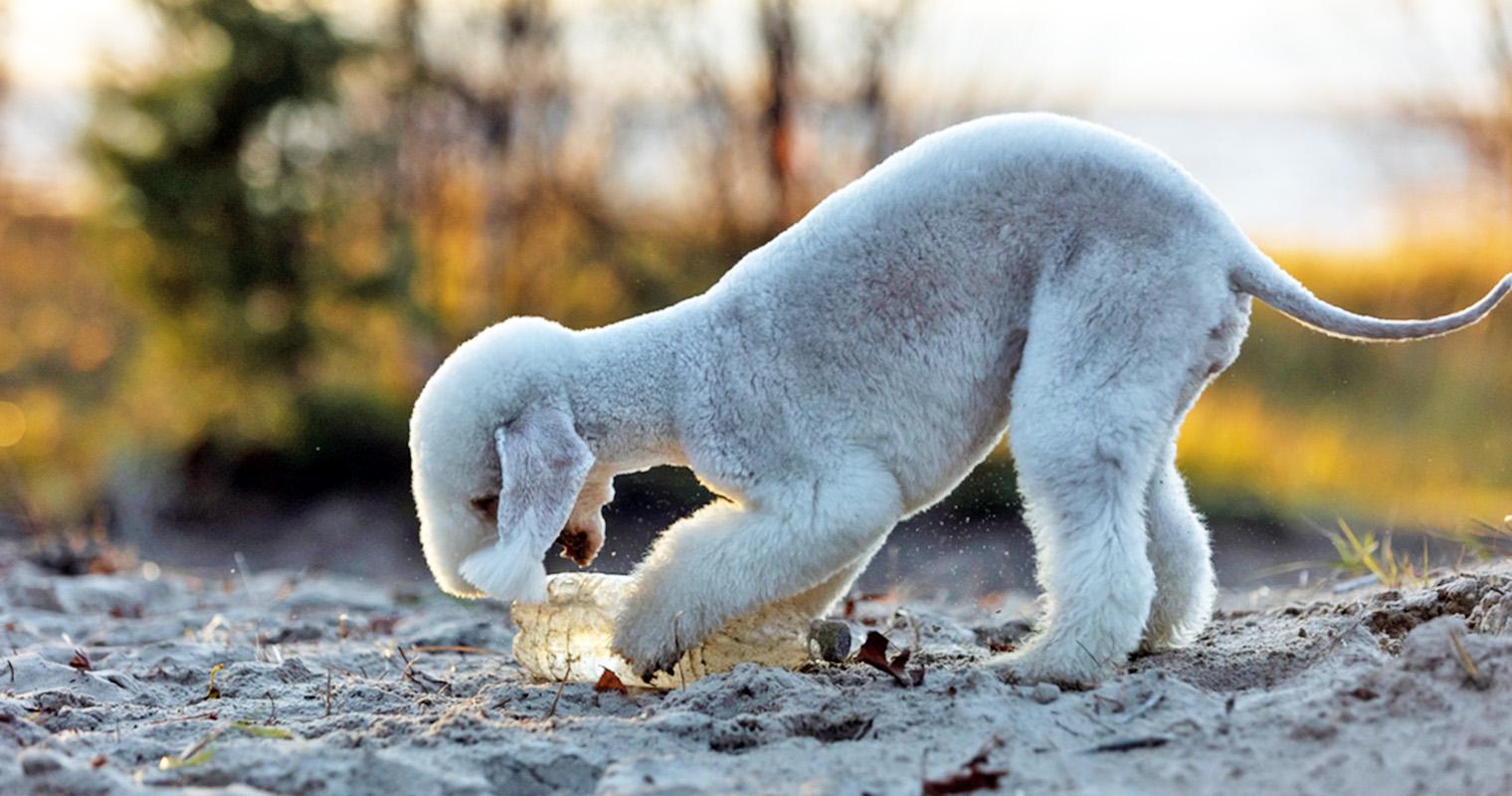
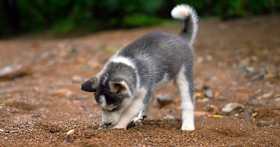
Is your pup an avid digger? For many pet parents, hole-digging hounds can present quite the challenge — leading to torn-up garden beds, holes under fences, and potholed yards. Although our initial response might understandably be to try to simply stop them from digging holes, it’s important to understand why your pup has a penchant for tearing up the ground and how you can support their canine needs, while keeping your sanity (and yard) intact.
Explore why dogs dig, how to prevent digging in inappropriate areas, and how to support their natural desire to dig. Also, learn to identify the signs that your pup’s digging might warrant a trip to the vet, training tips, and more.
Dogs dig holes for a myriad of reasons. These include instinct, boredom, escape, following their noses, medical causes, and simply because it is fun. Below, we’ll delve further into the causes of hole digging so you can better understand your canine companion’s behaviors.
Digging holes is a natural behavior for dogs. Although it might drive us humans wild to come home to holes in the yard, for our pals, digging is a totally normal, species-appropriate, and often highly rewarding behavior. Dogs inherited this trait from their wild canid ancestors, who dug holes as part of whelping and creating dens, burying excess food, hunting, burrowing prey, and regulating their body temperature. Domestic dogs still carry this genetic drive for digging in their DNA.
If your pup’s needs for daily mental and physical enrichment aren’t met, they may turn to digging to burn off excess energy and channel mental frustration. Bored or frustrated dogs often become destructive, and if they’re kept in a yard without much enrichment or companionship, they may tear up your flower beds or dig potholes in your yard.

Understanding why is the first step to preventing runaway dogs.
Some dogs are born to roam, especially hounds. Your dog might be digging holes under the fence in an attempt to go on an unsupervised adventure. High-energy dogs who need a lot of exercise and long walks are more likely to dig under the fence if their needs for physical exercise and exploring novel places aren’t consistently met. A dog who is frightened or feels insecure in their environment may also dig to escape. This can happen especially with high-anxiety foster pups and newly adopted dogs who haven’t settled into their homes yet.
Your canine companion may be an avid digger in their search for underground scents or sounds from critters. They may also dig to follow smells or sounds on the other side of a fence. Breeds created to hunt underground prey, such as Jack Russells and Dachshunds, are often particularly motivated to dig as they follow their noses or ears.
If your dog is sick or injured, their instincts may cause them to dig den-like holes in search of comfort or protection. They may be overheating, suffering from other health or behavioral conditions, such as separation anxiety or OCD. Oftentimes, dogs with clinical behavioral concerns will dig holes in an attempt to escape a confined area or to cope with their anxiety. Pica, a disorder caused by a number of health conditions described by the persistent chewing or eating of non-food items, may also be an underlying cause for a dog who digs and eats dirt.
Recognizing patterns of when and where your dog digs holes can help you understand why your pup engages in this behavior. Do they only dig under the fence? Or, perhaps they dig holes just when it’s hot outside. Do they dig solely while you’re gone? You might also notice that your pup digs holes if they haven’t gone on a long, engaging walk in a couple of days. Do they dig only shallow holes and then eat some of the dirt? Are they burying their toys? Identifying these digging patterns provides a clearer picture of your dog’s motivations and can help guide how you respond to and support their needs (and your sanity).

Some dogs just need a bit of training and encouragement to help them overcome undesired behaviors.
Although you want to prevent your pup from digging holes where they cause problems, such as under a fence or in your garden, preventing them from digging at all isn’t always the goal. Remember, digging is a natural and appropriate behavior for dogs, and in many cases, it’s important to provide them with safe, appropriate places to dig.
Provide them with a dog-safe sandbox, mulch piles, or another designated doggie digging pit. Hide toys, treats, and interesting smells in these areas to encourage digging in these appropriate spots.
Give them new games. Make yard time more interactive and engaging to redirect their digging energy towards other activities, such as fetch, tug-of-war, and scent games.
Provide them with “digging” zones inside. Use a cardboard box and crumpled paper or a snuffle mat for your dog to root and dig through.
Keep them cool in the summer. For dogs who dig shallow pits to keep cool, consider creating a shallow, dug-out area in a shaded area of your yard for outdoor time during hot weather
Ensure their mental enrichment needs are met with interactive toys, puzzle feeders, fun training sessions, and scent games.
Make sure your pup’s daily physical exercise needs are met and are appropriate for their breed and energy levels.
Make sure your dog is getting enough high-quality rest to balance their exercise. Even though dogs often dig to burn off excess energy, they can also dig because they are overstimulated from too much activity.
Take actions to help them feel safer and more secure: New fosters or rescued pups, in particular, may dig to escape.
Install a partially buried fence so they can’t easily dig underneath it.
If you suspect their digging may be related to a mental or physical health condition, schedule a visit with your vet or vet behaviorist. Anxious behaviors and eating dirt as they dig are signs to check in with your vet.
In addition to meeting their needs and providing alternative digging areas, you can use fun, engaging, and ethical training sessions to guide your dog away from digging holes in inappropriate places. Just note that training alone should never replace trying to understand the motivations behind their behaviors, and making sure you are meeting your pup’s mental, physical, emotional, and health needs.
You can train your pup to dig in approved areas using a positive interruptor and redirections. A positive interruptor is a way to stop a behavior without punishment, scolding, making harsh noises, and so on. Instead, you choose a word or a neutral, inviting sound (such as a kissy noise) and pair it with a high-value reward. Say the word or make the sound, and then immediately follow up with a high-value treat. After a few repetitions, you can delay the treat. Practice in low distraction environments to see if you’ve formed a strong enough association before using it to interrupt more engaging or exciting activities, such as digging.
Your dog will associate this sound or word with receiving a treat. Work up to maintaining eye contact for a few seconds before giving your pup their reward: This encourages your pup to immediately stop what they’re doing and look to you when they hear the positive interruptor.
Next, redirect them to a designated digging spot, and give them rewards once they dig in the appropriate spot. Keep the designated digging area stocked with hidden toys to make this more appealing. Practice positive interrupters throughout the day in neutral settings to encourage consistent success in more difficult scenarios.
Teaching “leave it” is similar to the positive interruptor, but it is more specifically applied. Teaching “leave it” will help your dog understand when you’d like them to walk away from or avoid something, and can help with boundary training. Teach your pup “leave it” with the following steps.
Hold a low-value treat (such as a piece of kibble) in your lightly closed fist at about eye-level with your pup.
Allow them to investigate your hand and try to figure out how to get the treat.
The exact second that they disengage from you or move their head away from your hand, say “yes” or “good” (which marks the exact moment your pup succeeds), and then give them the treat with your other hand. The key here is to immediately mark and reward even the slightest pause or movement of their head away from the treat, so you are setting your dog up for success.
Repeat steps one through three, and incrementally increase how long your pup needs to move their head away — or not try to get the treat — before you give it to them. (Note: You aren’t going to actually say “leave it” yet.)
Once your pup is successfully and consistently leaving the treat alone for several seconds, begin pairing their action with the words “leave it” and a reward. You can also teach this skill by having a different treat that you give them in a different hand, so that they never actually take the treat you ask them to leave. Ideally, you should always have an equal or higher value treat as the treat you give them.
Once your pup learns “leave it,” you can use this cue to prevent them from digging. When you notice your pup starting to scratch at the ground, redirect them to a different activity, guide them over to a designated digging area, or allow them to simply freely move on to a different part of the yard.
Although your dog’s digging is not inherently a problem, it can become one if your dog starts digging under fences, tears up your yard, or digs as a result of a mental or physical health issue. Sometimes, problematic digging can simply be solved by giving your pup access to a designated digging spot with lots of toys and treats hidden within the area. Other times, your dog may be digging because they are distressed, and you’ll need to solve the underlying cause.
Make sure to note when and where your dog digs, what their body language and behaviors are like in those moments (do they seem obsessive or frantic?), and what occurred before your pup started digging to help determine if their digging signals a problem.
Yes, digging is normal dog behavior inherited from their wild canid ancestors.
Your dog might suddenly start digging due to a myriad of reasons, such as stress or boredom, unmet emotional, physical, or mental enrichment needs, or underlying health conditions.
Yes, some dogs dig when stressed, so it’s important to closely observe their behaviors and consider their mental, physical, and emotional health when determining why your pup is digging holes.
Gessen, B., Martin, J., Nunley, J., & Pelayo, A. (n.d.). Why Does My Dog Dig? UC Davis Veterinary Medicine Clinical Animal Behavior Service. Retrieved November 21, 2025, from www.vetmed.ucdavis.edu/sites/g/files/dgvnsk491/files/inline-files/Why_Does_My_Dog_Dig.pdf
Pica in Dogs: Causes, diagnosis, treatment. (n.d.). Best Friends Animal Society. bestfriends.org/pet-care-resources/pica-dogs-causes-diagnosis-treatment
The Positive Interrupter. (n.d.). Chicagoland Veterinary Behavior Consultants. Retrieved November 21, 2025, from www.chicagovetbehavior.com/sites/site-7088/documents/The%2BPositive%2BInterrupter.pdf.

Cammi Morgan is a nature and pet care writer living off-grid with her pack of rescue and foster dogs in the mountains of Southeast Appalachia. In addition to her work with Adopt a Pet, she has contributed to Animal Wellness Magazine, PetsRadar, Global Comment, A-Z Animals and other online publications. Her passions include animal rescue, mycology, hiking, and caving.

Behavior & Training
Behavior & Training
Behavior & Training
Behavior & Training

Behavior & Training

Breed Info
Is this your first foray into dog parenthood? Read all about the friendliest, most adaptive types of pups who can easily fit into your lifestyle.
Behavior & Training
Some dogs may outgrow digging, but don’t count on it. Instead, try these ways to channel their natural instincts, save your yard, and keep your dog happier, too.

Breed Info
Are Dachshunds the worst breed ever? No — but they get a bad rap. There’s a lot of charm behind those quirks. Learn why they might just be the best breed ever.