A Guide to Making Your Cat Comfortable During Travel
Cats are tricky, especially during any change in their homelife. Here are some tips on making a long trip easier on your cat.
Cats are tricky, especially during any change in their homelife. Here are some tips on making a long trip easier on your cat.
by Katya Lidsky, | December 23, 2025

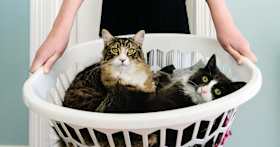
Elizaveta / Adobe Stock
Forget everything you’ve heard about cats being impossible travelers. Although dogs have cornered the market on road-trip companionship, plenty of felines are eager to explore the world beyond their favorite windowsill. The truth is, cats have personalities as diverse as our own. Some will always be homebodies who’d rather never face another car ride, but others are waiting for their chance to become your copilot.
The difference between a cat who howls through each highway mile and one who settles in for the journey often comes down to preparation. With the right approach, you might discover you’ve been living with an adventurous cat all along.
Before you book a pet-friendly rental or invest in travel gear, take a hard look at your cat’s temperament. Does your kitty hide under the bed when the doorbell rings, or do they investigate every new sound with curiosity? Some cats thrive on novelty, while others find security in sameness. Neither cat’s personality type is wrong, but understanding and accepting yours will save you both a lot of extra stress.

Are you wondering which type of cat will match your brand of human personality? Read on for some helpful advice.
It’s also important to consider your cat’s health. Brachycephalic breeds (such as the adorable flat-faced cats like Persians and Himalayans) are susceptible to breathing issues and temperature fluctuations. Meanwhile, travel for senior cats, especially those with chronic conditions, may be dangerous rather than just uncomfortable.
And don’t overlook an essential question: Will your destination welcome your cat? Do they have a dog who’s never met a cat, or allergies they’ve been downplaying? These conversations need to happen before you arrive at your destination.
Some cats will surprise you by transitioning beautifully to a vacation. Others will make it crystal clear they’re happiest staying put at their own house. Here’s how to help your cat travel with less stress.
A cat carrier is your kitty’s home base while you’re traveling. Yet most cats only see theirs once a year when it’s time for a veterinarian visit, which explains why they vanish the moment you pull it out from the closet. Breaking this negative association is your first step. For best results, start weeks before your trip to give your cat time to adjust.
Leave the carrier out with the door removed or propped open. Toss in your cat’s favorite blanket — one that smells like you is nice — and yummy treats. The goal is to make it something other than a trap. Feed meals near the carrier, maybe even inside it. Some cats will naturally start napping in there once they realize it’s not a portal to the vet’s office.

You can do this the easy way, or you can do this the hard way. (Here’s how to avoid the latter.)
Even the most adventurous cat needs time to adjust, so if you’re planning a big trip, start with short local drives or practice drives first. Think of it as a dress rehearsal, where everyone gets to opt out if it’s not working.
The first time you take your cat on a practice drive, be prepared for vocalizations. Some cats will protest loudly before settling down, and that’s normal. What you’re listening for is if they eventually quiet down or if it escalates in distress.
On travel days, skip breakfast. An empty stomach significantly reduces the risk of car sickness and vomiting. Your cat will thank you when they’re not dealing with nausea on top of the stress of travel. You may want to offer them small amounts of water or ice cubes to prevent spills if it’s a long destination. Plan to feed them a small meal when you reach your destination.
Before you go anywhere, make sure your cat is microchipped and that your contact information is up to date. A current photo and collar with an ID tag listing your cell phone number is also recommended in case you get separated.
Check what documentation you’ll need for your destination. Crossing state lines often requires nothing more than proof of a rabies vaccination, but some may require additional documentation. International travel is far more complex, with health certificates, quarantine periods, and specific vaccination timelines. Research this early, because some international paperwork needs to be taken care of months in advance.
You should pack a water dish, your cat’s regular food (sudden diet changes and travel stress are a bad combination), their favorite treats, any medications, and an emergency kit. Throw in a disposable litter box or two — the kind that comes with litter already inside is great for traveling. You might want to create a clean-up kit too: puppy pads, paper towels, disposable gloves, baby wipes, and zip-lock bags for messes.
An emergency kit isn’t pessimism — it’s practical. Pack enough food and water for at least two extra days beyond your planned trip. Unexpected delays may happen: traffic jams, road closures, weather delays, or that wrong turn that adds three hours to your drive. Having extra cat supplies means you’re not desperately searching for a pet store in an unfamiliar town or adding to the discomfort your cat may be experiencing.
Timing your departure for after your cat’s morning bathroom routine can buy you several hours of comfortable travel before they need a litter box. It’s the small things that make a surprisingly big difference when traveling with a cat.
Spraying the carrier with Feliway (a synthetic cat pheromone) about 15 minutes before you place your cat inside it can help. It mimics the calming pheromones cats produce when they’re relaxed and might take the edge off anxiety. Don’t spray it directly onto your cat or while they’re inside — the alcohol base needs time to evaporate.

Although some cats seem calm and well-behaved enough to handle that, it takes just one startled moment for them to end up under the brake pedal or to bolt out an open door at a stop. And that’s before you even factor in what could happen during an accident.
Keep them secured in the carrier. If you’re using a large dog crate and have space, you can actually set up a small litter pan inside for longer trips, giving them a chance to relieve themselves without leaving their safe spot.
It is OK for your cat to stay in their carrier during the trip. They’re already processing a lot of new stimuli, and adding more doesn’t always help. But don’t leave your cat alone in a parked car even for a minute. Cars become ovens or freezers depending on the weather, and heat stroke can happen frighteningly fast.
If you want to let your cat stretch — and you’re already practiced with a harness and leash beforehand — just choose areas away from traffic.
When you finally arrive at your destination, resist the urge to force your cat to explore right away. They’ve just endured hours of strange sounds, movements, and smells. What they need is to decompress.
Set up a small, quiet room with all their essentials: water, food, a litter box, familiar toys, and a blanket they recognize. This can be their home base as they adjust. Some cats will be ready to explore the new place within hours, but others need a few days. Let them set the pace.
Keep their routines as consistent as possible. Feed them at the usual times, play with them the way you do at home, and try not to hover anxiously. Cats are emotional sponges — they pick up on your stress and amplify it. The more you can project calm, the faster they’ll settle in.
There’s a wide range of calming aids, and you should feel no shame in using them. For mildly anxious cats, try Feliway diffusers in your destination room or calming treats with ingredients such as L-theanine or chamomile. Thundershirts — snug wraps that apply gentle pressure — work for some cats by providing a swaddled, secure feeling.
For more anxious cats, talk to your vet about anti-anxiety medication. Medications may include drugs such as:
Gabapentin
Butorphanol
Acepromazine
Pregabalin
Cerenia
Whatever you decide to use, do a trial run at home first. You need to know how your cat reacts to medication before you’re on the road using it. Sometimes, intervention can actually increase anxiety, or your cat might be one of the small percentage who has a side effect. Better to discover this in your living room than on the highway.
Sometimes the most loving choice is not to take your cat with you at all. If your cat shows signs of severe stress during practice runs — panting, drooling, dilated pupils that don’t adjust, or trying to escape the carrier frantically — they’re telling you something important. Listen to them. Some cats genuinely prefer their own territory to any adventure, and that’s fine. They’re not failing at being cats — they’re just being honest about their limits and individual needs at this time.
For these cats, a trusted pet sitter who can visit your home or a quality boarding facility might be far less stressful than traveling. Yes, you’ll miss them. But causing days of distress to avoid a few days of separation isn’t better.
Each trip requires a decision. Maybe your cat handles weekend car trips fine, but melts down on flights. You’ll learn their specific boundaries over time, and adjusting your plans to accommodate them is good pet parenting.
Traveling with cats requires preparation. But for cats with the right temperament — and pet parents willing to put in the work — this opens up possibilities that benefit everyone. Honest assessment, thorough preparation, and remaining flexible enough to change plans are necessary considerations. Pay attention to what your kitty is telling you, and prioritize their comfort and security. That’s all any travel companion, feline or otherwise, can really ask for.
Twenty-four hours is the maximum time most cats can be left alone when you’re traveling, and even then, it requires setup. Before you leave, put out extra food and water (automatic feeders are worth the investment), and thoroughly scoop the litter box. Cats also require interaction, mental stimulation, and someone to notice if something goes wrong. Arrange for a friend, family member, or pet sitter to check in on them.
To help an anxious cat during travel, start with the carrier itself. Draping a light blanket over it creates a den-like feeling that helps many cats feel protected rather than exposed. Secure the carrier so it doesn’t slide around — every unexpected movement can amplify stress. Some cats also respond well to classical music or to hearing your voice. Talk to them in soothing, reassuring tones throughout the trip. For cats with serious anxiety, talk to your vet about anti-anxiety medication.
If your cat hates their carrier, leave the carrier out with the door off or open, a cozy blanket inside, maybe a few treats scattered in there, and feed meals near or inside it. The goal is to make it boring, familiar, and not a vet-trip prison. Reward any interaction with the carrier, such as sniffing it, stepping inside, or hanging out in there with high-value treats (the fancy stuff they only get on special occasions) to speed up the process. But let it be gradual and let your cat set the pace. If your budget allows, sometimes starting fresh with a new carrier works wonders.
Cats can get carsick just like people do. The signs of motion sickness in cats are excessive meowing or yowling, drooling, lip-licking, restless movement, and panting, which is unusual for felines and signals real distress.
Prevention helps more than treatment for motion sickness in cats. Have your cat travel on an empty stomach, keep the car well-ventilated with windows cracked, and drive as smoothly as possible. Position the carrier so your cat can see out the window a bit, but isn’t getting a full view of the world whipping by, which can worsen nausea. If motion sickness is a recurring problem, talk to your vet about anti-nausea medication before your next trip.
Create a safe zone, and secure anything dangerous: toxic plants (lilies, pothos, philodendrons), cleaning supplies, medications, and small objects your cat could swallow. If your cat is a counter-surfer, clear off anything breakable or valuable, as well as any plugged-in appliances. Close doors to rooms with potential hazards, such as laundry rooms with detergent or garages with antifreeze. Make sure all windows are secured. You may want to leave a light on, so they don’t navigate in complete darkness come sundown. Finally, consider setting up a camera so you can check in remotely and make sure everything’s going OK.
Your cat should be able to stand up completely in the carrier, turn around, and lie down comfortably. For car travel, you have more flexibility with size and can opt for larger, soft-sided carriers. For air travel, make sure to check airline requirements.
Cprice. “Should They Stay or Should They Go? Things to Know before Taking Pets on Holiday Trips.” VMBS News, 12 Dec. 2024, vetmed.tamu.edu/news/pet-talk/taking-pets-on-holiday-trips.
Grota, Jennifer. “8 Tips for Traveling with a Cat.” Petmd.com, PetMD, 2 Dec. 2022, www.petmd.com/cat/care/8-tips-traveling-cat.
“How Long Can You Leave Your Cat Alone? | Petsnowy.” Petsnowy.com, 31 Mar. 2025, petsnowy.com/blogs/press-updates/cat-travel-planning-time-guide.
Penny. “Train Your Cat to Love Traveling - Catnip Casa Cat Refuge.” Catnip Casa Cat Refuge, 7 Apr. 2016, www.catnipcasa.org/train-cat-love-traveling.

Katya Lidsky is a former dog trainer turned writer, certified breathwork coach, and creative grief coach for animal welfare professionals, supporting them through burnout, blocks, and boundaries so they can find more bliss as they continue to care for animals. Her book, Be Your Dog's Best Friend: The Benefits of Mutual Bonding and Relationship Building, comes out this fall. Follow her on Instagram at @KatyaLidsky

Behavior & Training

Behavior & Training

Adoption Advice

Breed Info
Thinking about adopting a cat of this breed? Here are several reasons why that’s a terrific idea.
Adoption Advice
Thinking about adding another cat to your home? Here’s how to expand your family, minus the drama.

Behavior & Training
Here are all the subtle (and not-so-subtle) ways cats show affection and love for their humans.

Adoption Advice
Curious about cat-proofing? Learn how to make your home safe and enjoyable for your cat.

Behavior & Training
Boredom in cats can lead to behavior problems. Discover how to spot the signs of a bored cat and simple activities to keep them engaged.

Adoption Advice
We debunk the myths, and walk you through when this can be an excellent idea.