Why You Should Consider Adopting from a Chihuahua Rescue
Learn more about these cute and loyal pups, who are full of spunk.
Learn more about these cute and loyal pups, who are full of spunk.
by Katie Koschalk, | September 10, 2025

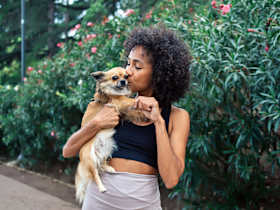
Julia Potato / Stocksy
Adopting a Chihuahua rescue dog means giving a second chance to a little dog who truly needs it. These dogs can have a wide range of traits, making each one unique in looks, size, personality, and energy level.
Because Chihuahuas are such a popular breed, these rescues are among the most common dogs found in shelters. In some cases, they’re surrendered simply because their previous guardians weren’t fully prepared for their unique needs and personalities. That’s why it’s important to know what to expect.
These little dogs are full of charm (and will likely become your next little bestie), but there are a few important things to know. From temperament quirks to care needs, this guide will help you understand what makes a Chihuahua rescue dog unique and how to decide if adopting one is right for you.

Bianca Beltran / Pexels
No two are exactly alike, but across the board, many rescue Chihuahuas share a few standout qualities that make them popular with pet parents.
Most rescue Chihuahua stay relatively small, making them ideal for apartment living, traveling, or simply curling up in your lap. Their petite size also means lower food costs and easier handling.
Chihuahuas are famously bold, often acting like they’re 10 times their size. If your rescue has this bold streak, it can be quite entertaining. However, that same confidence can sometimes come with a side of stubbornness or reactivity, which are traits that some rescue Chihuahuas may have as well.
These rescue dogs tend to form strong bonds with their people and often become fiercely devoted companions. A rescue Chi might be a great fit if you’re looking for a pup who’ll be your shadow.
Chihuahuas are known for their longevity, and many rescue dogs have this trait. With good care, it’s not uncommon for a rescue Chihuahua to live into their mid-teens or beyond.
Rescue Chis are surprisingly versatile when it comes to living arrangements. Whether you’re in a cozy apartment or a busy household, they can thrive with proper care. Their small sizes make them easy to bring along on outings. And while they enjoy and need playtime and walks, many are perfectly content spending most of the day curled up by your side.
While coat type varies, many rescue Chihuahuas are relatively low-maintenance when it comes to grooming, especially if they have short or medium-length fur.
Rescue Chihuahuas generally don’t require intense workouts to stay happy and healthy. Most are satisfied with a couple of short daily walks, some playtime, and mental stimulation. While they can have bursts of energy, especially when young, their small sizes mean they burn off steam pretty quickly. This makes them great fits for people with a more relaxed lifestyle or limited space.
Rescue Chihuahuas may be adorable and full of charm, but they’re not the right fit for every household. Here are a few important things to consider before adopting one.
Can be vocal: Many Chihuahua have a lot to say. They may bark at strangers, noises, or just out of excitement. Although this can make them great little watchdogs, it’s something to keep in mind if you live in an apartment with thin walls or prefer a quieter household.
Prone to “small dog syndrome”: Without proper boundaries and training, some Chihuahuas can develop what’s often jokingly called “small dog syndrome” — think bossy behavior, resource guarding, or selective listening. Consistent training and socialization help prevent these habits from forming.
May be wary of strangers: Some Chis are naturally cautious or reserved around new people or unfamiliar dogs. Early socialization can help them build confidence and develop healthy relationships, but some may lean toward being shy or selective about whom they trust.
Fragile bodies: Even with a tougher rescue mix in their lineage, many Chis are still quite delicate. Jumping off furniture, rough handling, or playing too roughly with larger dogs can lead to injuries, so gentle play and supervision are important.
Fear and anxiety: Some Chihuahuas are prone to anxiety and reactivity. Their small sizes often make them more alert and defensive, especially in unfamiliar situations or around strangers and other animals. This can manifest as barking, growling, or snapping — behaviors rooted more in fear or overstimulation than true aggression. Behaviors like this can often be managed or improved with early socialization, positive reinforcement training, clear boundaries and routines, and desensitization to triggers (such as other dogs or loud noises).
Health concerns: Although rescue mixes tend to be hardy little dogs, they can still inherit some of the breed’s common health concerns. These may include heart conditions such as patent ductus arteriosus or mitral valve disease, eye issues, and patellar luxation (a condition where the kneecap slips out of place). Staying on top of routine vet visits and preventive care is key to keeping them happy and healthy.
Cold weather considerations: Due to their small sizes and (often) short coats, many Chihuahuas are sensitive to cold temperatures. They can get chilly easily, even indoors, so sweaters, jackets, and cozy blankets may become part of your daily routine in colder months. If you live in a colder climate, you’ll also want to limit outdoor time during winter and keep walks short.
Rescue Chihuahua come in all shapes, sizes, and personalities, depending on the breeds they’re paired with. Here are a few common types of Chihuahua mixes found at rescues, and which kinds of pet parents they might be best suited for.

Jaclyn Vernace / Shutterstock
(Chihuahua + Dachshund)
Weight: 8 to 12 pounds
Traits: Loyal, spunky, and alert — as long as they’re with their favorite person, they’re adaptable, friendly, and affectionate. They may need extra patience with training.
Best for: Apartment dwellers or singles looking for a devoted sidekick with a quirky streak

Katelyn Redlin / Shutterstock
(Chihuahua + Pug)
Weight: 10 to 20 pounds
Traits: Social, affectionate, and curious — Chugs are typically friendly with people and other pets.
Best for: Families or individual parents looking for a fun-loving companion

Mary H. Swift / Alamy Stock Photo
(Chihuahua + Pomeranian)
Weight: 4 to 10 pounds
Traits: Feisty, confident, and intelligent — Pomchis often act like tiny royalty and enjoy being the center of attention.
Best for: Those who want a bold, personality-packed lapdog, but might not be a great fit for families with small children

Karen Culp / Shutterstock
(Chihuahua + Jack Russell Terrier)
Weight: 8 to 18 pounds
Traits: Friendly, intelligent, and active — these dogs are full of energy and love interactive play.
Best for: Active individuals or families who can provide plenty of exercise and mental stimulation

Lal Nallath / Shutterstock
(Chihuahua + Poodle)
Weight: 5 to 20 pounds
Traits: Smart, affectionate, and somewhat hypoallergenic (ie, shed less) — this mix can be easier to train, though they can be unpredictable.
Best for: Allergy-sensitive households or those looking for a clever, cuddly companion, but may not be a great fit for families with young children
To explore more Chihuahua mix possibilities, check out our guide to 20-plus Chihuahua mixes.
If you’re already thinking about names for your Chihuahua and are ready to add one to your family, pet adoption websites are a great place to start. Sites, such as Adopt a Pet, allow you to filter by breed, location, size, and traits, making it easier to find the right match for your home and lifestyle.
You can also check with local animal shelters and rescues, or Chihuahua-specific rescue groups in your area. Although adoption typically comes with a modest fee, that cost will help cover essential services such as vaccinations, spaying or neutering, and basic vet care.
Small dog rescues do big work. Groups dedicated to Chihuahuas and Chi-mixes step in for the overlooked, the scared, and the abandoned — giving them a real second chance at life. Here are a few doing just that.
Based in Nevada, Chihuahua Rescue Truckee Meadows is a 501(c)(3) nonprofit that helps Chihuahuas, Chi-mixes, and other small dogs. They guide pet parents, rehab pups with fear or distrust, and give those dogs a real shot at feeling secure with humans again.
Chihuahuas of the Valley is a volunteer-run rescue in Los Angeles, powered by donations and adoption fees. They pull dogs from open admission shelters (and the occasional stray when there’s room) and match them with loving forever homes.
AZ Chihuahua Rescue is a 501(c)(3) nonprofit, fully volunteer-run. Their network brings together experienced rescuers who once worked solo but now team up to pool resources and save more dogs.
Chihuahua Rescue Indiana is a nonprofit, all-volunteer group dedicated to Chihuahuas and Chi-mixes. Dogs live in foster homes, not kennels, so they’re truly known before adoption—making it easier to match each pup with the right family. Their mission covers adoption, rescue, education, and transport, all rooted in one belief: every Chihuahua deserves a loving home.
Many Chihuahuas end up in shelters and rescues because of irresponsible overbreeding and people underestimating their needs. They’re often surrendered for being “too much” energy, for barking, or simply because families move or no longer want them. Most just need stability, training, and a committed home.
Every Chihuahua is different, but it usually takes a few weeks to a few months for them to fully settle in. Some may relax quickly, while others need more time, patience, and consistency to feel safe and at home.
There are two official types of Chihuahuas: smooth coat (short-haired) and long coat (long-haired). That’s it. You’ll hear people talk about “apple head” and “deer head” Chihuahuas, but those are just descriptions of head shape, not recognized breeds or types.
No, Chihuahuas aren’t inherently difficult, but they do often have bold personalities that aren’t for everyone. They’re intelligent, loyal, and full of spunk, but without proper training and socialization, they can become territorial or overly attached.
“Chihuahua.” American Kennel Club, www.akc.org/dog-breeds/chihuahua.
“Chihuahua.” PDSA, www.pdsa.org.uk/pet-help-and-advice/looking-after-your-pet/puppies-dogs/small-dogs/chihuahua.
Rey, Lauren. “The Chihuahua | Breed Information and Care Guide.” 24 Pet Watch, www.24petwatch.com/blog/chihuahua-guide.

Katie Koschalk is a freelance writer based in Northern California. Fusing her love and knowledge of animals with her journalism degree and years of professional writing, Katie is dedicated to improving the lives of pets and their caretakers by sharing helpful and accurate information. When she’s not at her desk, you can find her exploring trails with her Aussie, Hunter, cooking plant-based meals, and talking to her two cats, Jax and Sadie, in really ridiculous voices.
Breed Info
Breed Info
Breed Info

Adoption Advice
They’re small on footprints, but big on personality. Follow us for the cutest, coolest, most unique names for your tiny pup that deserves a statement moniker.

Breed Info
Yes, unicorn dogs do exist. Here are 10 breeds who require little grooming and exercise, but still offer lots of love.
Behavior & Training

Breed Info
Are you thinking of adopting a small dog? Learn more about small dog breeds and what it takes to keep them happy.

Breed Info
Are you a snuggler? If you’re looking for a lap dog, here are some go-to breeds.

Breed Info
These low-maintenance breeds make great pets for busy professionals, first-time pet parents, and seniors.

Shelters & Rescue
These dog breeds often fill shelters — discover the reasons behind their frequent surrenders.
Breed Info
Is this your first foray into dog parenthood? Read all about the friendliest, most adaptive types of pups who can easily fit into your lifestyle.

Breed Info
Want a dog who sticks to you like glue? We’ve got just the breeds for you. Below, our shortlist of some of the most adoring canine breeds.