11 Dogs Like Doberman Pinschers
If you love Dobermans, these energetic, protective, and devoted breeds might be right up your alley.
If you love Dobermans, these energetic, protective, and devoted breeds might be right up your alley.
by Katie Koschalk, | April 21, 2026

Pixel-Shot / Adobe Stock
Doberman Pinschers have a way of turning heads with their sleek build and commanding presence. But it’s their loyalty and intelligence that really stand out. These black-and-tan pups are the definition of a Velcro dog: devoted, protective, and often convinced they belong in your lap (despite weighing up to 100 pounds).
Dobermans aren’t the only dogs with these qualities, though. Many other breeds — and plenty of mixed-breed dogs in shelters and rescues — share similar traits. If you’re considering a Doberman, it’s worth exploring these options as well. You may find an even better fit for your lifestyle, whether that comes down to size, appearance, personality, or care needs.
As you read, take note of the breeds who catch your eye then browse Adopt a Pet or visit your local shelters and rescues.
Although the German Pinscher is the Doberman’s closest relative, breeds like the Beauceron and Black and Tan Coonhound share strikingly similar looks and loyal temperaments.
Physical appearance is only half the story — most Doberman-like breeds require significant mental stimulation and daily exercise to stay happy.
Many of these breeds, including Doberman mixes, are frequently available in shelters and rescues because their high energy levels can overwhelm unprepared pet parents.
Adopting a Doberman-like mix is a great way to find a dog with a similar athletic build and protective instinct, while giving a home to a pet in need.
Doberman Pinschers are part of the working group and were originally bred for personal protection. Although Dobermans were once widely used in police work and the military, they are now more common as family pets.
Here are the defining traits of this breed.
Dobermans are medium-to-large dogs, typically standing 24 to 28 inches tall and weighing between 60 and 100 pounds. They have a sleek, muscular build and a short, smooth coat, most commonly seen in the classic black-and-tan coloring.
Dobermans are known for being loyal, affectionate, and highly alert. They’re naturally protective of their people and environment, and their intelligence makes them highly trainable when given consistent guidance.
Without proper training, structure, exercise, and mental stimulation, these dogs can become pushy, destructive, and difficult to manage. They’re also large and strong, so it’s important that their pet parent can handle them. Early socialization and consistent obedience training are essential to help them grow into well-mannered companions.
This is a high-energy breed who needs about one-and-a-half to two hours of daily exercise. Activities such as brisk walks, running, hiking, and interactive play are essential to keep them physically and mentally satisfied.
Dobermans are often described as Velcro dogs because they form very close bonds with their people and prefer to be near them as much as possible. These affectionate pups don’t enjoy being left alone for long periods and thrive in homes where they’re included in daily life.
Dogs similar to Dobermans often share some of their key traits, whether in appearance, personality, or work ethic. Here are a few breeds who reflect those qualities in their own unique ways.

The German Pinscher is essentially the Doberman’s smaller, older cousin. As one of the breeds used to develop the Doberman Pinscher, they share a sleek build, alert nature, and high energy. Like Dobermans, they’re intelligent, highly trainable, protective, affectionate, and deeply loyal to their people. The main difference is that the German Pinscher comes in a more compact package.
Height: 17 to 20 inches
Weight: 25 to 45 pounds
Best for: Experienced pet parents who want a Doberman-like dog in a more compact size
shargoo / Pixabay
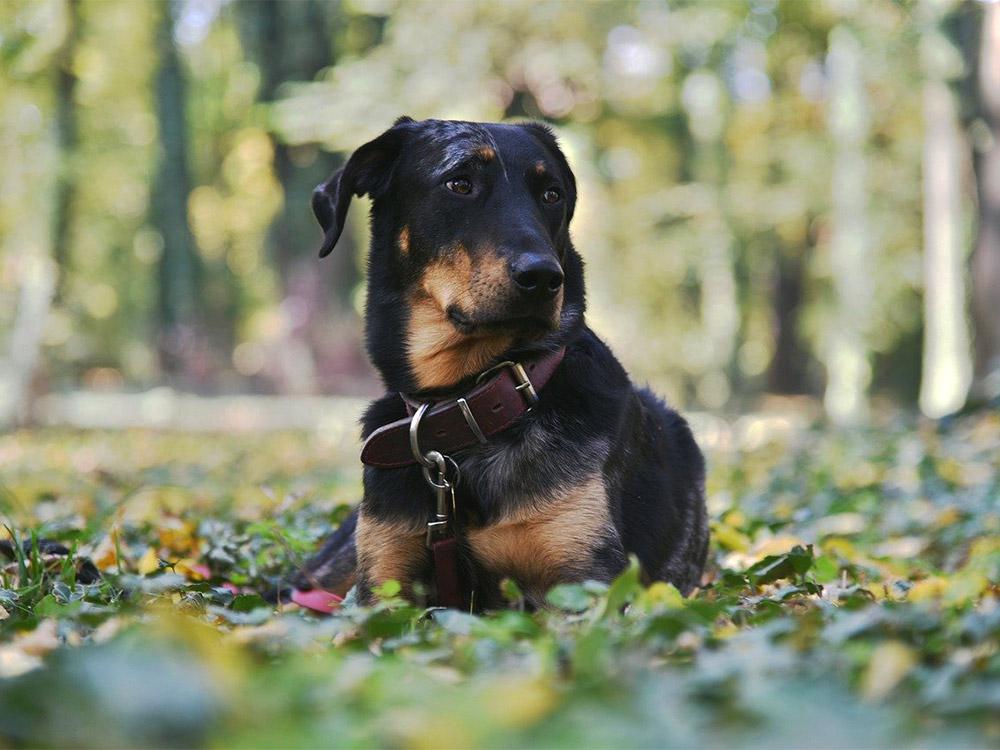
The Beauceron is a large French dog originally bred for herding and guarding. They are often mistaken for long-legged Dobermans due to their black-and-tan coat, similar size, and often pointed ears. They share similar protective instincts, energy, and loyalty to their people. But Beaucerons tend to be more challenging to train, more wary of strangers, and less outwardly affectionate.
Height: 24 to 27.5 inches
Weight: 70 to 110 pounds
Best for: Experienced pet parents who can handle a powerful dog and provide firm, consistent training and leadership

Pierre Leclerc / Shutterstock
Despite their name, sleek appearance, and similar black-and-tan coloring, the Miniature Pinscher (aka the Min Pin) isn’t a miniature Doberman. These tiny pups are a distinct, older toy breed originally bred to catch rats. That said, they do share some key traits with Dobermans, including high energy, intelligence, and loyalty. The Min Pin is sometimes stubborn, which can make them more difficult to train than the Doberman.
Height: 10 to 12.5 inches
Weight: 8 to 10 pounds
Best for: Experienced pet parents seeking a bold, Doberman-like dog in a tiny package

Shchus / Shutterstock
Rottweilers and Dobermans have many similarities. Both are powerful, black-and-tan guardian breeds known for their confident presence, loyalty, gentleness with their families, and high trainability. Like Dobermans, Rottweilers were bred for protection, but Rotties tend to be lower in energy and have a more relaxed temperament. In terms of appearance, Rotties are stockier and heavier, while Dobermans are sleeker and more athletic.
Height: 22 to 27 inches
Weight: 80 to 135 pounds
Best for: Experienced pet parents who can handle a powerful dog and seek a more laid-back version of the Doberman

Petra Richli / AdobeStock
The Black and Tan Coonhound shares the Doberman’s coloring, size, and love for their family, but their personality is quite different. Rather than guarding, they were bred for scent tracking, so they tend to be more independent and driven by their nose than by a desire to protect their home. They’re generally lower energy than Dobermans, but can still keep up with an active household. That said, they also love becoming couch potatoes for hours on end.
Height: 23 to 27 inches
Weight: 65 to 110 pounds
Best for: Experienced pet parents who can handle a powerful dog and are looking for a lower-energy version of the Doberman
Alberlan Barros / Pexels
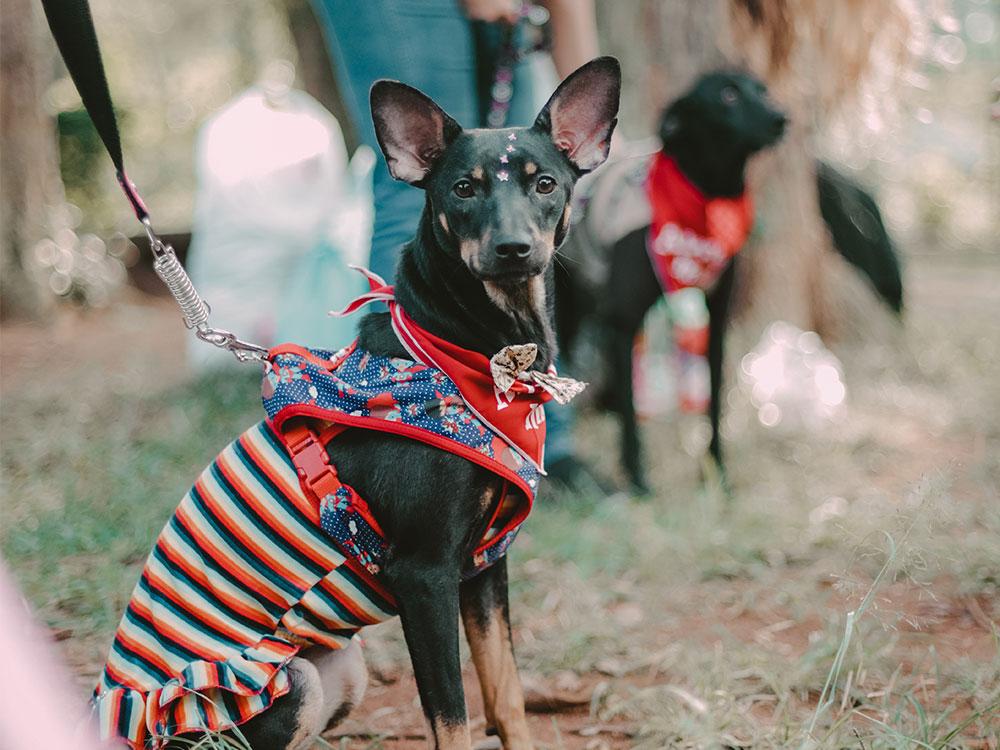
The Manchester Terrier has a sleek, Doberman-like appearance in a much smaller, more agile package. Originally bred to hunt vermin, they’re sharp, alert dogs who make excellent watchdogs (though they’re not true personal protection dogs like Dobermans due to their smaller size).
They share several traits with Dobermans, including intelligence, trainability, and strong bonds with their families. However, Manchester Terriers tend to bring a bit more classic terrier independence and curiosity to the mix.
Height: 15 to 16 inches
Weight: 12 to 22 pounds
Best for: Pet parents with some dog experience seeking a smaller, more agile companion with some Doberman-like personality traits

Olga Ovcharenko / AdobeStock
The Belgian Malinois is a herding breed, though they’re widely used in police and military work. Like Dobermans, they’re highly intelligent, loyal, athletic, and protective.
Malinois are smaller than Dobermans, but even more intense. They require at least two hours of vigorous daily exercise, along with plenty of mental stimulation, to stay well-mannered. They’re also known for being “mouthy,” using their mouths to interact with their environment or release energy. This trait requires experienced handling and consistent training.
Height: 22 to 26 inches
Weight: 40 to 80 pounds
Best for: Highly active, experienced pet parents who can provide vigorous daily exercise, consistent training, mental stimulation, and ideally, a working role

Karolina Grabowska / Pexels
The Weimaraner may not share the Doberman’s black-and-tan coloring, but they have a lot in common: a similar size, a sleek build, a classic Velcro dog personality, high trainability, and tons of energy.
Originally bred as hunting companions, Weimaraners form very close bonds with their people, have a protective nature, and want to stay by their humans’ side as much as possible. If anything, they can be even more clingy than Dobermans. They’re also big-time people pleasers.
Height: 23 to 27 inches
Weight: 55 to 90 pounds
Best for: Experienced pet parents who want a constant companion with Doberman-like qualities

Tierfotoagentur / Alamy Stock Photo
Like Dobermans, Vizslas are often described as Velcro dogs due to their strong desire to stay close to their people. Originally bred to hunt alongside humans, they thrive on constant interaction and engagement. They also share Dobermans’ high energy and trainability, though Vizslas tend to be more sensitive and less focused on guarding. If you’re looking for a medium-sized dog who will happily join you wherever you go, a Vizsla fits the bill.
Height: 21 to 24 inches
Weight: 45 to 65 pounds
Best for: Experienced pet parents seeking a constant companion who shares the Doberman’s high energy and trainability

The Australian Kelpie is a highly intelligent, medium-sized herding dog with seemingly endless energy. Although some have a black-and-tan coat reminiscent of a Doberman, the real similarity lies in their drive. Kelpies share the Doberman’s work ethic, intelligence, and need for mental stimulation.
They typically require around two hours of daily exercise, alongside challenging activities to keep their minds engaged. Compared to Dobermans, they’re usually less protective and less outwardly affectionate, but are often even higher in energy.
Height: 17 to 20 inches
Weight: 25 to 45 pounds
Best for: Highly active, experienced pet parents who can provide vigorous daily exercise, consistent training, mental stimulation, and ideally, a working role

Georges Hanna / Shuttersock
Many mixed-breed dogs resemble Dobermans and share similar traits, such as loyalty, intelligence, and being affectionate. Their appearances and traits vary widely, though, offering many possibilities.
Mixed-breed dogs are the most common type of dog found in shelters. Visiting a shelter allows you to meet multiple dogs at once, making it easier to find one whose personality and temperament truly align with your lifestyle.
Height: Varies
Weight: Varies
Best for: Anyone with an open mind, looking for a great personality match
Doberman-type dogs can be incredible companions, but they’re not the right fit for every household. These breeds are high-energy, powerful, highly intelligent, and deeply people-oriented, which means they come with distinct needs.
Daily exercise: These breeds need at least one-and-a-half to two hours of physical activity daily.
Mental stimulation: Training, enrichment toys, or structured “jobs” are a must.
Close companionship: Many are classic Velcro dogs, who want to be near their people at all times. They may be prone to separation anxiety due to their strong attachments.
Training and socialization: Early, consistent training and ongoing socialization are essential to help these dogs develop good manners and keep their protective instincts in check.
If their needs aren’t met, these dogs can develop problem behaviors, such as excessive barking, chewing, or restlessness. In these cases, they’re not being “difficult” — they’re just understimulated and unable to fully express their natural tendencies.
It’s also important to note that breeds known for protecting and guarding, like Dobermans and Rottweilers, should never be isolated or left outside. These dogs are family companions who thrive when they live indoors and are included in daily life with their people.
Unfortunately, smart, driven, and energetic dogs are among the most common types surrendered to shelters and rescues. This usually comes down to a mismatch between a pet parent’s expectations and reality. A dog who needs hours of activity and mental stimulation can feel overwhelming for unprepared pet parents.
Common reasons these dogs end up in shelters and rescues include:
Underestimating exercise and enrichment needs
Lack of time for their care
Behavioral challenges linked to boredom or frustration
Major life changes that reduce time availability
The good news is that these same traits — intelligence, loyalty, and high energy — also make them incredible companions in the right environment. Many Doberman-like dogs thrive once they’re given structure, outlets, and a committed pet parent.
If you’re looking for a Doberman or a similar breed, start by searching Adopt a Pet’s dog database using breed filters. The results will show dogs available for adoption from shelters, rescues, and individual homes in your area. Keep an open mind about mixed-breed dogs who can offer many of the same positive personality traits as a purebred Doberman.
If you don’t see the pup you’re looking for, set up a New Pet Alert to be notified whenever new pets are listed on Adopt a Pet who match your criteria. You can also visit local shelters to meet dogs in person. This is a great way to interact with several dogs, ask staff questions, and find your perfect match.
The Beauceron and Rottweiler are both larger breeds who share the Doberman’s black-and-tan coloring and protective instincts. Beaucerons tend to be taller and leaner, while Rottweilers are more muscular and heavier.
No, but they’re closely related. The German Pinscher is one of the breeds used to develop the Doberman Pinscher and shares a similar look and personality, just in a smaller size.
This depends on the individual dog and the pet parent. If you’re prepared to commit to training, exercise, mental stimulation, and structure, they can be a great fit. Others may prefer a more laid-back dog for their first pet, so it ultimately comes down to your lifestyle, time availability, and level of commitment.
“Doberman Pinscher” Adopt a Pet. 2026, www.adoptapet.com/dog-breeds/doberman-pinscher.
“Doberman Pinscher.” VCA Animal Hospitals, vcahospitals.com/know-your-pet/doberman-pinscher.

Katie Koschalk is a freelance writer based in Northern California. Fusing her love and knowledge of animals with her journalism degree and years of professional writing, Katie is dedicated to improving the lives of pets and their caretakers by sharing helpful and accurate information. When she’s not at her desk, you can find her exploring trails with her Aussie, Hunter, cooking plant-based meals, and talking to her two cats, Jax and Sadie, in really ridiculous voices.
Breed Info
Breed Info
Behavior & Training

Breed Info
From Border Collies to Golden Retrievers — we’ll point you toward the breeds who excel in obedience.
Breed Info
Read up on large dog breeds and what it takes to keep them happy.

Breed Info
From cuddly companions to vigilant defenders, meet the dogs who do it all.
Breed Info
Looking for an intelligent pup? You’ve come to the right place.


Breed Info
What makes a dog’s coat so unique? We explain the genetics behind everything from coat color to coat patterns, in a way that’s easy to understand.