The Laziest, Most Laid-Back Dog Breeds
Looking for a chill companion? Here are some low-energy dogs who love a relaxed lifestyle.
Looking for a chill companion? Here are some low-energy dogs who love a relaxed lifestyle.
by Jackie Brown, | May 6, 2025

Cavan Images / Alamy Stock Photo
Call them mellow, relaxed, or lazy — these low-energy dog breeds are perfect for people who prefer a laid-back pet. Some dog breeds are known for their calm demeanor and minimal exercise needs, making them great for those who would rather cuddle on the couch and watch a movie than go for a jog. Read on for our comprehensive guide to find out which dog breeds are best for a relaxed lifestyle.
Whether you’re looking for large dog breeds with low energy levels, small, lazy dog breeds suitable for apartments, or something in between, we’ll help you find a great low-energy pup who will fit seamlessly into your life. You’ll also learn about their care, ideal living environments, and get tips for ensuring a happy and comfortable life with these easy-going canine companions. And yes, plenty of these chill companions are waiting in shelters and rescues. You don’t have to shop for a purebred to find a low-key dog who just wants to lounge with you.
TL;DR: Some dog breeds are naturally low-energy and prefer lounging over intense activity. Breeds such as the Bulldog, Basset Hound, and Mastiff are perfect for those seeking a low-maintenance, affectionate pet. Just remember, while lazy dogs have lower energy levels, they still need love, care, exercise, and mental stimulation, just like all dogs do.
Some dog breeds were developed to work all day, whether hunting in the wilderness or performing duties on farms or ranches. Those breeds are naturally high energy and need lots of exercise to be happy, so they aren’t a great match for pet parents with more relaxed lifestyles.
Instead, turn to the least active dog breeds — those with mellower original purposes, either standing around and looking menacing (think larger, guard-dog breeds) or those bred to be constant companions rather than do serious work. A few dog breeds are considered lazy because their body type isn’t conducive to extreme exercise (such as dogs with long backs, short legs, pushed-in faces, or all of the above).
Plenty of shelter dogs share these lower-energy traits, whether they’re purebred or mixed. So you can absolutely find your perfect couch companion through adoption.
Some common characteristics of lazy dog breeds include:
Naturally calm temperaments
Low exercise requirements
Preference for lounging and short walks
Preference for indoor living
Strong tendencies to bond, alongside affectionate natures
Note: Being lazy doesn’t imply that these dogs need no exercise or attention. All dogs, whether considered low-energy or not, require a committed pet parent who can meet their physical and mental needs and is ready to provide ample training and care.
The most relaxed dog breeds are known for their calm personalities and minimal exercise needs.

With their stocky body, short legs, and brachycephalic (pushed-in) face, the English Bulldog is built for relaxing. Although they like daily walks and even short bursts of running, these pups mostly enjoy the couch-potato life, hanging out with their favorite people. English Bulldogs are personable, silly, and very attached to their humans. Due to their build and genetic issues in the breed, their health is not always the greatest, so stay on top of vet visits.
Weight: 32 to 68 pounds
Height: 12 to 16 inches
Considerations: Keep them cool to avoid breathing problems and heatstroke.
Browse for English Bulldogs (and their mixes) for adoption
andreac77 / Shutterstock
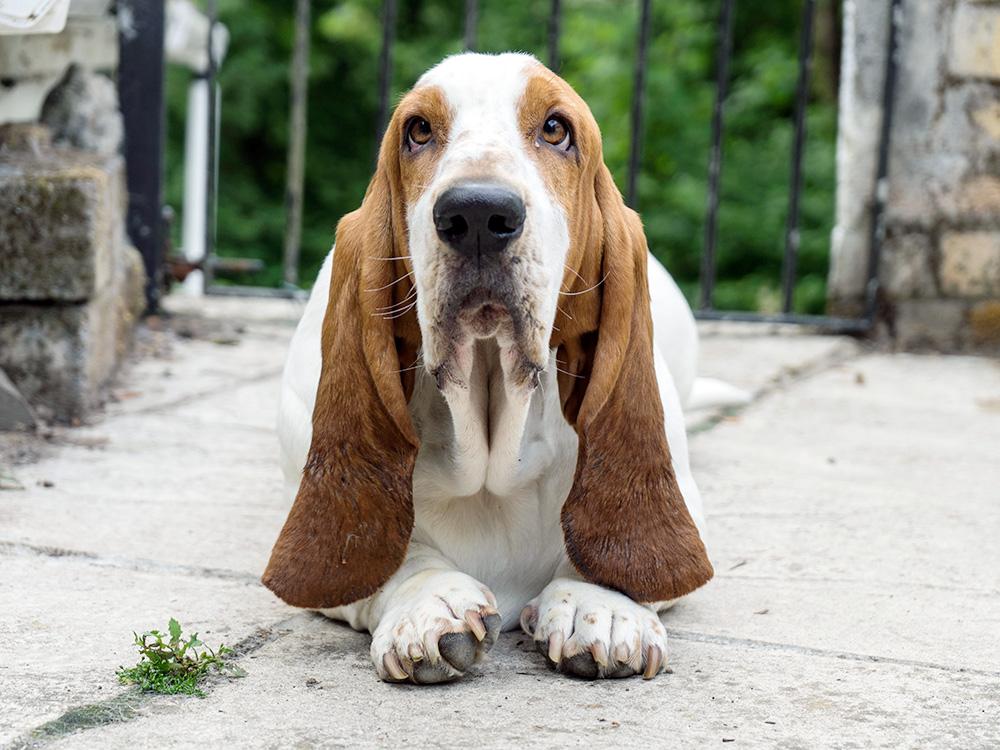
The Basset Hound was bred for hunting, but due to their short legs and long backs, they did their job slowly and methodically. So, they are considered rather lazy for a hound dog. Basset Hounds enjoy daily walks, but they are prone to joint problems, which means pet parents must keep them from jumping on and off couches or beds. Their long, droopy ears need regular cleaning and attention to prevent ear infections.
Weight: 11 to 15 inches
Height: 49 to 77 pounds
Considerations: Bassets are extremely loving, but know that drool is a way of life if you share a home with one.
Browse for Basset Hounds (and their mixes) for adoption

ksuksa / Adobe Stock
Famous for a blue-colored tongue, the Chow Chow is an ancient breed hailing from China. Chow Chows look like big, fluffy teddy bears, but this is not a warm and fuzzy breed. Originally bred to be guard dogs, Chow Chows are independent and reserved, usually preferring to relax nearby rather than cuddle with their human families. They are even more wary and standoffish with strangers, so early socialization and ongoing training are essential.
Height: 18 to 22 inches
Weight: 42 to 69 pounds
Considerations: This breed does best with experienced pet parents who have an understanding of guard dog breeds.
Browse for Chow Chows (and their mixes) for adoption
Becky Swora / Alamy Stock Photo
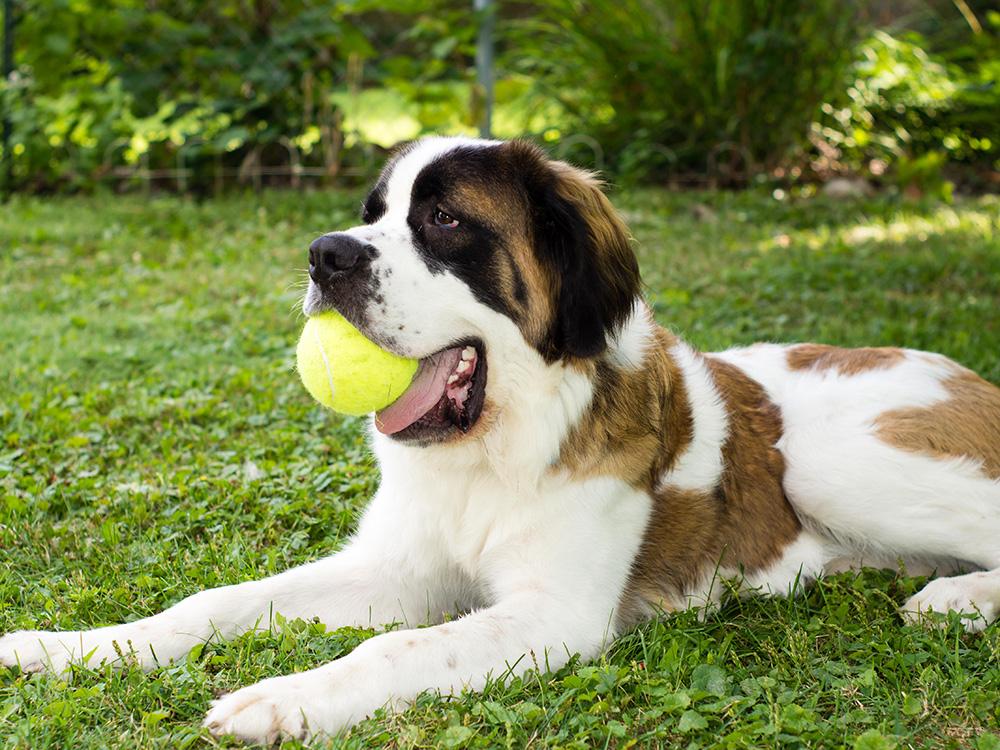
The huge, slow Saint Bernard was originally used to rescue lost travelers in the snowy Alps, but today’s Saint Bernard is usually a loving and calm pet. Saint Bernards are big and fluffy, and love to cuddle and be close to their people. Anyone who owns a Saint Bernard has to be comfortable with a lot of drool — most people keep a rag handy to wipe down the dog, themselves, the walls…you get the idea.
Height: 32 to 36 inches
Weight: 106 to 186 pounds
Considerations: These enormous dogs need plenty of living space and a big budget for food, veterinary care, and medications.
Browse for Saint Bernards (and their mixes) for adoption

The French Bulldog was bred from larger Bulldogs in England, but further developed in France — when laceworkers, who relocated from England, brought their toy Bulldogs with them. French Bulldogs are more active than Bulldogs, but much smaller and still extremely mellow. Keep them cool, especially in hot summer months, so they don’t become overheated. Frenchies can live happily in apartments and condos, especially with daily walks.
Height: 12 to 13 inches
Weight: 19 to 34 pounds
Considerations: As with their cousin, the Bulldog, Frenchies can have some health concerns, so budget for regular veterinary care.
Browse for French Bulldogs (and their mixes) for adoption

T.Den_Team / Shutterstock
It’s not surprising that the Pekingese is one of the laziest dog breeds: They were originally bred to be lap dogs for Chinese royalty. Today’s Peke still loves to be cuddled and pampered, and won’t mind missing a walk if you’re too busy. They are a good choice for apartment living since they don’t need much space. Their long, thick coat needs professional grooming and daily brushing, or you can opt for a short, easy-to-maintain pet clip.
Height: 7 to 8 inches
Weight: 6 to 15 pounds
Considerations: Protect the Pekingese’s long back from injury by not letting them jump from high places. Their pushed faces, combined with a thick coat, make them prone to overheating.
Browse for Pekingeses (and their mixes) for adoption
Monica Arauz / Shutterstock
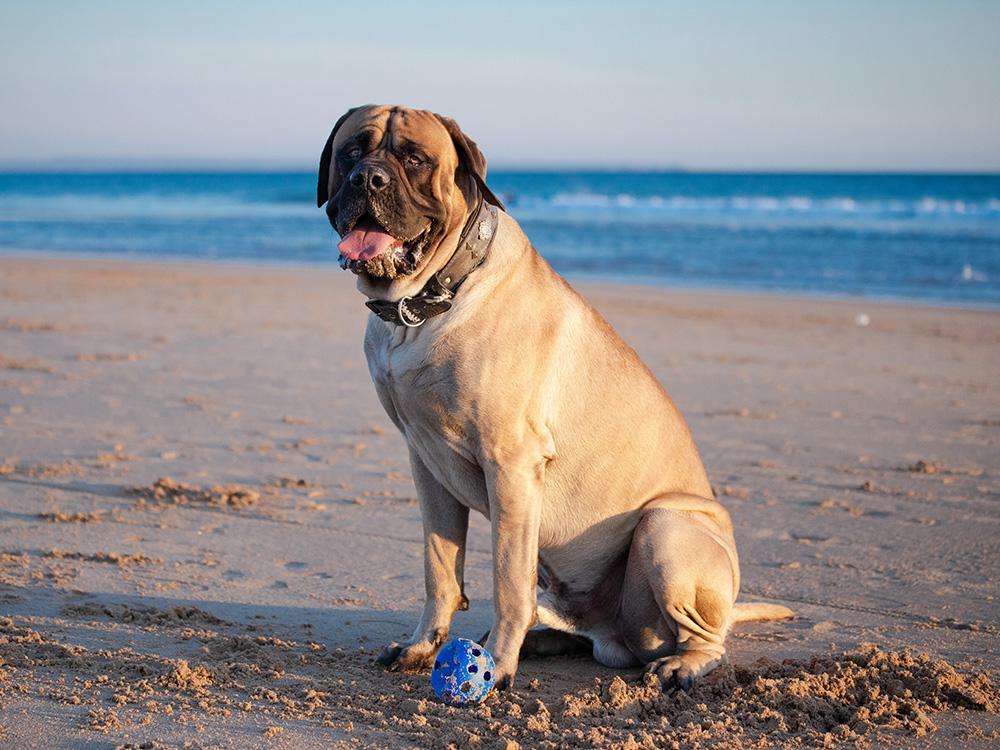
Mastiffs were used as estate guardians in medieval England. Although Mastiffs can be quick if necessary, they prefer to use their imposing size and menacing appearance to deter intruders. Most Mastiffs are affectionate, calm, and laid-back in the house, though they enjoy daily walks and spending time with their human families. These gentle giants need plenty of space (no apartment living for them).
Height: 27 to 30 inches
Weight: 128 to 200 pounds
Considerations: Mastiffs are large dogs who can rack up large bills for food, vet care, and medications.
Browse for Mastiffs (and their mixes) for adoption
Pansfun Images / Stocksy
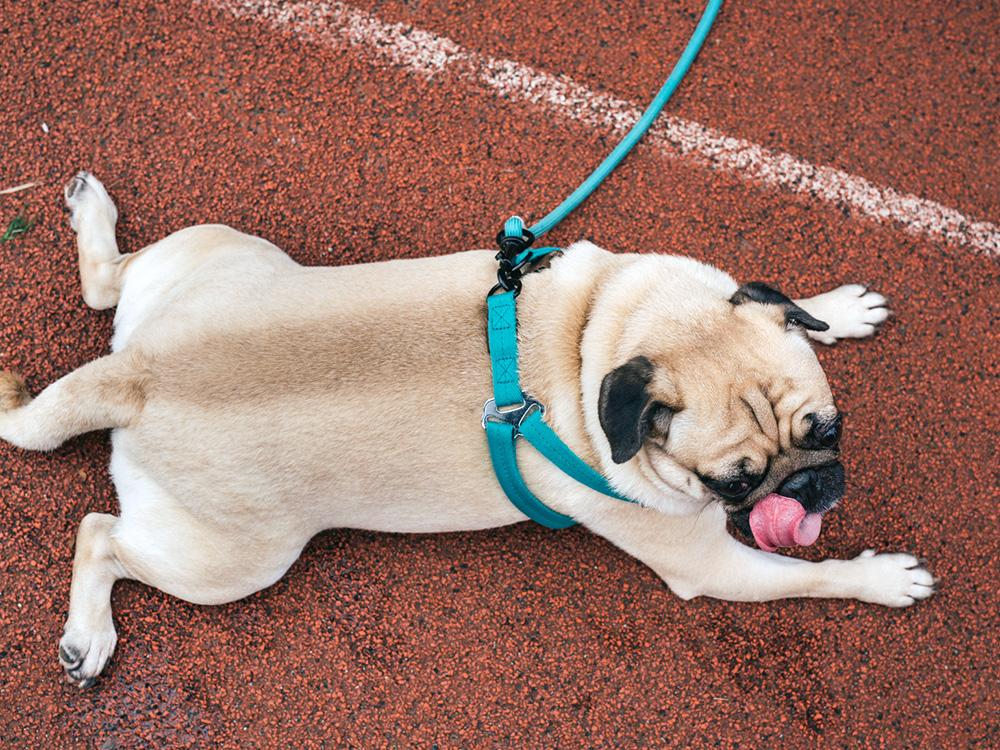
Pugs are charming, happy little dogs who need very little in the way of exercise. Like the Pekingese, Pugs were developed to be lap dogs and pets, so they enjoy hanging out, cuddling, and napping at home. They do like short daily walks, but take care not to overdo it in the heat. Pugs can have some health problems, so stay on top of twice-yearly vet checks. Their small size, combined with low energy, makes Pugs great apartment dogs.
Height: 12 to 16 inches
Weight: 12 to 24 pounds
Consideration: Their pushed-in faces make them prone to breathing issues and heatstroke.
Browse for Pugs (and their mixes) for adoption
rzoze19 / Shutterstock
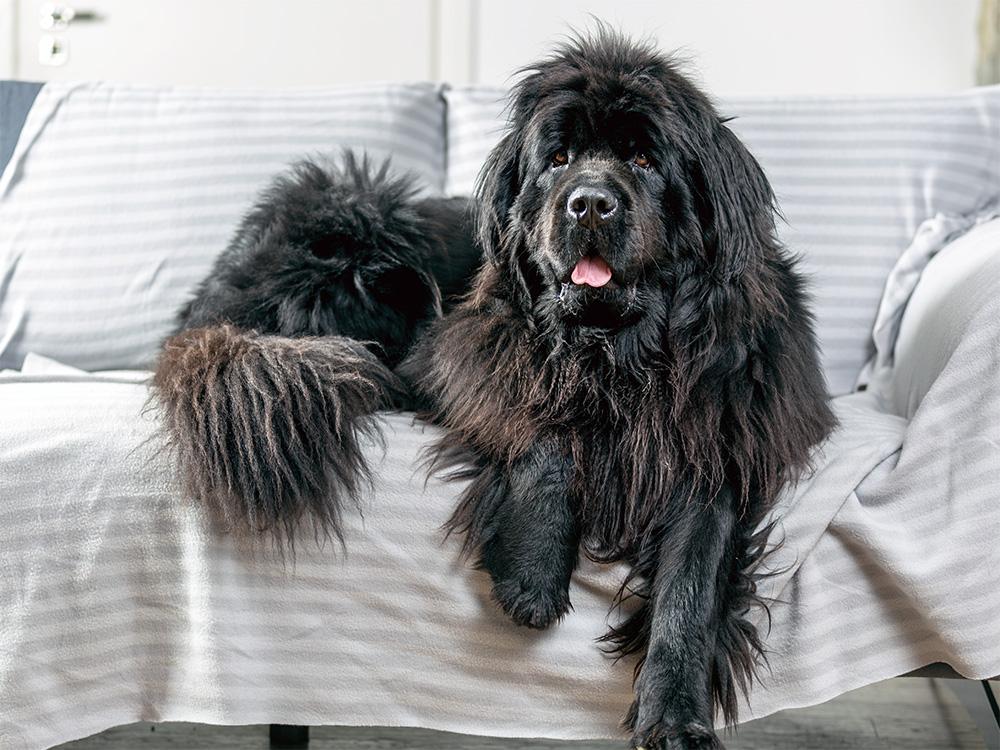
The Newfoundland’s original job was hauling fishing nets and performing water rescues for people who fell into frigid waters, something that took a lot of strength and excellent swimming skills. In between work, they relaxed and rested to conserve their energy. Today’s Newfie is usually laid-back and mellow, though they enjoy walks and even short swimming sessions. These huge, sweet, loving dogs are easy to train and enjoyable to live with as long as you don’t mind a healthy amount of drool.
Height: 26 to 28 inches
Weight: 86 to 163 pounds
Considerations: These large dogs bring a lot of drool and require a bigger budget for food, vet care, and medications.
Browse for Newfoundlands (and their mixes) for adoption

Ruth Black / Stocksy
Lhasa Apsos had unique jobs as watchdogs for Tibetan monasteries, temples, and palaces. They would listen for unusual sounds and bark to alert people to anything suspicious. Today’s Lhasa Apso still tends to be alert to sounds by barking. So, although they fit well into apartment living size-wise, they might bother the neighbors with their vocalizations. Calm and independent, Lhasas are often described as cat-like. Some like cuddling, but others prefer to hang out in their own space.
Weight: 9 to 19 pounds
Height: 10 to 11 inches
Considerations: Their long, silky coats need regular brushing and professional grooming, but they don’t shed much.
Browse for Lhasa Apsos (and their mixes) for adoption
Because each laid-back dog is somewhat different, you’ll want to look at their other characteristics to find a good match for your lifestyle and personal experience with dogs. You’ll also want to think about how much space you have at home, how much time you want to devote to grooming, what type of personality you like in a dog, and the breed’s specific health considerations.
Space: Large and giant breeds just might not fit in an apartment or condo, despite their lower energy needs. If you have a smaller home, consider a small- or medium-sized dog.
Training needs: Some of the laziest dog breeds were bred to be guard dogs. These breeds are not the best fit for first-time pet parents. They need someone who has lots of experience raising and training large guard-dog breeds.
Grooming needs: Lazy dog breeds come in all different coat types, so consider how much shedding bothers you, as well as if a breed needs lots of brushing or professional grooming.
Personality: Some low-energy dog breeds are cuddly, while others are more independent. If you like a lot of attention and snuggles from a dog, look for a breed known to be affectionate and engaging.
Health concerns: Some of the laziest dog breeds have physical attributes that affect their health. Brachycephalic breeds (those with pushed-in faces) can have breathing difficulties and need to be kept cool so they don’t overheat. Dogs with long backs are prone to disk disease and other back problems, so don’t let them jump from high places.
Couch potato dogs are good matches for many different individuals and families. Unless you want to train a dog for competitive dog sports like agility, or long for a dog to go with you while you jog, hike, camp, or do other active outdoor activities, a low-energy dog could fit right in.
Some ideal homes for lazy dogs include:
Apartment and condo dwellers (for smaller, lazy breeds)
Seniors
People who are mobility-impaired
Busy professionals without a lot of time to devote to exercising a dog
Lazy dogs can be easier to maintain than some high-energy breeds, but they still need exercise, training, grooming, and all of the other care required to keep any dog healthy. Consider these care tips for lazy dog breeds.
One or two 30-minute walks a day are good for your dog’s body and mind because this provides them with exercise, fresh air, sunshine, and opportunities for socialization with people and other animals.
All dogs need occasional brushing, nail trimming, and occasional baths. Depending on your lazy dog’s coat type, they might need frequent brushing or professional grooming.
As for all dogs, visit your veterinarian at least twice a year for checkups, vaccines, deworming, and other preventive care. If your lazy dog is brachycephalic (has a pushed-in face), a long back, or short legs, talk to your vet about the specific precautions you should take to ensure they stay healthy and injury-free.
All dogs, even lazy dogs, need basic obedience training, including sit, lie down, stay, come, and loose-leash walking. Guard-dog breeds such as the Mastiff and Chow Chow need extensive socialization in puppyhood, as well as firm and fair leadership from an experienced pet parent to help them understand their role in the family.
The laziest dog breed is the English Bulldog. Although many dog breeds can be considered lazy, the Bulldog is generally considered the laziest of all. Although Bulldogs do enjoy daily walks and can run in short spurts, these stocky, heavy-boned dogs are prone to heat exhaustion and are often found lounging on the couch with their favorite people.
Yes, lazy dogs still need exercise. All dogs benefit from getting outdoors in the sunshine and fresh air and exercising their bodies so they can stay happy and fit. For most lazy dogs, one or two 30-minute walks a day is usually the right amount of exercise.
Some low-energy dogs are good for small apartments, but it depends on the size of the dog. Large and giant low-energy dog breeds like the Mastiff or Saint Bernard need more space to be comfortable, even though they don’t need a lot of exercise. Small- and medium-sized low-energy dogs are best for small apartments.
Lazy dog breeds best for seniors include those who are not too large or strong, and who don’t need extensive training. Unless they are experienced dog parents, seniors should avoid large and giant breeds, especially guard dog breeds, and look to smaller breeds such as Pugs, French Bulldogs, and Lhasa Apsos.
You can keep a lazy dog entertained without much exercise by spending lots of time with them. Whether brushing them, playing with them, or just cuddling together on the couch, your dog will love being close to you.
Petsko, Gregory A. “Sleeping Dogs.” Genome Biology, vol. 4, no. 11, 1 Jan. 2003, pp. 120–120, pmc.ncbi.nlm.nih.gov/articles/PMC329102/, https://doi.org/10.1186/gb-2003-4-11-120.
Westgarth, Carri, et al. “I Walk My Dog Because It Makes Me Happy: A Qualitative Study to Understand Why Dogs Motivate Walking and Improved Health.” International Journal of Environmental Research and Public Health, vol. 14, no. 8, 19 Aug. 2017, p. 936, www.mdpi.com/1660-4601/14/8/936, https://doi.org/10.3390/ijerph14080936.
Jackie Brown lives in sunny Orange County, CA, where she works as a freelance writer and editor. When she’s not on deadline, you can find her paddling her outrigger canoe in the Pacific Ocean or hiking in the foothills with her miniature poodle and two young boys.

Behavior & Training
Breed Info
Breed Info
Breed Info
Yes, unicorn dogs do exist. Here are 10 breeds who require little grooming and exercise, but still offer lots of love.

Breed Info
These low-maintenance breeds make great pets for busy professionals, first-time pet parents, and seniors.

Breed Info
Are you thinking of adopting a small dog? Learn more about small dog breeds and what it takes to keep them happy.
Breed Info
Looking for a dog with a larger-than-life personality (and size to match)? These giant breeds might be perfect for you.
Breed Info
Are you thinking of adopting a dog that is easy to care for? Here is what it takes to keep them happy and healthy.
Breed Info
If you want a canine bestie and a cleaner home — yes, you can have it all — check out these breeds.