Porgie: What to Know Before Adopting
Friendly, playful, and brimming with personality, this pup loves company and knows how to make people smile.
Friendly, playful, and brimming with personality, this pup loves company and knows how to make people smile.
by Kelly Villa, | October 21, 2025

The Porgie (a Pug and Corgi mix) is a unique mixed breed blending the Corgi’s lively energy and herding smarts with the Pug’s endearing quirks and affectionate loyalty. This results in a dog who’s equal parts entertainer and snuggle buddy.
Porgies are cherished for their playful attitudes, unwavering loyalty, and knack for bringing smiles to everyone they meet. Whether dashing around during a game of fetch or curling up for cuddles on the couch, Porgies are the perfect mix of spunky and sweet.

Although Porgies are a somewhat rare designer breed, there are important factors to consider before adopting a Pug or Corgi mix.
Porgies are adaptable and fit into many families and lifestyles. Pugs are typically social and affectionate. Corgis can be a little shy and reserved at first with strangers, but often become friendly and playful once they feel comfortable. With a supportive early socialization experience, Porgies can be happy, sociable family pets.
Friendly and playful: They’re often playful and affectionate, making them a fun and loving addition to a family. Porgies can become well-adjusted, friendly companions who enjoy meeting new friends and being part of the family. Socialization helps them build confidence and encourages their naturally loving nature to shine.
Pretty smart: Porgies are smart puppers. This is especially true if they take after their Corgi side. Corgis are known for their quick wits and sharp intelligence, making them excellent problem-solvers and eager learners.
Enjoy outdoor activities: Families who enjoy outdoor activities, like hiking or running, will love having a Porgie around who takes after their Corgi parent.
Mixed intensity: If they lean toward their Pug side, they’ll enjoy more laid-back activities that highlight their playful nature, such as canine freestyle or trick training. Pugs are smart, too, though they tend to be more food-motivated and less driven to accomplish tasks than Corgis.
Porgies and kids: The way they interact with kids ultimately depends on which traits they inherit and how they were raised. If they take after their Corgi side, they might have a bit more energy, so they’ll do best with kids who are excited to play. If they lean toward the Pug side, they might be more relaxed and content to snuggle, which can make them a perfect fit for families with calmer children.
High attention needs: Porgies can bark a lot, especially if they take after the Corgi side, because Corgis are known for being vocal little pups thanks to their herding history.

These cute mixes showcase a lovable blend of breeds, offering endless charm and personality.
When selecting a dog, one key consideration is the amount of exercise they require and how this aligns with your activity level and lifestyle.
Exercise needs: If they take after their Corgi side, expect a lot of energy, and a need for daily play and exercise. They’ll do best in households where they’re included in all the fun activities and outings.
Energy indoors: If your Porgie leans more toward their Pug side, they’ll be more chill and content to hang out, making them a great fit for families who want a snuggly companion without as much energy.
Trainable: Porgies can be pretty easy to train, especially when you use positive reinforcement methods. They respond well to treats, toys, and play, so keep training fun and rewarding to help them learn quickly.
Prone to overeating: Just keep in mind that both Pugs and Corgis can be prone to overeating, so it’s important not to rely too heavily on high-calorie treats during training sessions. Instead, use smaller treats or even a portion of their regular kibble to keep their weight in check while still motivating them. With patience, consistency, and plenty of positive reinforcement, your Porgie can pick up cues like a champ.
Sporting: If your Porgie inherits more of their intellect from the Corgi parent (and avoids a brachycephalic facial structure), they might excel in dog sports like agility, rally, or even herding trials, where their intelligence and natural drive to work really shine.

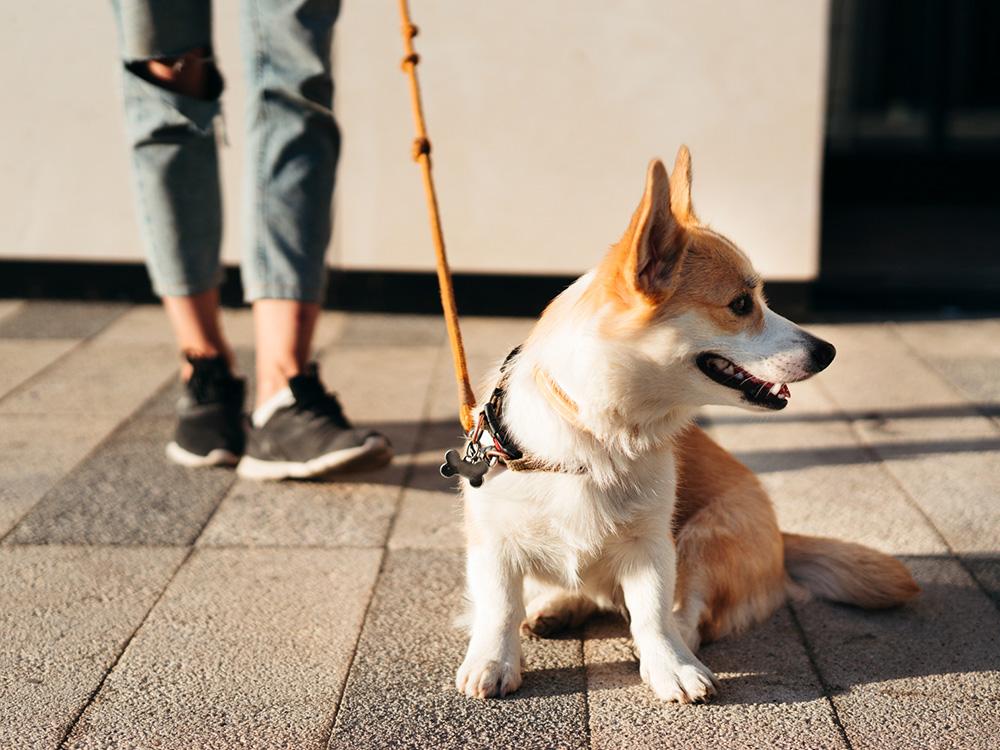
Pansfun Images / Stocksy
For a Corgi-like coat, a slicker brush or pin brush works great for detangling and removing loose fur. A de-shedding brush can also help reduce excess shedding during peak periods. If they inherit more of a Pug coat, you’ll need a bristle brush or a rubber curry brush to keep their skin and coat healthy, while removing loose hair. Here is what to know about Porgie grooming.
Shedding: Both Pugs and Corgis are shedding breeds. Corgis, with their thick double coats, shed year-round. Pugs shed, too, although their short coats don’t typically shed as heavily as Corgis’ fluffy undercoats. How much your Porgie will shed depends on their coat type. Regardless, expect your Porgie to shed at least a moderate amount, especially during seasonal changes in the spring and fall.
Coat: These pups could have a shorter, smoother coat similar to a Pug or a thicker, longer coat like a Corgi. If they take after their Corgi parent, you’ll need to brush them more often to manage shedding, especially during shedding seasons when they blow their coat.
Brushing: Regardless of coat type, weekly grooming helps keep their coat healthy and prevents matting or the buildup of dirt. It’s also a great way to bond with your Porgie while keeping them looking their best.
While Porgies usually live 12 to 15 years, their lifespan can vary depending on genetics, diet, exercise, and overall care. Thanks to hybrid vigor, they may benefit from fewer inherited issues than purebred dogs. However, they can still inherit conditions from their purebred Pug or Corgi parent, so it’s important to monitor their health. Here are some health conditions they may face.

With great cuteness comes great responsibility — here’s everything you need to know about keeping your Pug healthy.
Hip dysplasia: Both Pugs and Corgis are prone to hip dysplasia, where the hip joint doesn’t form properly, leading to arthritis and mobility problems. Regular exercise and maintaining a healthy weight can help manage this condition if it develops.
Brachycephalic syndrome: Pugs, known for their flat faces, often suffer from brachycephalic syndrome, which can cause breathing difficulties. Porgies with more Pug traits may have trouble breathing, especially in hot weather or during vigorous activity.
Intervertebral disc disease (IVDD): Corgis are at a higher risk for IVDD, where spinal discs slip or degenerate, causing pain and potential paralysis. Keeping your Porgie at a healthy weight and avoiding rough play can help prevent this issue.
Cataracts: Both Pugs and Corgis are prone to cataracts, a clouding of the lens in the eye that can lead to vision loss. Vet checkups and monitoring for signs of vision problems can help catch cataracts early.
Progressive retinal atrophy (PRA): PRA is a genetic condition that causes gradual vision loss, and both Pugs and Corgis can be affected by it. Although there’s no cure, early detection can help you manage the condition and adjust to vision changes.
Obesity: Pugs and Corgis both love to eat, and obesity can be a common issue for both breeds. Controlling their diets, offering daily exercise, and not overfeeding them can prevent obesity-related health issues.
Although Porgies may have some of these health problems, veterinary care, preventatives, early intervention in health issues, a balanced diet, and an active lifestyle can help ensure they stay healthy and happy throughout their lives.
To help your Porgie live their longest, happiest life, make sure they get plenty of exercise, a healthy diet, and routine annual exams to catch any issues early on. Don’t forget loads of love, mental enrichment, and cozy snuggles — they thrive on all of that.
Irina Polonina / Stocksy
Porgies can thrive in various types of homes and environments, as long as their needs are met.
Medium size: These mixed-breed pups usually weigh between 18 and 35 pounds, and stand around 10 to 12 inches tall. Their medium size works well for all kinds of households and families.
Cat friends: Porgies can be good with cats, but this mostly depends on their personality. If they take after their Corgi side, they might have a herding instinct that could lead to chasing cats or trying to herd them, so it’s important to socialize them early and teach them proper boundaries. Pugs can be more laid-back and might get along better with cats, so there’s a good chance a Pug mix can be just as relaxed.
Dog friends: Porgies can be good with other dogs. If they take after their Corgi side, they might have a bit of a herding instinct, which could make them more assertive or overbearing with other dogs, especially if they’re not socialized well as a pup. Or they could lean toward the Pug side, which makes them less energetic and more laid-back about dog friends. Either way, proper introductions and positive reinforcement are key to ensuring your Porgie has smooth interactions with other dogs.
Although Porgies are designer dogs, you can search for adoptable Pug and Corgi mixes at Adopt a Pet, which showcases pets available at nearby rescues and shelters. Many breed-specific rescues for Pugs or Corgis often take in mixed breeds, such as the Porgie. Local animal shelters are a great option, because they often have a range of mixed breeds available for adoption. A great place to start is with a breed search on Adopt a Pet, which will show you all the available Pug and Corgi mixes, including Porgies, near you.
Porgies come in a variety of colors, thanks to their mix of Pug and Corgi genes. From their Corgi side, you might see colors like red, sable, fawn, or black and tan. They might also have a mix of white markings on their chests, paws, or faces. With their Pug parent, you’ll likely see classic Pug colors like fawn or black.
Porgies are not hypoallergenic dogs. Both Pugs and Corgis shed and produce dander, which can trigger allergic reactions in sensitive people.
Brushing your Porgie outside at least twice a week can help remove loose hair and dander before it gets all over your furniture and floors. Keeping your home clean by vacuuming frequently with a HEPA filter, washing your Porgie’s bedding regularly, and using air purifiers can reduce allergens in the environment. Although a Porgie may not be the perfect choice for allergy sufferers, these steps can make living with them a bit easier for those with sensitivities.
To prevent excessive barking out of anxiety, frustration, boredom, or being overtired, it’s important to give them plenty of exercise, mental enrichment, and companionship, along with a comfy place to rest. Early socialization is key, too: The more confident and comfortable they are in the world around them, the less likely your Porgie pal will bark out of fear or anxiety.

Kelly Villa is a freelance writer and contributor to various pet publications.

Breed Info

Breed Info

Breed Info

Shelters & Rescue
These dog breeds often fill shelters — discover the reasons behind their frequent surrenders.

Adoption Advice
Lower healthcare costs, unique looks, adorable personalities — there are several reasons to rescue a mixed-breed dog. Here’s why you’ll fall in love with them.

Adoption Advice
Despite good intentions, many pet parents inadvertently support puppy mills. Here are the telling signs of puppy mills and how to stop these abusive breeders.
Breed Info
There’s a reason the Queen of England was a huge fan of Corgis. And their mixes are no less obsession-worthy.

Adoption Advice
Finding the right crate size is important. But so is considering your dog’s age, circumstances, and training goals. Our guide is here to help.