So, You’re Thinking About Getting a Tabby? Here’s the Lowdown
Not only are there many types of tabby patterns — several cool cat breeds sport them.
Not only are there many types of tabby patterns — several cool cat breeds sport them.
by Frances Vega, | January 14, 2026

Krakenimages / AdobeStock
If you have ever admired a brown, striped cat sunbathing on a windowsill or a silver, tiger-like kitty weaving between your legs, you have met a tabby. Tabbies are in shelters and rescues and pedigreed companions, yet many people are surprised to learn that “tabby” refers to a coat pattern, not a breed.
You will find tabby patterns across dozens of cat breeds, as well as in Domestic Shorthair and Domestic Longhair cats, who make up the majority of cats available for adoption. Tabbies are easy to spot thanks to their expressive markings, but their personalities are shaped far more by their breed background, environment, and individual quirks. Understanding tabby patterns, common tabby breeds, and general personality traits can help you identify your cat or decide if a tabby is the right fit for your home.
TL;DR: Tabby cats are not a single breed. They are cats with a recognizable, genetic coat pattern that appears across many purebred and mixed-breed cats. Their stripes, swirls, and spots come in several styles and colors, and their adaptable personalities make them some of the most commonly adopted cats.
A tabby cat is defined by their coat pattern rather than their breed. These patterns appear in both purebred and mixed-breed cats and result from genetic traits that existed long before modern cat breeding. In fact, researchers believe early domestic cats all carried tabby markings, which helped them blend into their surroundings and hunt more effectively.
Because tabby markings offered natural camouflage, they were advantageous for survival, especially in outdoor and semi-feral environments. This is one reason tabby patterns remain so common today, even as selective breeding has introduced a wide range of coat colors and textures. The tabby gene is deeply rooted in feline genetics and continues to appear across generations, regardless of whether cats are intentionally bred or not.

Why does your cat’s fur have a unique color pattern? We have answers.
All cats technically carry the tabby gene. What differs is how strongly that gene is expressed. Some cats display bold, high-contrast markings that remain visible throughout adulthood, while others have subtle striping that may only appear in certain lighting or during kittenhood. Cats who appear solid in color can still show faint tabby striping, sometimes referred to as ghost markings — particularly on the legs, tail, or forehead.
Most tabby cats share several recognizable features, though the exact appearance can vary:
A visible “M” marking on the forehead
Patterned markings that form stripes, swirls, spots, or ticking
Lighter fur around the eyes, chin, chest, and belly
Tabby coats appear in many colors, including brown, gray, silver, orange, cream, and diluted versions of those shades. Descriptions such as “gray tabby cat” or “brown striped cat” typically identify a kitty by color and pattern, rather than by a specific breed.
Because coat pattern does not determine temperament, a tabby cat’s personality depends far more on genetics, early socialization, and environment. Learning about different cat personality types can help adopters prioritize energy level, affection style, and social needs rather than appearance alone.
There are five recognized tabby patterns. Each has distinct visual characteristics that can help identify what type of tabby cat you are seeing.

bri / AdobeStock
Classic tabbies have bold, swirling patterns on their sides that often resemble marbled stone or a bullseye. These markings are wide and dramatic, making them one of the easiest tabby patterns to recognize. This pattern is especially common in American Shorthairs and tends to hold strong contrast as the cat ages.

Magui RF / Shutterstock
The mackerel tabby is the most common pattern seen in domestic cats. These cats have narrow, vertical stripes running down their sides, often evenly spaced and continuous. When people picture a tiger tabby cat, this is usually the pattern they are imagining. The mackerel pattern often includes a darker stripe running along the spine.

sergo321 / Adobe Stock
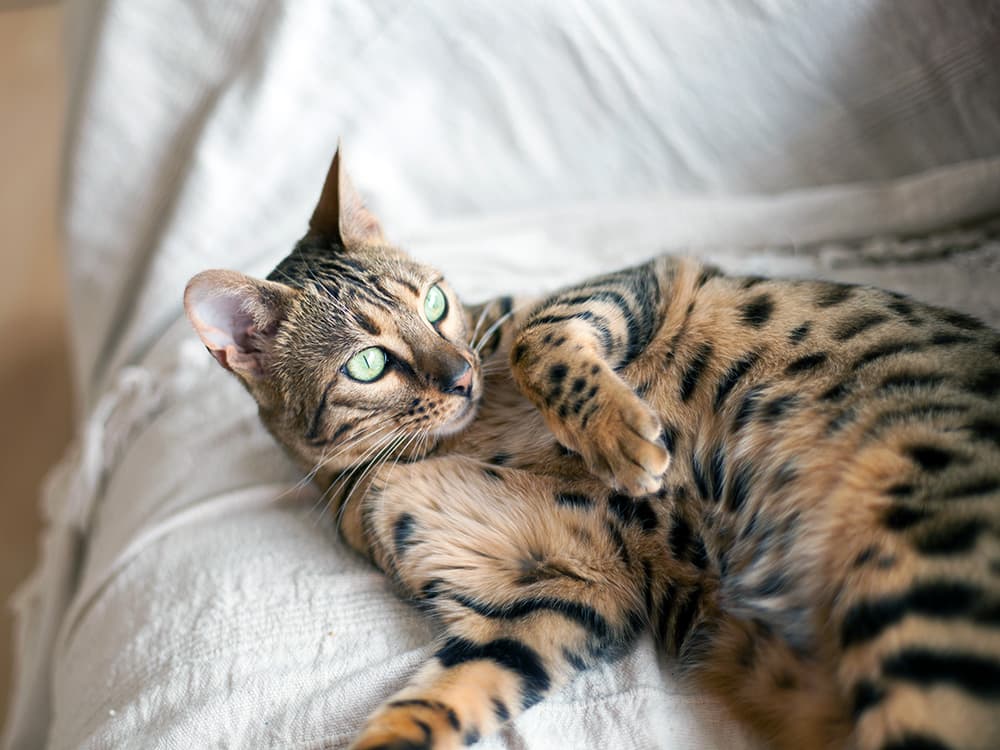
Spotted tabbies have broken stripes that appear as spots across the body. The size, shape, and spacing of the spots can vary widely. Some spotted tabbies have round, well-defined spots, while others appear more irregular. This pattern is frequently associated with breeds who have wild ancestry, such as Bengals.

Anastasija / Adobe Stock
Ticked tabbies do not display obvious stripes or spots along the body. Instead, each hair has multiple bands of color, creating a softly speckled or sandy appearance. This pattern can make markings harder to spot at first glance. Abyssinians are one of the most recognizable examples of ticked tabbies.

Carolyn Lagattuta / Stocksy
A patched tabby, often called a torbie, combines tabby striping with tortoiseshell coloring. These cats usually show orange or cream patches layered over brown, gray, or black tabby markings. Due to genetics, most torbies are female. Understanding how tortoiseshell coloring interacts with tabby striping can make it easier to distinguish a torbie from a standard tabby.
Because tabby is a coat pattern rather than a breed, many cat breeds can display tabby markings.

Irina Gutyryak / Shutterstock
The American Shorthair is one of the most recognizable tabby-coated breeds. These cats are known for their adaptability, calm temperament, and friendly nature. They often do well in a variety of households and are commonly recommended for families and first-time pet parents.
miezekieze / Pixabay
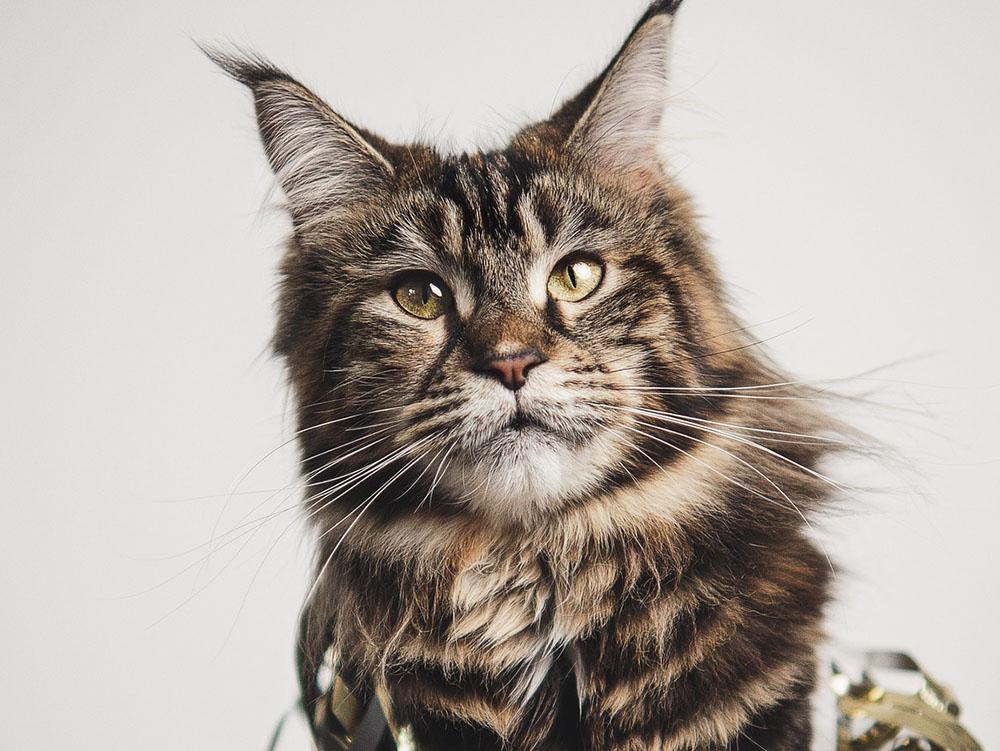
Maine Coons often display tabby markings paired with long, thick coats. They are known for their large size, intelligence, and social personalities. Many Maine Coons enjoy spending time near their people and don’t require constant attention.

Haley Hagle / Pexels
Abyssinians typically have ticked tabby coats rather than stripes. They are active, curious cats who enjoy climbing, exploring, and interactive play. Homes with vertical spaces and enrichment tend to be good fits.
Vaughan Williams / Alamy Stock
Bengals commonly show spotted or marbled tabby patterns. They are athletic, intelligent cats who benefit from puzzle toys, climbing structures, and regular engagement. Bengals are often best suited for experienced pet parents.

elesi / Shutterstock
Oriental Shorthairs come in a wide range of colors and patterns, including tabby. They are known for being vocal, social, and deeply bonded to their families.
Carolyn Lagattuta / Stocksy
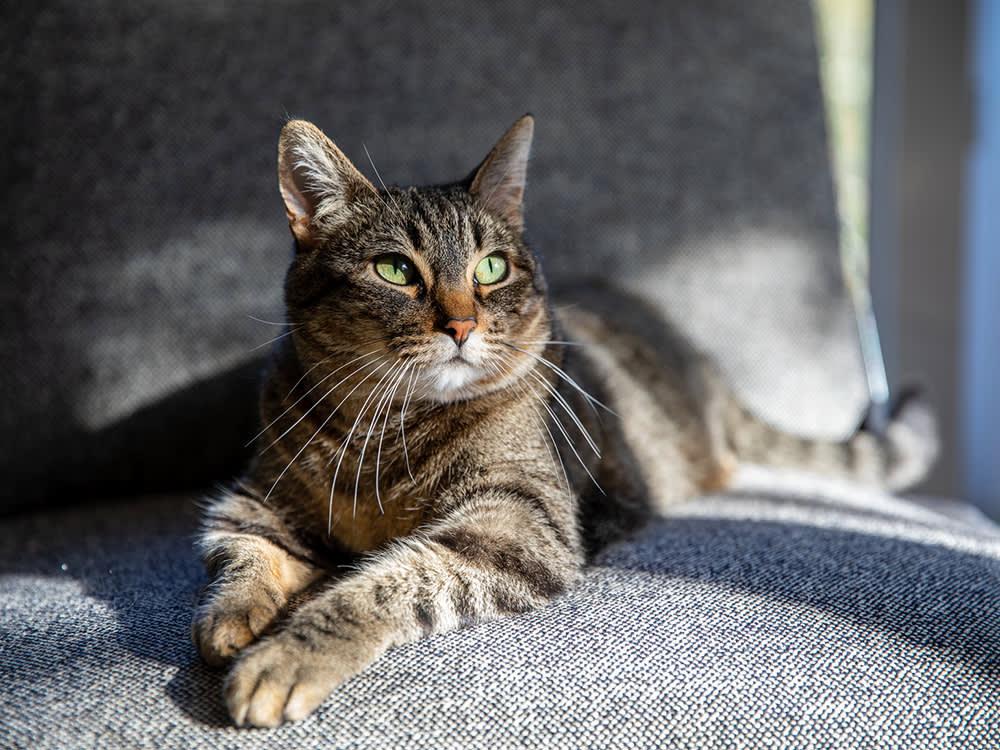
Many cats at shelters and rescues are domestic shorthairs or domestic longhairs with tabby patterns. These cats do not belong to a specific breed, but they can still make affectionate, adaptable companions. A look at cats available for adoption shows just how common tabby patterns are among adoptable cats.
Each cat is an individual, but tabby cats are often described with general — not guaranteed — traits such as friendliness, curiosity, and adaptability. The traits are influenced more by upbringing and environment than by coat pattern. Many tabby cats adjust well to new surroundings, making them popular choices for adopters bringing a cat into their home for the first time. These cats’ confidence and curiosity often show up as a willingness to explore new spaces, investigate sounds, and engage with people.

From classic swirls to mackerel stripes, these patterns come with reputations.
Tabby cats are often described as:
People-oriented and social
Playful and curious
Confident in new environments
Affectionate without being overly clingy
Early handling, enrichment, and consistent routines play a large role in shaping behavior. Learning to read cat body language can help adopters better understand cues, reduce stress, and build trust during the transition to a new home.
Tabby cats tend to thrive in environments that support both physical activity and mental stimulation. Interactive play, access to windows, and opportunities to climb or perch help satisfy instincts such as observing, stalking, and exploring.
Environmental enrichment does not need to be complicated. Rotating toys, puzzle feeders, scratching posts, and vertical spaces can help prevent boredom and stress-related behaviors. Many tabby cats enjoy watching outdoor activity from a secure window perch, which provides mental stimulation without the risks associated with roaming outdoors.

A bored cat can develop everything from behavioral issues to physical ailments. Here’s how to keep your kitty mentally stimulated.
Daily routines also matter: Predictable feeding schedules, clean litter boxes, and regular veterinary care support long-term health and emotional stability. Many adopters choose to keep cats indoors after learning about indoor vs. outdoor cat safety, because indoor cats generally face fewer risks.
When bringing a tabby cat home, set up a quiet space with familiar scents to ease the transition. Knowing what to expect during the cat adoption process helps new adopters prepare for the first days. Households with children may also benefit by preparing kids for a new cat, so everyone starts on the right foot.
The four main tabby patterns are classic, mackerel, spotted, and ticked. A fifth variation, the patched tabby (or torbie), combines tabby striping with tortoiseshell coloring.
If your cat has tabby striping along with orange or cream patches, they are likely a torbie. If the coat shows only stripes or swirls without tortoiseshell coloring, your cat is a standard tabby.
Most orange or ginger cats are tabbies. Solid orange cats are rare because the gene responsible for orange coloring usually produces some form of tabby pattern.
Because tabby is a pattern rather than a breed, lifespan varies. Most domestic cats live between 12 and 16 years, with many living longer when provided proper nutrition and routine veterinary care.
Tabby cats benefit from daily play that encourages chasing, pouncing, and climbing. Short, interactive play sessions throughout the day help keep them healthy and mentally engaged.
Cats.com. “Tabby Cats: Types, Patterns & Facts.” Cats.com, https://cats.com/tabby-cats.
Cornell University College of Veterinary Medicine. “Basic Feline Genetics.” Cornell University, https://www.vet.cornell.edu/departments-centers-and-institutes/cornell-feline-health-center/health-information/feline-health-topics/basic-feline-genetics.
The International Cat Association (TICA). “Coat Patterns.” TICA, https://tica.org/breeds/coat-patterns.
PetCareRx. “Striped and Tabby Cat Breeds and Types.” PetCareRx, https://www.petcarerx.com/article/striped-and-tabby-cat-breeds-and-types/1203.

Frances Vega is a Los Angeles/Orange County-based marketer, writer, editor, and partnerships manager.

Breed Info

Breed Info
Breed Info

Adoption Advice
You can sip a latte and save a life. Here’s why you should: Because most work with shelter and rescue groups to help kitties who need homes.

Adoption Advice
If you enjoy silly and entertaining cats, consider an orange one.

Rehome
There are distinct differences between the two, which will shape your interactions with them. Here’s how to tell them apart.

Breed Info
Here’s why these visually magical cats are so special.
Breed Info
Here are five facts about these secret orange kitties and five breeds that come in this unique color.

Adoption Advice
Whether your orange cat is spunky, sweet, or silly, we’ve compiled names that capture their unique charm.