Am I Allergic to My Cat?
It’s possible — but this doesn’t have to be a deal-breaker. Here’s how to tell if you are allergic to them, and what to do if you are.
It’s possible — but this doesn’t have to be a deal-breaker. Here’s how to tell if you are allergic to them, and what to do if you are.
by Cammi Morgan, | December 1, 2025

Karolina Grabowska / Kaboompics
If you find yourself frequently sneezing around your feline friend, you might be wondering if you’re allergic to them — which can be distressing and overwhelming. In this guide, learn what exactly causes cat allergies, signs and symptoms to look for that indicate an allergy, how your vet can help, and what to do if nothing you’re trying is working.
While cats produce at least eight known allergens, the Fel d 1 protein is the leading cat allergen affecting people. This microscopic allergen is produced in your cat’s saliva and skin glands, and can travel through the air and stick to a variety of surfaces. This protein transfers to your cat’s hair and the surface of their skin when they groom themself, and as your cat sheds hair and dander, the Fel d 1 allergen spreads throughout your home.
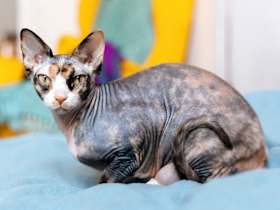
The protein complex Fel d 1, the primary feline allergen, is produced in all cat breeds, regardless of hair length. Because the Fel d 1 protein is not produced in the cat’s hair — but rather through saliva and skin glands — even hairless cat breeds, such as the Sphynx, produce this allergen. Long-haired cats are also no more likely to cause an allergic reaction than short-haired felines.

Do you suffer from allergies? Some cat breeds may offer you relief from dander allergies.
Unfortunately, there are no truly hypoallergenic cats, despite what some breeders may claim. Although some breeds are touted as low-allergen or hypoallergenic, such as Siberians, the levels of Fel d 1 produced by individual kitties of these “hypoallergenic” cat breeds are inconsistent, with some producing low levels while others produce Fel d 1 in average amounts. That’s why it’s always best to spend time with the cat you plan to adopt to check your reaction to them.
Signs and symptoms of being allergic to your cat include:
Watery, red, and itchy eyes
Sneezing
Itchy skin, nose, throat, or roof of mouth
Runny or congested nose
Rashes, hives
Coughing
Wheezing
Chest tightness
Shortness of breath
Anaphylaxis, in extreme cases
As you may have noticed, these signs and symptoms are similar to those of various allergies. So how can you know that your allergic reaction is linked to your feline friend?
One way to connect the dots is by keeping a daily symptom diary. Do allergic signs appear or worsen after snuggling your cat, cleaning their litter box, or grooming them? Do you notice respiratory symptoms while sitting next to your cat on the couch as they groom themselves? If you notice these trends in your symptom diary, it can be useful to take this information to your healthcare provider.
The best way to confirm that you’re allergic to cats is to set up an appointment with your doctor or an allergy specialist for testing. Your doctor may perform a skin prick and an IgE blood test.
During a skin prick test, your doctor will place a small amount of liquid cat allergen extract on your skin and then prick the area with a small, sterile probe, allowing the liquid to seep under your skin. The doctor will then monitor the site for swelling, redness, or a rash. Most positive results occur within 15 to 30 minutes.
With an IgE blood test, your provider will take a sample of your blood, and a lab will test the blood for the presence of specific IgE antibodies. These antibodies are proteins produced by the immune system in response to an allergen — in this case, cat allergens.
In addition to testing and keeping a symptom diary, you can also try spending time in a cat-free accommodation for a few days and seeing if your symptoms improve. Make sure to shower and pack fresh, clean clothes to prevent transferring Fel d 1 protein into this cat-free zone.
Although you won’t be able to fully eliminate cat allergens in your home as long as you share it with your feline friend, you can certainly take steps to reduce the concentration of Fel d 1 and, as such, reduce your symptoms.
Keeping your home clean is critical to reducing the spread and concentration of Fel d 1 protein in the air and on surfaces. If a person with allergies is cleaning, it’s best for them to wear a dust mask to avoid inhalation of allergens. At least a couple of times per week, make sure to vacuum with a HEPA filter, and opt for cleaning supplies such as damp cloths, wipes, and mops instead of brooms or dust feathers, which can cause allergens on surfaces to become airborne. Regularly doing laundry also helps prevent the buildup of cat allergens on clothes and bedding.
A range of treatments can reduce your allergy symptoms. These include over-the-counter and prescription antihistamines and decongestants, allergy immunotherapy, nasal corticosteroids, bronchodilators to help you breathe easier, and eyedrops to relieve irritation. Talk to your provider about the best options for you. Your doctor may also remind you to always wash your hands after petting your cat.
There are some adjustments you can make in your home to greatly reduce the spread of cat allergens. Switching from carpeting to wood, tile, or linoleum floors can greatly reduce the buildup of cat allergens on your floor. Carpeting can contain 13 times more cat allergens than smooth flooring.
Use a compatible HEPA filter (high efficiency particulate air filter) with your HVAC system, and place a portable air filter in rooms you’re sharing with your cat. You may also want to restrict your kitty’s access to your bedroom to prevent allergen buildup and help you sleep more easily.
If you have an intact male cat, a vet may inform you that unneutered males produce higher Fel d 1 levels than their neutered counterparts. Additionally, your vet may recommend bathing your cat with a gentle, pet-safe shampoo once per week to decrease the concentration of allergens on their skin and fur by up to 84 percent. Your vet may also advise against having multiple cats in your home, because this would increase the concentration of Fel d 1 in the air and on surfaces.
If no interventions and adjustments seem to meaningfully relieve your allergy symptoms, you may want to consider finding a new home for your kitty pal. Rehoming can be an emotional, difficult option to consider, but you may be at a point where it’s the best decision for your health. Enduring chronic allergy symptoms, especially moderate to severe ones, can significantly reduce your quality of life and ability to navigate your daily activities and tasks.
Although finding a new adopter for your feline friend is never easy, you can take steps to ensure that they have a soft landing in a loving, caring, and compatible home. Rehome by Adopt a Pet will help you screen potential adopters and find the perfect match.
If you live with a cat but are allergic to them, clean your home regularly, bathe your cat with pet-safe shampoo once per week, use a HEPA filter and air purifier, make home adjustments (such as switching to smooth flooring), and consult your healthcare provider for medical treatments.
Yes, to some degree, you can build up immunity to cat allergens — but this isn’t guaranteed. Some individuals can naturally develop a tolerance to certain allergens over time, while others may need to seek immunotherapy.
Yes, air purifiers can help with cat allergies by using filtering technology to trap and remove cat dander and hair particulates from the air.
Yes, cat dander can float in the air, and Fel d 1 can remain airborne for extended periods.
Winter is typically the time of year when cat dander is the worst, because your home tends to be more closed up in the winter and less fresh air flows. Using air purifiers in the winter can help reduce the concentration of dander in the air.
Yes, it is possible for pets to be allergic to cats, too. It’s best to discuss any concerns with your veterinarian to figure out what is causing discomfort in your pet.
Bienboire-Frosini, C., Durairaj, R., Pelosi, P., & Pageat, P. (2020). The Major Cat Allergen Fel d 1 Binds Steroid and Fatty Acid Semiochemicals: A Combined In Silico and In Vitro Study. International Journal of Molecular Sciences, 21(4), 1365. doi.org/10.3390/ijms21041365.
The Ohio State University College of Veterinary Medicine. (n.d.). Allergic to your cat? easy tips to prevent and control your allergy. Retrieved November 23, 2025, from vet.osu.edu/sites/default/files/documents/allergic%20to%20your%20cat.pdf.
Immunotherapy for allergies. (2020, April 30). Allergy & Asthma Network. allergyasthmanetwork.org/health-a-z/immunotherapy.

Cammi Morgan is a nature and pet care writer living off-grid with her pack of rescue and foster dogs in the mountains of Southeast Appalachia. In addition to her work with Adopt a Pet, she has contributed to Animal Wellness Magazine, PetsRadar, Global Comment, A-Z Animals and other online publications. Her passions include animal rescue, mycology, hiking, and caving.

Behavior & Training

Behavior & Training

Behavior & Training
Breed Info
Want to adopt a unique cat? Here are a few hairless cats to consider, along with their differences.

Behavior & Training

Adoption Advice
Learn the many benefits of adopting a cat, and all the ways felines can enhance your life and home.

Adoption Advice
Thinking about adopting a pet even though you have allergies? Explore our guide for insights on allergy-friendly options, ensuring a harmonious bond.

Breed Info
Do you suffer from allergies? Some cat breeds may offer you relief from dander allergies.

Pet Wellness
Short answer: Yes, it’s technically possible. But it’s not common. Here’s how to read the signs.