Pibble Dogs and Why We Love Them
These goofy, loyal dogs will wiggle their way into your heart.
These goofy, loyal dogs will wiggle their way into your heart.
by Katie Koschalk, | November 13, 2025

ramonespelt / Adobe Stock
Dreaming of a dog who greets you with full-body wiggles and a smile that melts hearts? A Pibble could be your new canine bestie. “Pibble” is an affectionate nickname for Pit Bull-type dogs and their many mixes. Talk to anyone who’s shared their couch (and probably their bed) with one, and you’ll hear about their clownish charm, affectionate nature, and devotion to their humans.
Read on to learn where the term “Pibble” came from, what makes these pups so special, and why a Pibble might be the perfect dog for you.
“Pibble” is a nickname for a group of Pit Bull-type breeds who share similar ancestry and traits. The name is essentially the word “Pit Bull” said with a cute twist, like a little kid trying to pronounce the name and accidentally landing on something far more adorable. The nickname caught on as a way to give these dogs softer, more approachable identities and not be weighed down by unfair stereotypes.
So, where do these stereotypes come from? Over the years, Pit Bull-type dogs have been unfairly labeled as innately aggressive, largely because of outdated studies and bite statistics that come with serious doubts.
For example, many dogs with similar physical traits are mistakenly identified as Pit Bulls. In fact, a 2017 study found that 60 percent of the time, dogs in shelters and rescues are misidentified (by the shelter workers) as Pit Bulls. On top of that, cases involving neglect or poor training (issues that can affect any breed) have disproportionately involved bully breeds, further skewing perceptions.
In reality, when raised with structure, care, love, and proper socialization, a Pibble can be just as gentle, loyal, and well-mannered as any other family dog, sometimes even more so.

Xavier Montero Llorens / iStock
“Pibble” isn’t an official breed, but rather a catch-all nickname for several breeds who share similar histories and appearances.
American Pit Bull Terrier: Athletic, confident, and affectionate, this breed is the foundation of what most people think of as a Pit Bull.
American Staffordshire Terrier: Stocky, strong, and loyal, these dogs were bred for companionship and are known for their people-loving personalities.
Staffordshire Bull Terrier: Smaller but equally spirited, “Staffies” are loved for their courage, intelligence, and big hearts in compact bodies.
American Bully: A newer breed developed from the American Pit Bull Terrier, they’re known for their muscular build and easygoing, family-friendly temperament.
Many mixed-breed dogs with Pit Bull ancestry also fall under the Pibble umbrella.
Eva / AdobeStock
From their big, blocky heads to their even bigger hearts, Pibbles have a way of turning skeptics into superfans. Here are a few reasons these dogs have such a loyal fan base.
No one greets you like a Pibble. That signature full-body wiggle — tail, hips, and all — is their way of saying “You’re my favorite person ever.” It’s impossible not to smile when your Pibble launches into their “happy dance” the moment you walk through the door.
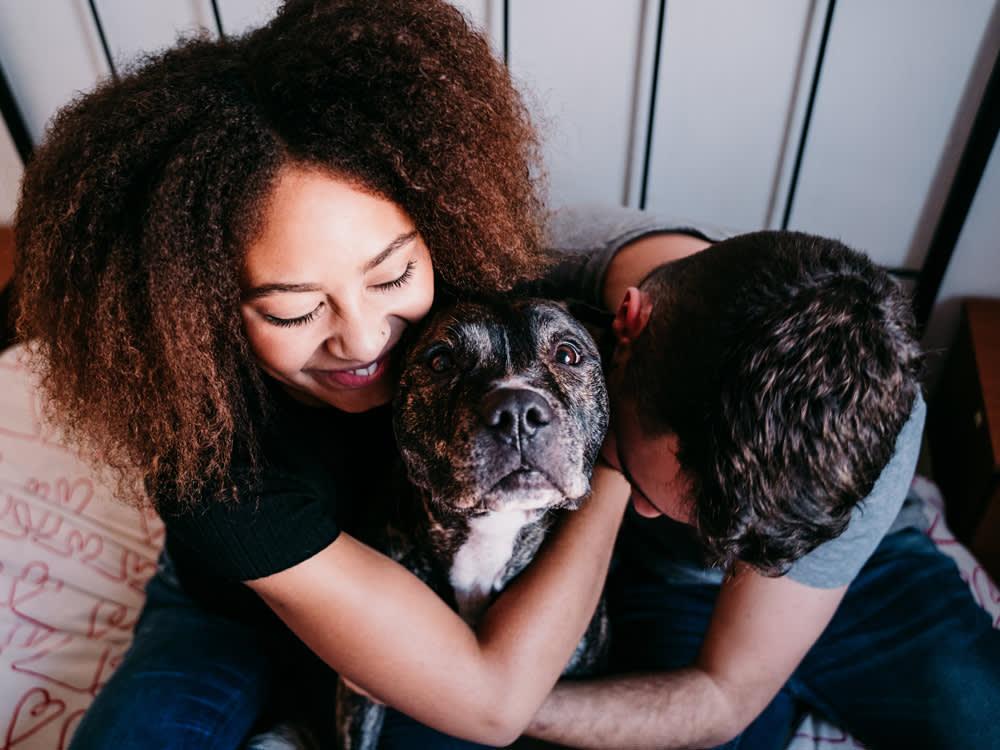
Pibbles may look tough, but they’re total softies at heart. These dogs crave closeness, and love to snuggle up next to you (or on top of you).
Pibbles were once nicknamed “nanny dogs” for their gentle, patient nature around kids. Although any dog should always be supervised around young kids, many Pibble parents describe their pups as intuitive, tolerant, protective, and affectionate with little ones.
Most Pibble parents would agree that being a goofy goober is hard-coded into these dogs’ DNA. Whether they’re zooming across the yard, tossing toys into the air, or tilting their heads dramatically at every funny sound, life with a Pibble is rarely dull.
One classic Pibble personality trait is unwavering loyalty. Once you earn a Pibble’s trust, you’ve got a friend for life. Their loyalty runs deep, and they’ll stick by your side.
Give them positive reinforcement, and they’ll go above and beyond to make you proud. Many Pibbles excel in agility, therapy work, and obedience training.
Pibbles are athletic and make excellent workout partners — they’re always up for a hike, jog, or game of fetch. They need about an hour of exercise daily, which can be from a combination of walks, runs, and fetch (or other types of high-energy play) in a fenced yard.

Meet the bully breeds who will melt your heart.
Ready to bring home a wigglebutt of your own? Here’s how to adopt one of your own.
Many shelters, rescues, and individuals list adoptable dogs on the trusted platform Adopt a Pet. Adopt a Pet allows you to filter by things like age, breed, and location, set alerts for dogs who match your preferences, and connect directly with organizations and individuals to start the adoption process. It’s one of the easiest ways to find your new wiggly best friend from the comfort of home.
Animal shelters and rescues are often overflowing with Pibbles. Backyard breeding and accidental litters create far more puppies than homes available. Add in the stigma, breed-specific legislation, and housing restrictions — and many Pibbles find themselves without homes. Plus, their intelligence and high energy can be a challenge for some people who aren’t prepared to meet those needs, leading to more surrenders.
All of this leaves countless affectionate, eager-to-please dogs waiting far too long for a loving home — and in the most heartbreaking cases, facing euthanasia due to shelter overcrowding. Head over to your local animal shelter, and you’ll almost certainly find everything from playful Pibble puppies to laid-back seniors who just want to nap by your side.
Many rescue groups specialize in bully breeds and put in the effort to match each Pibble with a home that fits their needs. They often offer training tips and behavior support, too, helping set up both you and your new pup for success.
Ideally, before bringing your Pibble home, have all the essentials ready, including:
Food tailored to their age and activity level
Food and water bowls
A leash and harness
Dog treats
A comfy dog bed
Durable chew toys (Pibbles are strong chewers)
A crate or playpen for safe downtime and training
A secure collar with ID tags
Grooming supplies (brush, nail clippers, pet-safe shampoo)
Poop bags

If you’ve been hitting some housing dead-ends due to Pittie bans, don’t give up. This guide will point you toward some practical options.
Once you have the gear, take a little time to dog-proof your space. Dogs explore the world with their mouths, so they pick up any small items they might swallow, such as kids’ toys, coins, hair ties, and earbuds. Secure trash cans and pantry items, hide electrical cords, put away cleaning products, and store shoes or valuables out of reach. Also, you may need to block off some areas of your house with baby gates until your new dog learns the house rules.
Finally, set up a cozy spot where your new pup can decompress as they adjust to their new home.
By adopting a Pibble, you become part of the movement to show the world who these dogs really are — affectionate, loyal companions who deserve love. Share their successes, celebrate their sweetness, and help educate others whenever you can. Every positive Pibble story helps shift public perception and opens more doors for dogs just like them.
A “Pibble” can be any Pit Bull-type breed or mix, so their ancestry varies widely. Some are purebred, while others are blended with everything from Labradors to Boxers to mystery breeds.
Yes, Pibbles are known for their affectionate, people-loving nature. They love being included in family life and are often gentle and playful with kids. As with all dogs, proper training, supervision, and socialization are key to setting up everyone for success.
No, not typically. Pibbles are smart, eager to please, and usually respond well to positive reinforcement. Give them structure, consistency, and rewards, and they’ll likely learn quickly.
Most Pibbles live 12 to 14 years. Keeping them active, feeding them a complete and balanced diet, maintaining a healthy weight, and staying on top of vet checkups can help them enjoy long, happy lives.
“Position Statement on Pit Bulls.” ASPCA, 2015, www.aspca.org/about-us/aspca-policy-and-position-statements/position-statement-pit-bulls.
United Kennel Club. “Breed Standards: American Pit Bull Terrier.” United Kennel Club, 2017, www.ukcdogs.com/american-pit-bull-terrier.

Katie Koschalk is a freelance writer based in Northern California. Fusing her love and knowledge of animals with her journalism degree and years of professional writing, Katie is dedicated to improving the lives of pets and their caretakers by sharing helpful and accurate information. When she’s not at her desk, you can find her exploring trails with her Aussie, Hunter, cooking plant-based meals, and talking to her two cats, Jax and Sadie, in really ridiculous voices.

Breed Info

Adoption Advice
Breed Info

Shelters & Rescue
These dog breeds often fill shelters — discover the reasons behind their frequent surrenders.

Adoption Advice
If you’ve been hitting some housing dead-ends due to Pittie bans, don’t give up. This guide will point you toward some practical options.

Behavior & Training

Behavior & Training
Learn about the unique needs of dogs who’ve called the shelter home for too long.
Adoption Advice
Stumped on what to call your loveably squish-faced, loyal Bulldog? Start your search here, with this endless list of fun names for your new pup.

Breed Info
It’s time to separate fact from fiction when it comes to white Boxers’ temperament and health.