Dog Suddenly Hates Crate at Night? Why It Happens and What to Do
Here’s how to problem-solve when your pup keeps you up at night — because they start hating their crate.
Here’s how to problem-solve when your pup keeps you up at night — because they start hating their crate.
by Adrienne A. Kruzer, BBA, RVT, LVT, | March 13, 2026

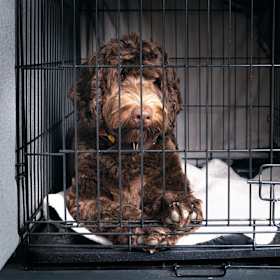
Viktorya Telminova / Shutterstock
Dogs are naturally den animals, so they typically appreciate a small space like a crate to cuddle up and call their own. But some dogs may develop other preferences. Both puppies and adult dogs can suddenly hate their crate, and this can result in a variety of issues for both you and your dog.
From housebreaking issues to excessive barking and whining to physical danger, a dog who doesn’t like being in their crate can be problematic. Determining if the root cause is separation anxiety, fear, discomfort, boredom, or another factor will guide you in helping your dog learn to love, or at least not mind, their crate during the day and at night.
Your dog may no longer like their crate because of a bad, painful, or scary experience they had while in it.
Separation anxiety is a common reason for dogs to hate their crate, especially if they can’t see you while they’re in it.
Older dogs may experience cognitive dysfunction with symptoms sometimes worsening at night.
If existing medical issues have been addressed and crate issues continue, going back to the basics of crate training may be necessary.
There are a variety of reasons why your dog may suddenly hate their crate. Various health issues, behavioral concerns, cognitive dysfunction, poor initial crate training, negative experiences while in the crate, and other reasons can cause your dog to avoid their crate. These issues can cause your dog to develop fear, anxiety, or discomfort while in their crate — and do what they can to avoid it.
Puppies can also hate being in their crate despite having no previous poor experiences. They may develop separation anxiety if they are suddenly unable to get to you or see you while in their crate, may get frustrated because they are confined and aren’t able to run around and play, or may get scared or startled by noises the crate makes.

Petra Richli / Adobe Stock
Before you try to fix why your dog doesn’t want to be in their crate at night, make sure there aren’t any medical concerns or reasons for physical pain or discomfort. Behavioral and environmental issues can be addressed once you know your dog is not struggling in their crate due to a medical issue. If you suspect your dog has a medical reason for not liking their crate, seek veterinary attention for help.
If your dog has an upset stomach, they may find it difficult to get comfortable in their crate. Watch for vomiting and diarrhea as well as gurgling noises coming from your dog’s belly. Dietary indiscretion, stress, underlying medical concerns, and many other things can cause gastrointestinal (GI) upset.

GI issues are common, but very treatable. Here’s how to help your new dog or cat overcome their stomach problems as they settle into your home.
Just as they are with people, urinary tract infections (UTIs) can be irritating and painful for your dog. They can also cause your dog to have an urge to pee and not want to be in a crate that restricts their movement, ability to get comfortable, or access to a place to go potty.
Discomfort and pain can be caused by arthritis as your dog ages. Arthritic aches can be exacerbated by hard surfaces or if your dog isn’t able to lie in a specific position. Because of these aches, crates may suddenly be avoided by your dog.
Sometimes referred to as doggy dementia, canine cognitive dysfunction (CCD) is a disease that develops in older dogs. CCD causes behavioral changes and confusion with symptoms often worsening at night when your dog may normally be crated. Dogs with CCD may suddenly act like they hate being in their crate due to the restlessness the disease causes.

Once medical issues have been addressed with your veterinarian, review any environmental or behavioral reasons for your dog’s change of heart towards their crate. Some possible reasons include:
There are new or loud sounds that might be causing a negative experience for your dog while they are in their crate.
The cage temperature is too hot or too cold at night.
Your dog is unable to see you when they are in their crate at night, which has resulted in stress.
Your dog is experiencing a new fear or anxiety at night while in their crate.
The crate setup is too small or uncomfortable for your dog, especially if they have recently grown.
Your dog is experiencing separation anxiety from a person or pet.
Your dog had poor initial crate training.
Your dog recently experienced an extended period of time in their crate, which is triggering and causing them stress.
The collar or collar tags got caught on the crate and resulted in your dog getting stuck and scared.
Your dog was injured while inside their crate by a person, animal, or accident, and now associates their crate with pain and fear.

Once you’ve confirmed your dog’s crate is safe, appropriately sized, and comfortable — and any medical issues have been addressed — you may need to go back to the basics to get them readapted and create positive experiences in the wire crate.
Train your dog so they see their crate as a safe space by leaving the crate door open, covering the top of it with a blanket or sheet, putting comfy beds or blankets in the crate, placing your dog’s favorite toys in the crate, and giving your dog treats when they smell the crate and go inside of it. Also, feed your dog their regular meals in the crate to create a positive association with it.
As they become more comfortable, you can close them in the crate for short periods of time while staying within sight of your dog. If it’s helpful, you can move the crate into your bedroom, either temporarily or permanently, so your dog can see you at night when they are in their crate. You can likewise consider utilizing dog appeasing pheromones and calming supplements.
If the crate still isn’t working at night or you need a temporary alternative, consider using an exercise pen, baby playpen, dog carrier, upside-down laundry basket, or a bathroom with a baby gate as the door to contain your dog at night, depending on their size and age.
If medical issues and obvious environmental triggers have been addressed, but you’re still struggling to help your dog get comfortable in their crate, consider consulting a veterinary behaviorist. Extreme fear and anxiety may require prescription medication and training assistance from a professional.

Here are some signs your dog needs medical attention.
The decision to let your dog sleep in your bed is up to you. If your dog is housebroken and any medical issues have been addressed, you can allow your dog to sleep in your bed. But there may still come a time when they need to be kept in a crate, such as during hospitalization, boarding, or travel. Because of this, it is still important that your dog doesn’t hate their crate, even if you opt to let them sleep in your bed.
Yes, sometimes putting your dog’s crate in your bedroom or another room where they can see you at night will help with their dog crate anxiety. This can be a temporary or permanent move.
Once your dog is housebroken and they can be trusted to not damage your belongings unsupervised, they no longer need a crate at night. There is no specific age at which these issues will occur. Some dogs may always need to be crated at night.
Admin, A. H. “Dog Dens.” American Humane Society, August 25, 2016. https://www.americanhumane.org/public-education/dog-dens.
“Anxious Behavior: How to Help Your Dog Cope with Unsettling Situations | Cornell University College of Veterinary Medicine.” Accessed February 18, 2026. https://www.vet.cornell.edu/departments-centers-and-institutes/riney-canine-health-center/canine-health-topics/anxious-behavior-how-help-your-dog-cope-unsettling-situations.
“Crate Training Your Dog or Puppy | Animal Humane Society.” Accessed February 18, 2026. https://www.animalhumanesociety.org/resource/crate-training-your-dog-or-puppy.
“Dog Crates: When to Use Them and How to Pick One | Cornell University College of Veterinary Medicine.” Accessed February 18, 2026. https://www.vet.cornell.edu/departments-centers-and-institutes/riney-canine-health-center/canine-health-topics/dog-crates-when-use-them-and-how-pick-one.
Maria Laura. “Is Your Pet Stressed?” Merck Animal Health USA, December 21, 2022. https://www.merck-animal-health-usa.com/pet-owners/behavior/pet-psychology/is-your-pet-neurotic.
Merck Veterinary Manual. “Osteoarthritis in Dogs and Cats - Musculoskeletal System.” Accessed February 18, 2026. https://www.merckvetmanual.com/musculoskeletal-system/osteoarthritis-in-dogs-and-cats/osteoarthritis-in-dogs-and-cats.
“Senior Dog Dementia | Cornell University College of Veterinary Medicine.” Accessed February 14, 2026. https://www.vet.cornell.edu/departments-centers-and-institutes/riney-canine-health-center/canine-health-topics/senior-dog-dementia.

Adrienne Kruzer is an accomplished veterinary technician and writer with over 15 years of hands-on experience caring for domestic and exotic animals.
Behavior & Training
Behavior & Training

Behavior & Training
Behavior & Training
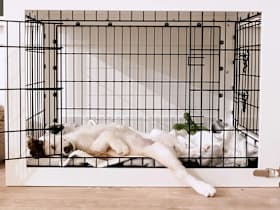
Whether for medical or practical reasons, it is never too late to teach your dog how to comfortably chill in a crate.
Behavior & Training
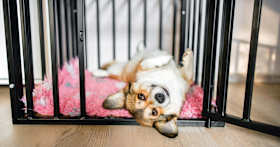
If you want your dog to chill in their crate, you need to make it comfortable. Here’s where to start.
Adoption Advice
Finding the right crate size is important. But so is considering your dog’s age, circumstances, and training goals. Our guide is here to help.
Adoption Advice
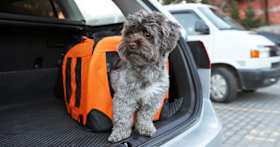
If you haven’t yet discovered, all dog carriers are not created equally. Our guide will help you find the right one for your pup.
Adoption Advice
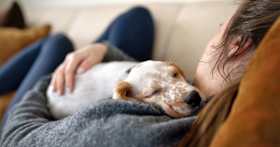
These bundles of energy can be a bit much without proper naptimes. Here’s how to put your little pup on a schedule that will keep everyone happy.
Behavior & Training