Adopt

Domestic Shorthair kittens & cats in Roscoe, Illinois

Looking for a Domestic Shorthair kitten or cat in Roscoe, Illinois? Adopt a Pet can help you find an adorable Domestic Shorthair near you.

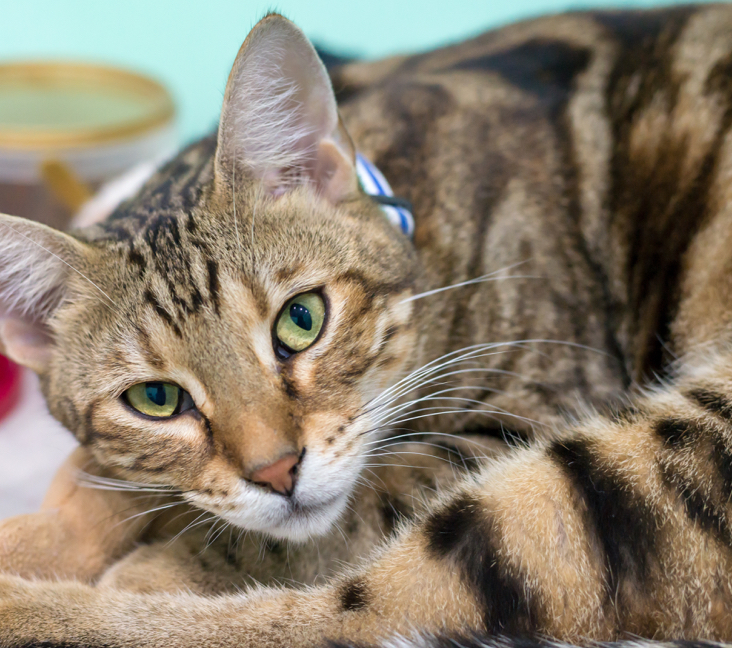
Picture of Domestic Shorthair

Adopt a Domestic Shorthair near you in Roscoe, Illinois

We don't see any Domestic Shorthairs available for adoption right now, but new adoptable pets are added every day. Try a different search below!

Or, how about these Domestic Shorthairs in cities near Roscoe, Illinois

These Domestic Shorthairs are available for adoption close to Roscoe, Illinois.
Photo of Bollo

Bollo

Domestic Shorthair

Male, Adult
Rockford, IL
Size
(when grown) -
Details
Good with kids, Not good with dogs, Good with cats, House-trained, Spayed or Neutered,
Story
"Hi there! I am a handsome 6-year-old cat looking for a calm and patient forever home. I am a quiet and independent boy who values my space. When you feed me, I like to walk right in front of you to show my appreciation, and once I get comfortable, I will gladly follow you from room to room to keep you company and greet you when you get home! Sometimes, I even like to curl up on your lap for some quiet time. I am looking for an understanding family who will give me a little time to fully adjust and open up at my own pace. Could you be my perfect match?"
Photo of Bat Boy

Bat Boy

Domestic Shorthair

Male, 2 mos
Poplar Grove, IL
Size
(when grown) -
Details
Good with kids, Good with dogs, Good with cats, House-trained, Spayed or Neutered, Shots are up-to-date,
Story
Name: Bat BoyBreed: DSHDOB: 7/8/2026Good with kids: YESGood with dogs: YESGood with cats: YESFoster location:  Pingree Grove Adoption fee: $200 a kitten or $350 for a pair of kittens under 2 years of age. Fun Bio: Don’t let his name fool you—this sweet little panther is more snuggle bug than spooky bat! Bat Boy is a playful little guy who loves to zoom, pounce, and have a good time with his foster siblings. And when playtime is over? He’s more than happy to curl up for a cozy nap and soak up some cuddles. Bat Boy came to the rescue as a single kitten, but he quickly discovered that life is much more fun with friends! He absolutely loves his foster siblings and has happily embraced his little feline family. With his playful personality, sweet nature, and serious talent for turning into a sleepy cuddle puddle, Bat Boy is ready to swoop into his forever home and steal some hearts. Play hard. Snuggle harder. That’s Bat Boy! Kittens need to hit 2 pounds (usually around 10–12 weeks old) before they can be spayed or neutered. We try to schedule their surgeries as close to that mark as possible, but of course it depends on the vet’s availability. This all has to happen before they’re ready for adoption—so once they’re fixed, they’ll be on their way to their forever homes!  If interested in a pet from us please fill out the adoption application that is located on our website.  We process applications in the order in which they are received.   We always recommend playtime, positive reinforcement training and a regular schedule for feeding times when bringing a new cat/kitten into your home. Adjustment takes time for both you and your new family member, so remember to be patient and enjoy this new and exciting time! Included in the adoption fee are age appropriate vaccinations, FeLV/FIV testing (done at 26 weeks), deworming, spay or neuter surgery, and microchip. Anti-Declawing Policy: All cats and kittens will have a no declaw policy in their adoption contract with us!   Declawing is a series of bone amputations.  Declawing is more accurately described by the term de-knuckling and is not merely the removal of the claws, as the term “declawing” implies.  In humans, fingernails grow from the skin, but in animals that hunt prey, the claws grow from the bone; therefore, the last bone is amputated so the claw cannot re-grow.  Declawing is one of the most painful, routinely performed procedures in all of veterinary medicine.  Each toe of the cat is amputated at the first joint.  Declawing a cat is equivalent in a person to amputating the entire first knuckle of every finger.  Declawing is done strictly for the benefit of the owner.  There are NO benefits to the cat and NO good reasons to declaw. Declawing can lead to behavior changes.  A declawed cat has no way to defend itself and may resort to biting more often.  Due to pain, they may stop using the litter box.  There are humane alternatives to declawing.  Cats can be trained to use scratching posts.  They should have their nails trimmed regularly.  There is double sided sticky tape that can be put on furniture to deter a cat from scratching there.  There are also nail caps called Soft Paws that are glued onto a cat's nail without harm.   ##2809893##
Photo of Jackson Pollock

Jackson Pollock

Domestic Shorthair

Male, 1 yr 5 mos
Poplar Grove, IL
Size
(when grown) -
Details
Good with kids, Good with dogs, Good with cats, House-trained, Spayed or Neutered, Shots are up-to-date,
Story
Name: Jackson PollockBreed: DSHDOB: 4/27/2025Good with kids: YESGood with dogs: YESGood with cats: YESFoster location:  Cherry Valley, IL Adoption fee: $200 Fun Bio: Jackson is a sweet cuddly purr baby! He loves to be around people and starts purring loudly and comes running for pets as soon as you say his name Jackson is eager to love and be loved! If interested in a pet from us please fill out the adoption application that is located on our website.  We process applications in the order in which they are received.   We always recommend playtime, positive reinforcement training and a regular schedule for feeding times when bringing a new cat/kitten into your home. Adjustment takes time for both you and your new family member, so remember to be patient and enjoy this new and exciting time! Included in the adoption fee are age appropriate vaccinations, FeLV/FIV testing (done at 26 weeks), deworming, spay or neuter surgery, and microchip. Anti-Declawing Policy: All cats and kittens will have a no declaw policy in their adoption contract with us!   Declawing is a series of bone amputations.  Declawing is more accurately described by the term de-knuckling and is not merely the removal of the claws, as the term “declawing” implies.  In humans, fingernails grow from the skin, but in animals that hunt prey, the claws grow from the bone; therefore, the last bone is amputated so the claw cannot re-grow.  Declawing is one of the most painful, routinely performed procedures in all of veterinary medicine.  Each toe of the cat is amputated at the first joint.  Declawing a cat is equivalent in a person to amputating the entire first knuckle of every finger.  Declawing is done strictly for the benefit of the owner.  There are NO benefits to the cat and NO good reasons to declaw. Declawing can lead to behavior changes.  A declawed cat has no way to defend itself and may resort to biting more often.  Due to pain, they may stop using the litter box.  There are humane alternatives to declawing.  Cats can be trained to use scratching posts.  They should have their nails trimmed regularly.  There is double sided sticky tape that can be put on furniture to deter a cat from scratching there.  There are also nail caps called Soft Paws that are glued onto a cat's nail without harm.   ##2446328##
Photo of Huckleberry Finn

Huckleberry Finn

Domestic Shorthair

Male, 6 mos
Poplar Grove, IL
Size
(when grown) -
Details
Good with kids, Good with dogs, Good with cats, House-trained, Spayed or Neutered, Shots are up-to-date,
Story
Name:  Huckleberry FinnBreed: Domestic ShorthairDOB: 3/27/2026Good with kids: YESGood with dogs: YESGood with cats: YESFoster location:  Wisconsin Dells, WI Adoption fee: $200 a kitten or $350 for a pair of kittens under 2 years of age. Fun Bio: Huck Finn is a laid-back fluffy tan and white with sharp amber eyes and an independent streak as wide as the Mississippi River. Named after the adventurous wanderer from classic literature, Huck is happiest when he's exploring new territory, slipping through open doors, or discovering hidden napping spots no one else can find.Unlike his more mischievous friend Tom Sawyer, Huck prefers freedom and curiosity over elaborate schemes. He's resourceful, fearless, and always ready for a quiet adventure, whether that means prowling the household at dawn or investigating every rustle and shadow. Though he values his independence, Huck is deeply loyal to the people he trusts, often appearing at just the right moment for a comforting purr or a companionable cuddle.With his easygoing charm, adventurous spirit, and quiet confidence, Huck Finn is the kind of kitten who makes every day feel like a journey waiting to happen. Kittens need to hit 2 pounds (usually around 10–12 weeks old) before they can be spayed or neutered. We try to schedule their surgeries as close to that mark as possible, but of course it depends on the vet’s availability. This all has to happen before they’re ready for adoption—so once they’re fixed, they’ll be on their way to their forever homes!  If interested in a pet from us please fill out the adoption application that is located on our website.  We process applications in the order in which they are received.   We always recommend playtime, positive reinforcement training and a regular schedule for feeding times when bringing a new cat/kitten into your home. Adjustment takes time for both you and your new family member, so remember to be patient and enjoy this new and exciting time! Included in the adoption fee are age appropriate vaccinations, FeLV/FIV testing (done at 26 weeks), deworming, spay or neuter surgery, and microchip. Anti-Declawing Policy: All cats and kittens will have a no declaw policy in their adoption contract with us!   Declawing is a series of bone amputations.  Declawing is more accurately described by the term de-knuckling and is not merely the removal of the claws, as the term “declawing” implies.  In humans, fingernails grow from the skin, but in animals that hunt prey, the claws grow from the bone; therefore, the last bone is amputated so the claw cannot re-grow.  Declawing is one of the most painful, routinely performed procedures in all of veterinary medicine.  Each toe of the cat is amputated at the first joint.  Declawing a cat is equivalent in a person to amputating the entire first knuckle of every finger.  Declawing is done strictly for the benefit of the owner.  There are NO benefits to the cat and NO good reasons to declaw. Declawing can lead to behavior changes.  A declawed cat has no way to defend itself and may resort to biting more often.  Due to pain, they may stop using the litter box.  There are humane alternatives to declawing.  Cats can be trained to use scratching posts.  They should have their nails trimmed regularly.  There is double sided sticky tape that can be put on furniture to deter a cat from scratching there.  There are also nail caps called Soft Paws that are glued onto a cat's nail without harm.   ##2751122##
Photo of Wynken

Wynken

Domestic Shorthair

Male, 5 mos
Poplar Grove, IL
Size
(when grown) -
Details
Good with kids, Good with dogs, Good with cats, House-trained, Spayed or Neutered, Shots are up-to-date,
Story
Name:  WynkenBreed: DSH/TabbyDOB: 4/25/2026Good with kids: YESGood with dogs: YESGood with cats: YESFoster location:  Rockford, IL  Adoption fee: $200 a kitten or $350 for a pair of kittens under 2 years of age. Fun Bio: Wynken is the biggest of the litter but he's a sweetheart. We think he'll grow up to be a gentle giant. Wynken is happy when roughhousing with his siblings or cuddling with his humans. He has a striking dark grey coat with subtle stripes and spots. Wynken is the full package: playful, affectionate, and easy-going. Kittens need to hit 2 pounds (usually around 10–12 weeks old) before they can be spayed or neutered. We try to schedule their surgeries as close to that mark as possible, but of course it depends on the vet’s availability. This all has to happen before they’re ready for adoption—so once they’re fixed, they’ll be on their way to their forever homes!  If interested in a pet from us please fill out the adoption application that is located on our website.  We process applications in the order in which they are received.   We always recommend playtime, positive reinforcement training and a regular schedule for feeding times when bringing a new cat/kitten into your home. Adjustment takes time for both you and your new family member, so remember to be patient and enjoy this new and exciting time! Included in the adoption fee are age appropriate vaccinations, FeLV/FIV testing (done at 26 weeks), deworming, spay or neuter surgery, and microchip. Anti-Declawing Policy: All cats and kittens will have a no declaw policy in their adoption contract with us!   Declawing is a series of bone amputations.  Declawing is more accurately described by the term de-knuckling and is not merely the removal of the claws, as the term “declawing” implies.  In humans, fingernails grow from the skin, but in animals that hunt prey, the claws grow from the bone; therefore, the last bone is amputated so the claw cannot re-grow.  Declawing is one of the most painful, routinely performed procedures in all of veterinary medicine.  Each toe of the cat is amputated at the first joint.  Declawing a cat is equivalent in a person to amputating the entire first knuckle of every finger.  Declawing is done strictly for the benefit of the owner.  There are NO benefits to the cat and NO good reasons to declaw. Declawing can lead to behavior changes.  A declawed cat has no way to defend itself and may resort to biting more often.  Due to pain, they may stop using the litter box.  There are humane alternatives to declawing.  Cats can be trained to use scratching posts.  They should have their nails trimmed regularly.  There is double sided sticky tape that can be put on furniture to deter a cat from scratching there.  There are also nail caps called Soft Paws that are glued onto a cat's nail without harm.   ##2748821##
Photo of Sherbet

Sherbet

Domestic Shorthair

Male, 4 mos
Poplar Grove, IL
Size
(when grown) -
Details
Good with kids, Good with dogs, Good with cats, House-trained, Spayed or Neutered, Shots are up-to-date,
Story
Name: SherbetBreed: DSHDOB: 6/1/2026Good with kids: YESGood with dogs: YESGood with cats: YESFoster location:  Pingree Grove, IL  Adoption fee: $200 a kitten or $350 for a pair of kittens under 2 years of age. Fun Bio: Sweet, silky, and just the right amount of silly—Sherbet is a little treat you won’t be able to resist! Just like his namesake, Sherbet is smooth, soft, and absolutely delightful. He’s also a professional flopper. Give him an opportunity to flop over for some attention, and he is ALL IN! Whether it’s a cozy spot, a favorite human, or a chance to show off his silly side, Sherbet is ready to flop right into it. And toys? He loves them ALL! Sherbet is always up for some playtime and can turn just about anything into his next great adventure. With his silky fur, goofy personality, love of toys, and irresistible flops, Sherbet is one sweet little treat who is sure to melt his way into your heart. Life is sweeter with Sherbet!  Kittens need to hit 2 pounds (usually around 10–12 weeks old) before they can be spayed or neutered. We try to schedule their surgeries as close to that mark as possible, but of course it depends on the vet’s availability. This all has to happen before they’re ready for adoption—so once they’re fixed, they’ll be on their way to their forever homes!  If interested in a pet from us please fill out the adoption application that is located on our website.  We process applications in the order in which they are received.   We always recommend playtime, positive reinforcement training and a regular schedule for feeding times when bringing a new cat/kitten into your home. Adjustment takes time for both you and your new family member, so remember to be patient and enjoy this new and exciting time! Included in the adoption fee are age appropriate vaccinations, FeLV/FIV testing (done at 26 weeks), deworming, spay or neuter surgery, and microchip. Anti-Declawing Policy: All cats and kittens will have a no declaw policy in their adoption contract with us! Declawing is a series of bone amputations.  Declawing is more accurately described by the term de-knuckling and is not merely the removal of the claws, as the term “declawing” implies.  In humans, fingernails grow from the skin, but in animals that hunt prey, the claws grow from the bone; therefore, the last bone is amputated so the claw cannot re-grow.  Declawing is one of the most painful, routinely performed procedures in all of veterinary medicine.  Each toe of the cat is amputated at the first joint.  Declawing a cat is equivalent in a person to amputating the entire first knuckle of every finger.  Declawing is done strictly for the benefit of the owner.  There are NO benefits to the cat and NO good reasons to declaw. Declawing can lead to behavior changes.  A declawed cat has no way to defend itself and may resort to biting more often.  Due to pain, they may stop using the litter box.  There are humane alternatives to declawing.  Cats can be trained to use scratching posts.  They should have their nails trimmed regularly.  There is double sided sticky tape that can be put on furniture to deter a cat from scratching there.  There are also nail caps called Soft Paws that are glued onto a cat's nail without harm.   ##2772194##

Search for a Domestic Shorthair kitten or cat

Use the search tool below to browse adoptable Domestic Shorthair kittens and adults Domestic Shorthair in Roscoe, Illinois.

Domestic Shorthair kittens & cats in nearby cities

Related breeds in Roscoe, Illinois

Domestic Shorthair shelters & rescues in Roscoe, Illinois

There are animal shelters and rescues that focus specifically on finding great homes for Domestic Shorthair kittens in Roscoe, Illinois. Browse these Domestic Shorthair rescues and shelters below.

Here are a few organizations closest to you:

Rescue

8.1 miles

A Little R&R Animal Sanctuary - Poplar Grove

Poplar Grove, IL 61065

Pet Types: cats, dogs, small animals

More an arrow icon

Shelter

12.9 miles

PAWS Humane Society

7282 N Cherryvale Mall Drive, Rockford, IL 61112

Pet Types: cats, dogs

More an arrow icon

Shelter

17.1 miles

Humane Society of Southern Wisconsin

4700 S County Rd G, Janesville, WI 53546

Pet Types: cats, birds, dogs, rabbits, small animals

More an arrow icon

Rescue

19.5 miles

Friends of Noah-WI

Janesville, WI 53547

Pet Types: cats, dogs

More an arrow icon

Rescue

22.6 miles

Ricky's Rascals

101 N State St, Marengo, IL 60152

Pet Types: cats, birds, dogs, rabbits, reptiles, small animals

More an arrow icon

Shelter

27.4 miles

The Barn on Baseline Animal Shelter/Adoption Center

16173 Baseline Rd, Genoa, IL 60135

Pet Types: cats, dogs

More an arrow icon

Shelter

28.6 miles

Helping Paws Animal Shelter

2500 Harding, Woodstock, IL 60098

Pet Types: cats, dogs

More an arrow icon

Shelter

29.3 miles

Lakeland Animal Shelter

PO Box 1000, 3615 State Road 67, Elkhorn, WI 53121

Pet Types: cats, birds, dogs, horses, rabbits, small animals

More an arrow icon

Rescue

30.6 miles

BaristaCats Cafe & Sanctuary for Wayward Cats

135 W Center Street, Whitewater, WI 53190

Pet Types: cats

More an arrow icon

Shelter

32.8 miles

Animal House Shelter, Inc

13005 Ernesti Rd, Huntley, IL 60142

Pet Types: cats, dogs

More an arrow icon

Looking for a specific shelter or rescue?

If you're not seeing what you're looking for, try our shelter and rescue search. We have more than 17,000 organizations in our database with furry pals waiting for a new home!

magnifying glass with cat and dog

Want to learn more about adopting a Domestic Shorthair kitten or cat?

We've got all the info you need on adopting and caring for a Domestic Shorthair kitten. Check out the links below for everything you ever wanted to know about Domestic Shorthair kittens and adults.

Domestic Shorthair basics

clipboard with list

Where do Domestic Shorthairs come from? How many types of Domestic Shorthairs are there? From the history of the breed to question about average height, weight and size, brush up on these basic facts about the Domestic Shorthair.

Learn More an arrow icon