30 Small Dog Breeds That Make The Best Pets
Are you thinking of adopting a small dog? Learn more about small dog breeds and what it takes to keep them happy.
Are you thinking of adopting a small dog? Learn more about small dog breeds and what it takes to keep them happy.
by Kelly Villa, | May 5, 2024

Ani Dimi / Stocksy
Some of the best things come in small packages, and small-breed dogs are no exception. Small dogs, who are considered as such if they grow to an average weight of 25 pounds or under, can do just about everything that large dogs can. Real talk: They’re decidedly better lap-dogs too.
Why adopt a small dog (opens in a new tab)? Small dogs are great for many reasons: They usually eat less food, are much easier to travel with, and often live longer than their larger counterparts. Small dogs take up less space, have a lower activity level that generally requires less exercise, and are easier to groom and walk, too. And if you’re an apartment renter (opens in a new tab), you might find it easier to have a small dog as many landlords allow them.
Many small dogs are bred to be affectionate and docile companions (opens in a new tab), which means these little pups are expert cuddlers. Small-breed companion dogs often want to be around their people (opens in a new tab) 24/7, which means they tend to follow their people everywhere they go (we mean everywhere). All these pups want is to be by your side.
Before adopting a small dog, make sure you factor in their disadvantages too. Some small dog breeds make good watchdogs (yes — that means they can be barkers). They tend to be clingy, so socialization with other people and animals is super important. Toy breeds can be fragile, so they might not be suitable for all families and lifestyles. And remember, just because they’re small doesn’t mean they aren’t dogs. Small dogs can be loud, and they can dig, chew, and get up to mischief like any other dog. Plenty of exercise and early obedience training can help discourage these behaviors and ensure your pup has good manners.
If you’re considering adopting a new dog (opens in a new tab), here’s a list of some popular pint-sized pups. If tiny pups aren’t for you, try these large dog breeds (opens in a new tab) instead.

Bianca Beltran / Stocksy
The top contender for best small dog breed is also the smallest of all the dog breeds — and perhaps the most famous. The Chihuahua (opens in a new tab)is a toy dog named for the Mexican state of Chihuahua, from which they originate. Purebred healthy Chihuahuas (opens in a new tab) grow to be about six pounds at their biggest and can be all different colors. They can be fiercely loyal to their person and just straight-up fierce with strangers, making them good watchdogs. However, consistent training and regular exercise will enormously help a Chihuahua’s temperament, so don’t just relegate these tiny dogs to your lap. They can do so much more.
Weight: 2 to 7 pounds
Height: 6 to 9 inches

Konstantin Koreshkov / Shutterstock
One of the best small dog breeds is also the oldest of the toy spaniels, the Papillon (opens in a new tab). The name comes from the French word for butterfly, referencing its large ears that fan out from its face with lots of silky tendrils. They only grow to be about 10 pounds, so while they’re good with kids (opens in a new tab), they should be supervised to prevent accidental injury. These small dogs are quite smart and easily trained, which makes them great for dog sports such as agility, rally, and canine freestyle.
Weight: 5 to 10 pounds
Height: 8 to 11 inches

KristinaSh / Shutterstock
Descended from the German Spitz, the tiny eight-pound Pomeranian (opens in a new tab) has the face of a miniature bear (opens in a new tab) on the body of a puffball. They have that forever-puppy look to them. Like many small dogs, Poms can be quite vocal. They are also delicate, which means they don’t make great dogs for inexperienced kids, as they need a mature handler who can patiently work with them, especially on the barking thing.
Weight: 4 to 6 pounds
Height: 9 to 11 inches

everydoghasastory / AdobeStock
The Shih Tzu (opens in a new tab), which is believed to be the descendant of the Pekingese (opens in a new tab) and the Lhasa Apso (opens in a new tab), is a long-haired pup that can grow between eight and 16 pounds. These small dogs are very affectionate — they make great lap-dogs and like to make friends with everyone they meet. Their long, flowing manes require pretty consistent grooming. Shih Tzus can also get pretty bad separation anxiety (opens in a new tab) since they were bred to be close companions, so make sure you have the time and attention for these little lovebugs.
Weight: 11 to 18 pounds
Height: 9 to 11 inches

mak / Stocksy
Sometimes called the “wiener dog” because of their long tubular body, the Dachshund (opens in a new tab) is a small hound breed with itty-bitty legs and a long snout. This smaller variety (opens in a new tab) can weigh up to 11 pounds and comes in all types of colors and hair lengths. They aren’t built for lots of running and jumping but enjoy regular exercise and a weekly brush. Dachshunds are very friendly but can be stubborn and stand up for themselves if mistreated.
Weight: 8 to 11 pounds
Height: 5 to 6 inches

BGSmith / Shutterstock
The Morkie (opens in a new tab) is a cross between a Yorkshire Terrier (opens in a new tab) and a Maltese (opens in a new tab), and typically weighs around 13 pounds. These pups are energetic, super cute, and open to making friends everywhere. This small dog breed can be quite vocal and excitable, but exercise and consistent training, as well as some quiet time to wind down, can help. They don’t shed much, have low dander, and don’t need as many haircuts as the average fluffy dog. One potential challenge is getting them housetrained (opens in a new tab), as the Maltese doesn’t love peeing outside.
Weight: 4 to 8 pounds
Height: 7 to 9 inches

Bo Bo / Stocksy
Coming in at 18 pounds, with a short stocky body, curled tail, and wrinkly folds on their sweet face, is the short-nosed Pug (opens in a new tab). These small dogs are perhaps best known for their flat faces (opens in a new tab), which can unfortunately be the source of a lot of health problems. They often need surgery in the first year of their life to enlarge their nostrils to help with breathing, and that’s just the beginning of the list of health issues a Pug faces (opens in a new tab). They need constant face grooming to keep their airways clear and their eyes cleaned, as they are susceptible to corneal ulcers. Affectionate and sweet companions, Pug lovers might be better served by a Pug mix that helps with some of these issues, like a Puggle (opens in a new tab).
Weight: 14 to 18 pounds
Height: 10 to 12 inches

Peter Mayer 67 / Shutterstock
Native to Cuba, the Havanese (opens in a new tab) resembles a Shih Tzu (opens in a new tab) but is from the Bichon (opens in a new tab) family of dogs. Havanese can reach about 16 pounds when fully grown and make great lap-dogs. They can, however, get quite destructive and loud if left alone for too long. They need companionship and make great therapy dogs (opens in a new tab) for that reason. It’s important to keep their silky fur groomed to prevent mats from forming.
Weight: 7 to 13 pounds
Height: 8 to 11 inches

everydoghasastory / Shutterstock
The small British spaniel breed has a very recognizable round face and long silky ears. Their coats come in different colors and grow longer along their belly in a wavy pattern, so they require some brushing. Cavalier King Charles Spaniels (opens in a new tab) are quite docile and quiet for an 18-pound dog, making them great companions, but they can get loud if they’re stressed out or bored. Adopting a Cavalier is wonderfu (opens in a new tab)l; they are quite patient and known for being good with kids.
Weight: 12 to 18 pounds
Height: 12 to 13 inches
Search for adoptable Cavalier King Charles Spaniels (opens in a new tab)

Demetr White / Stocksy
The Beagle (opens in a new tab) is a scent hound that strongly resembles a Foxhound (opens in a new tab) but only grows to about 25 pounds. They’re affectionate and fairly low-maintenance dogs (opens in a new tab) for smaller homes and apartments. They’re not easily trained, though, as they were bred to be high-energy hunting dogs. They also shed a whole lot during shedding season, so have a brush and vacuum on standby. They love being around people and will resort to destructive behavior if left on their own too long.
Weight: 18 to 30 pounds
Height: 13 to 16 inches

Aleksandra Jankovic / Stocksy
This 25-pound popular American dog breed (opens in a new tab) is known for its tuxedo-style coat and tall, pointed ears. Like Pugs, these popular small dogs are bred for their short faces and domed heads, which can cause health issues such as breathing problems and eye disease. Boston Terriers (opens in a new tab) are affectionate and energetic and can be good for families, though they should be supervised while getting to know new kids. They’re fine in smaller homes and apartments as long as they get regular exercise.
Weight: 10 to 25 pounds
Height: 11 to 17 inches

everydoghasastory / Shutterstock
This 14-pound dog originated in China and was once popular in the Chinese imperial court. Pekingese (opens in a new tab) have flat faces and long, luxurious coats that require careful maintenance. They’re wonderful house pets and love companionship, which means separation anxiety is an issue if they’re left alone too long. Like many old breeds of dogs, they are subject to some hereditary health issues, which can make them expensive pets to keep.
Weight: 7 to 12 pounds
Height: 6 to 9 inches
Search for adoptable P (opens in a new tab)ekingese (opens in a new tab)s (opens in a new tab)

Linas T / Shutterstock
Poodles (opens in a new tab) come in several sizes, but the Miniature Poodle (opens in a new tab) is a small dog breed that comes in at about 17 pounds. These highly intelligent and active dogs make friendly companions. Their curly coats are considered hypoallergenic (opens in a new tab), making them a good choice for people with mild dog allergies (opens in a new tab). That coat does require grooming, which can be fun for some pet parents who enjoy styling their Miniature in the classic Poodle look. They can be quite sensitive, however, so they do best with a family that has a set routine.
Weight: 10 to 18 pounds
Height: 11 to 15 inches
Search for adoptable Miniature Toy Poodles (opens in a new tab)
GoranH / Pixabay
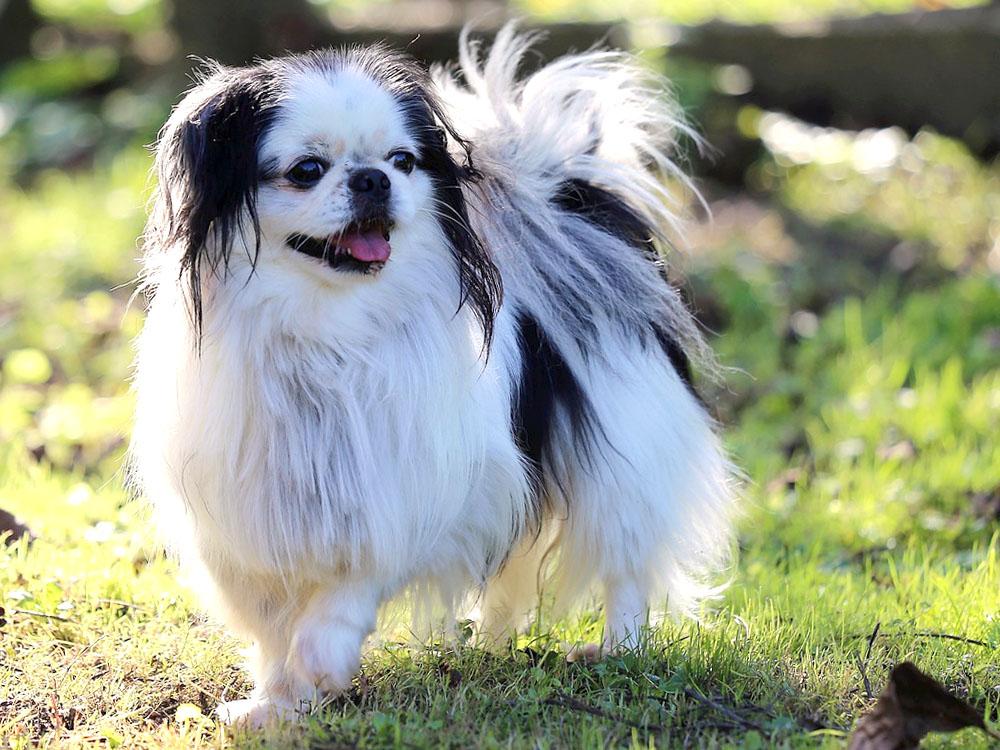
Japanese Chins (opens in a new tab) have adorable flattened faces, large eyes, and surprisingly long ears. These affectionate dogs enjoy showering their pet parents with love and attention. While this brachycephalic breed (opens in a new tab) has a lower activity level, they still require regular walks.
Weight: 7 to 11 pounds
Height: 8 to 11 inches

mixetto / iStock
Maltese (opens in a new tab) are petite pups who weigh up to seven pounds and reach nine inches in height, making them ideal purse dogs. And thanks to their coat of hair (not fur), they're somewhat hypoallergenic, too. But despite their size, these pups can be vocal and sassy. They can bark when excited, and some even make good alert dogs.
Weight: 4 to 7 pounds
Height: 8 to 10 inches

OlgaOvcharenko / AdobeStock
Hailing from Louisiana, the American Hairless Terrier (opens in a new tab) is considered hypoallergenic and might be a good choice for mild allergy sufferers, thanks to their lack of fur (opens in a new tab). What they lack in fur, though, they make up for with spunk. Like any terrier, these playful dogs need plenty of walks, play, and exercise.
Weight: 12 to 16 pounds
Height: 12 to 16 inches
Search for adoptable American Hairless Terriers (opens in a new tab)

Von buritora / AdobeStock
This former circus dog is known for their poofy white coat (opens in a new tab) and playful personality. The Bichon Frise (opens in a new tab) thrives on attention, loves being close to their humans, and is always down for a good cuddle session.
Weight: 7 to 13 pounds
Height: 9 to 12 inches

Claudio Schwarz / Unsplash
Miniature Pinscher (opens in a new tab)s may be small, but they have some serious athletic skills. These little pups are total rockstars in dog sports such as obedience trials and agility. These adorable dogs were bred to be rat hunters, making them fearless but devoted companions.
Weight: 8 to 12 pounds
Height: 10 to 12 inches
Search for adoptable Miniature Pinschers (opens in a new tab)

David Keller / Stocksy
The Basenji (opens in a new tab) is a great choice if you’re searching for a low-maintenance and friendly pup. These dogs may be “barkless,” but that doesn’t mean they’re quiet; they have a distinct yodel. With some training, they can make excellent pets.
Weight: 20 to 24 pounds
Height: 16 to 17 inches

Steve Ding / Unsplash
The American Eskimo Dog (opens in a new tab) varies in size from small to medium and is known for their high energy levels. These smart pups (opens in a new tab) are related to the Pomeranian breed, so you know they’re cute, but they also require a pet parent who can keep up with their energy.
Weight: 18 to 35 pounds
Height: 15 to 19 inches
Search for adoptable American Eskimo Dogs (opens in a new tab)

Mikhail Reshetnikov / AdobeStock
Jack Russells (opens in a new tab) are small dogs known for their tenacious personality and boundless energy. These dogs love to bark, and their independent nature means they can be stubborn, so they’ll require a dedicated active pet parent (opens in a new tab) who can keep them busy.
Weight: 9 to 15 pounds
Height: 10 to 12 inches
Search for adoptable Jack Russell Terriers (opens in a new tab)

RDNE Stock Project / Pexels
The American Cocker Spaniel (opens in a new tab), commonly called the “Cocker Spaniel (opens in a new tab),” has an eager-to-please nature, making these delightful dogs a breeze to train. They make fast friends with kids and other pets and are a good fit for many families.
Weight: 20 to 30 pounds
Height: 13 to 15 inches
Search for adoptable American Cocker Spaniels (opens in a new tab)
Alberlan Barros / Pexels
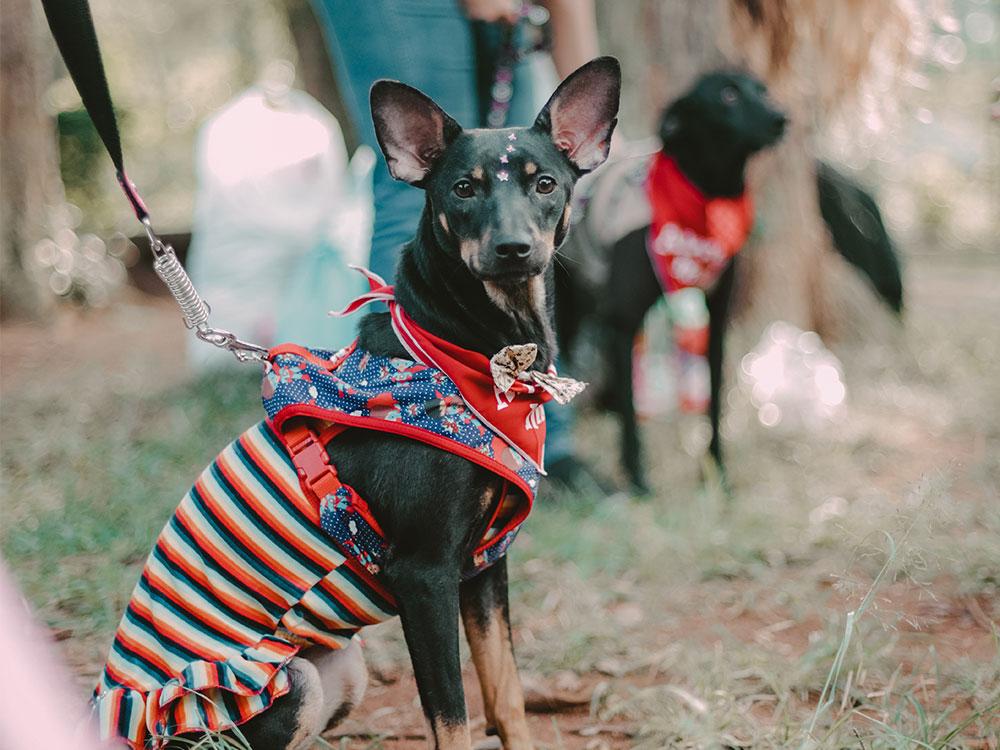
The Manchester Terrier (opens in a new tab) is a sleek, intelligent small-breed dog with plenty of energy. They are ideal for active pet parents looking for a sidekick who is always up for an adventure.
Weight: 12 to 22 pounds
Height: 15 to 16 inches
Search for adoptable Manchester Terriers (opens in a new tab)

Jonathan Borba / Pexels
The Miniature Schnauze (opens in a new tab)r is a fun and intelligent breed known for their wiry coat and endearing personality. They make excellent companions (opens in a new tab) for individuals seeking an energetic and engaging four-legged friend.
Weight: 13 to 20 pounds
Height: 12 to 14 inches
Search for adoptable Miniature Schnauzers (opens in a new tab)

Christine McCann / iStock/ Norfolk Terrier
The Norfolk Terrier (opens in a new tab) is a high-energy breed with a unique wiry coat and compact stature. This breed is a great choice for active pet parents in search of an energetic and devoted companion; these terriers require plenty of physical and mental exercise.
Weight: 11 to 12 pounds
Height: 9 to 10 inches

Ariana Kaminski / Unsplash
The Westie (opens in a new tab) is a charming small breed known for their iconic white coat (opens in a new tab) and compact build. A fantastic choice for active pet parents seeking an energetic and affectionate companion, Westies bring a lively spirit to every adventure and thrive with regular physical and mental stimulation.
Weight: 15 to 20 pounds
Height: 10 to 11 inches
Search for adoptable West Highland White Terriers (opens in a new tab)

Sarah McGraw / Shutterstock
The Rat Terrier (opens in a new tab) is a dynamic and agile breed known for their boundless energy and sharp intellect. Rat Terriers thrive with plenty of mental and physical exercise, so these small pups are an ideal match for active pet parents.
Weight: 10 to 20 pounds
Height: 10 to 18 inches

Katie Bernotsky / Unsplash
The Chinese Crested (opens in a new tab) is divided into two types: the Hairless and the Powderpuff. As the name suggests, the Hairless variety has a hairless body with tufts of hair on their head, while the Powderpuff has a soft and flowing coat. Chinese Cresteds are well-suited for pet parents looking for an affectionate pup and don’t mind their high-maintenance ‘dos.
Weight: 5 to 12 pounds
Height: 9 to 13 inches

David Utt / Unsplash
With their signature “bat ears” and compact build, the French Bulldog (opens in a new tab) was recently named America’s most popular dog (opens in a new tab) by the American Kennel Club. This flat-faced breed is robust and playful, making them wonderful companions for various lifestyles.
Weight: 19 to 28 pounds
Height: 11 to 13 inches

SimonSkafar / iStock
The Coton de Tulear (opens in a new tab) is a charming, hypoallergenic breed with a cotton-like coat, adored for their affectionate, endearing demeanor and small size. This breed is ideal for those seeking a loving and low-allergen companion.
Weight: 8 to 15 pounds
Height: 9 to 12 inches
All dogs need daily walks, small breed dogs included. Just because they’re small doesn’t mean they’ll be happy cooped up in the house all day. Many small-breed dogs were originally bred as working dogs (opens in a new tab), which means they require at least two walks a day and could still have energy to spare. Even dogs bred to be companion dogs (opens in a new tab) require daily exercise, play, and mental stimulation to keep them from getting bored and into mischief. “Without enough exercise, dogs can develop physical problems, such as muscular, cardiovascular or metabolic diseases, and behavioral problems that are manifestations of frustration and increased irritability,” says Paul McGreevy (opens in a new tab), Ph.D. Many small dogs are available for adoption at local shelters and rescue groups (opens in a new tab) across the United States. Start your search for a friendly small dog at adoptapet.com (opens in a new tab).
Many small dog breeds are available for adoption at local shelters and rescue groups across the United States. Start your search on Adopt a Pet (opens in a new tab) to find all available small-breed dogs in your area.
While you check out local pups who need homes, think about the practicalities of adding a small-sized dog to your home. These dogs come with specific needs to remain happy and healthy. The following is a list of key questions to ask yourself before deciding to adopt a small-breed dog.
Small-size breeds can weigh up to 25 pounds. This means that they’re great for smaller homes and apartments (opens in a new tab), and larger homes too. However, if you rent, do not forget to check if your management allows canine roommates.
Even small dogs can pack big bursts of energy. They’ll need at least two walks a day and some playtime which can include exercise and activities that provide mental stimulation. Ignore these responsibilities, and your dog will more than likely get bored…and misbehave.
Research your dog’s breed (or mixes) to learn more about their needs and temperament, in addition to talking to the animal shelter or rescue workers for more insight into your pet’s personality. Be prepared to invest both time and energy to help them acclimate to your home and for larger behavioral training.
Do not underestimate the importance of budgeting before you even adopt your pup. You should account for first-time expenses (such as adoption and vaccination fees, microchipping, a crate and/or bed, toys, and a leash). Then, create a budget for recurring monthly expenses (such as food, veterinary insurance, training, and various supplies). All of the above will add up, so you must be financially prepared. Refer to our “How Much Does a Dog Cost? (opens in a new tab)” guide for a full list of expenses.
While small dog breeds are generally considered to be as healthy as their larger breed counterparts, there are some health conditions small dogs may be more susceptible to, including:
Small dogs can have unique health challenges, most notably issues regulating body temperature. You’ve probably noticed that many small-breed dogs tend to shake; one reason is that they’re cold. Small dog pet parents must be conscious of making sure their dog isn’t too hot or too cold. Which is maybe just a great excuse to buy adorable tiny clothes?
Small dogs can also be more prone to issues with ruptured or herniated disks in the spinal area, which can cause issues with walking. You can find ways to mitigate this according to how you set up your home for their jumping and climbing needs and stay on top of their physical condition with regular trips to the vet.
Small dog breeds with very short snouts and large eyes — such as Boston Terrier, the Pekinese, and the Shih Tzu — are more prone to eye injurie (opens in a new tab)s and corneal ulcers.
Other dog breeds that stay small include Affenpinscher (opens in a new tab), Yorkie (opens in a new tab), Miniature Pinscher (opens in a new tab), Chinese Crested (opens in a new tab), Japanese Chin (opens in a new tab), Brussels Griffon (opens in a new tab), Norfolk Terrier (opens in a new tab), and Silky Terrier (opens in a new tab).
With an adult weight of two to four pounds, Chihuahuas are the smallest dog breed. Pearl (opens in a new tab), the smallest Chihuahua in the world, weighs just one and a half pounds.
According to the American Kennel Club (opens in a new tab), Beagles, Bull Dogs, Cavalier King Charles Spaniels, Papillons, and Pugs have far less of a prey instinct and tend to get along well with cats after some training.
With some training, most dogs can become well-behaved — but the breeds most associated with being calm (opens in a new tab) include the Cavalier King Charles Spaniel and Pekingese. Of course, each dog’s personality will differ, so expect your pet to come with their own idiosyncrasies.
Some popular small-dog breeds that are considered low maintenance include the Beagle, Basenji, Maltese, and the Cocker Spaniel. Although personalities will vary, these are breeds that generally don’t require tons of exercise, aren’t excessively clingy, and are great for first-time pet parents (opens in a new tab).
In general, smaller dogs are often associated with being affectionate (opens in a new tab). Of these breeds, the Shih Tzu, Pug, Beagle, Boston Terrier, Japanese Chin, West Highland White Terrier, Chinese Crested, and Coton de Tulear are among the most affectionate with their pet parents.
Why Is My Dog Shaking (opens in a new tab)
Tremoring or Shivering in Dogs (opens in a new tab)
Understanding How Dogs Encourage and Motivate Walking (opens in a new tab)
Intervertebral Disk Disease (opens in a new tab)

Kelly Villa is a freelance writer and contributor to various pet publications.
Breed Info
Breed Info
Breed Info
Breed Info
Looking for an adorable pet who can double as an awesome running buddy? Read on for some suggestions.
Breed Info
Looking for a dog who rocks a clean, all-white coat? These dogs serve up style, fluff, and serious snowball energy.

Breed Info
Find your loyal sidekick among this list of popular mixes and breeds.
Breed Info
Which Doodle mix is right for you? Here’s everything you need to know about these adorable crossbred companions.
Breed Info
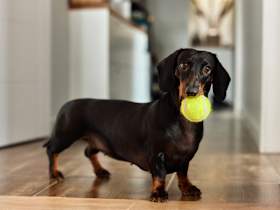
Are Dachshunds the worst breed ever? No — but they get a bad rap. There’s a lot of charm behind those quirks. Learn why they might just be the best breed ever.

Breed Info
From Pugs to French Bulldogs, squishy-face dogs are pretty hard to resist. Here is your guide to these loving, adorable breeds.

Breed Info
Want a dog who sticks to you like glue? We’ve got just the breeds for you. Below, our shortlist of some of the most adoring canine breeds.
Shelters & Rescue
If you’re in search of a pup with a big personality in an adorably small package, you’ve come to the right place.
Behavior & Training
Make your pup a potty pro with these house training tips.
Shelters & Rescue
Debunk a few animal shelter myths and learn the benefits of adopting from a shelter or rescue group.

Adoption Advice
If you’re 60-plus and thinking about adding a dog to your life, this program might be exactly what you’ve been waiting for.